Field Notes
Traveling Vietnam With a Camera: Everything I Wish I'd Known
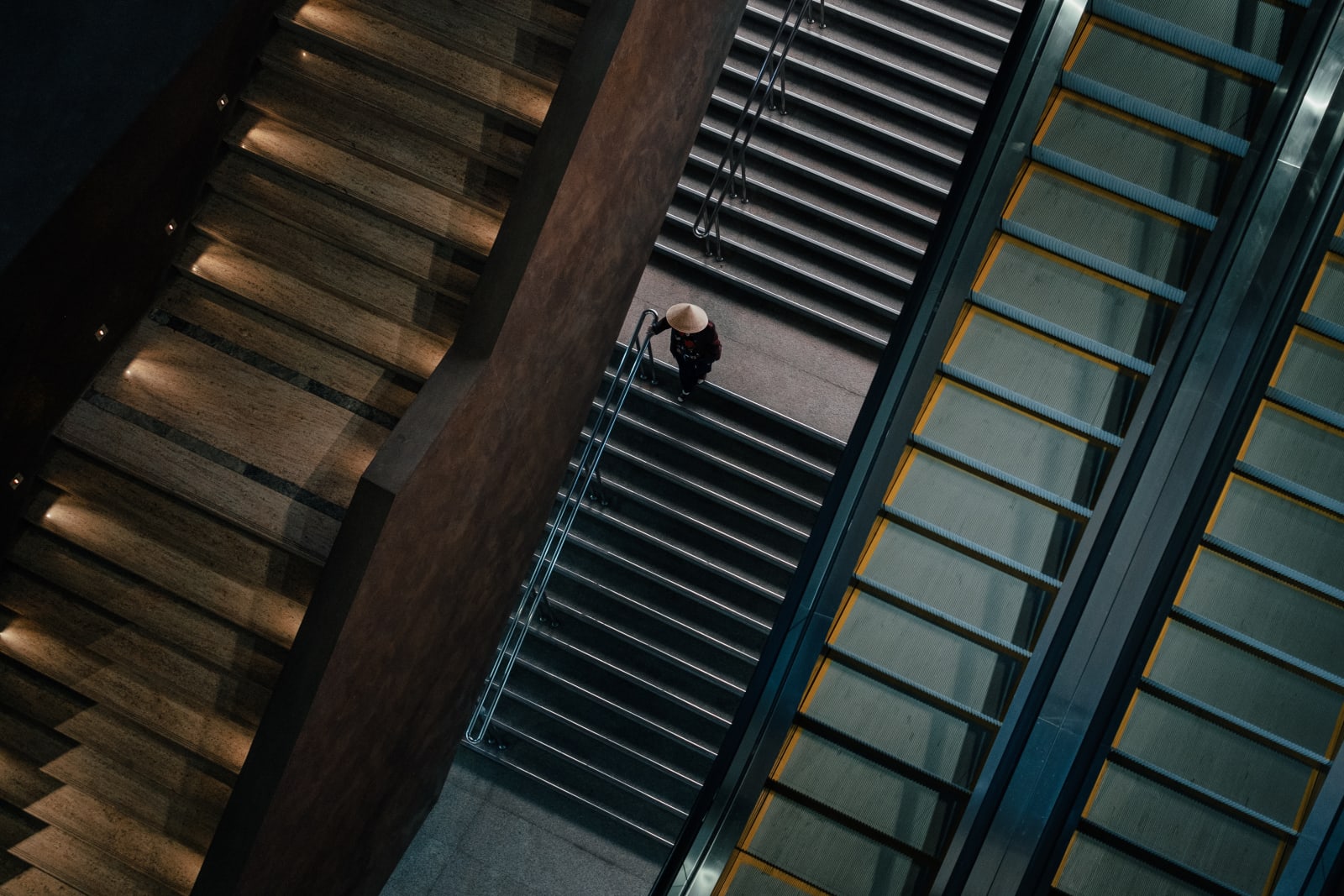
Photo by Jack Ross (@jackjross)
The first time I landed in Hanoi with two camera bodies and a rolling suitcase, I made every mistake you can make as a photographer traveling Vietnam. I fogged a lens walking out of an air-conditioned cafe. I lost a memory card to humidity. I dragged that rolling case through alleys so narrow that motorbikes had to wait for me to pass. Five years and many return trips later — Hanoi down to Ho Chi Minh City and back — I know what I would tell my past self. That is what this guide is for.
Vietnam gives a camera more to work with than most places. The light is dramatic, the street life is relentless, and there is a frame waiting around every corner. But traveling here with camera gear requires a different kind of preparation than most photography destinations. The climate is extreme, the logistics are specific, and the cultural considerations are real. This is everything I wish someone had told me before that first trip.
The Gear Question
Here is the most important thing I can tell you about packing for Vietnam: you will walk 15,000 to 25,000 steps a day in temperatures that regularly exceed 35°C (95°F). Every gram matters. Every extra lens you bring is a lens you will leave in the hotel room after day two.
My travel kit has shrunk every year. Today it is a Fujifilm X-Pro3, a Fujinon XF 18mm f/1.4, and a Voigtlander Nokton 35mm f/1.2. That is it. Two lenses, one body, in a sling bag that sits against my back. I can shoot all day without fatigue, duck into a motorbike taxi without rearranging, and never worry about drawing attention in a market.
If you are coming from a DSLR system, seriously consider renting or buying a compact mirrorless for this trip. The size and weight difference is not marginal — it is the difference between shooting for two hours and shooting for eight. Fujifilm, Sony, and Nikon all make excellent travel bodies. What matters is that it is small, weather-resistant, and paired with a fast prime lens.
Vietnam's humidity runs 80-95% year-round. When you walk from air conditioning (20°C / 68°F) to the street (35°C / 95°F), your lens will fog instantly. Give it 5-10 minutes to acclimatize before shooting. Some photographers keep their camera in their bag when exiting AC to slow the temperature transition.
Batteries deserve special attention. Heat murders battery life — expect 30-40% less capacity than you get at home. I carry three batteries for a full day and rotate them. A small USB power bank can charge most mirrorless batteries via the camera body overnight.
Before You Land
Vietnam's entry requirements changed significantly in 2026. The e-visa system now covers all nationalities, allows stays up to 90 days, and supports multiple entries. But the biggest change is the mandatory digital pre-arrival form that took effect in April 2026.
- E-visa approved at evisa.xuatnhapcanh.gov.vn (apply 5+ days ahead)
- Digital pre-arrival form completed at prearrival.immigration.gov.vn (within 72 hours of arrival)
- QR code saved to phone — airlines deny boarding without it
- Passport valid for 6+ months with proof of onward travel
- Travel insurance with camera gear coverage (document serial numbers)
- Cloud backup configured (Google Photos or Lightroom CC)
- VPN installed and tested (ExpressVPN or similar)
- Grab and Xanh SM apps installed with payment method added
- Offline maps downloaded (Maps.me for rural, Google Maps for cities)
That pre-arrival form is the one that catches people. You must complete it within 72 hours of your flight, and the QR code it generates is now checked at airline check-in counters. Do not leave this until the airport — do it the night before from your hotel Wi-Fi.
"The pre-arrival form catches more photographers off guard than customs ever did. Complete it the night before, not at the airport gate."
Apps That Actually Matter
You do not need twenty apps. You need five, and you need them configured before you land.
Grab is non-negotiable. It is your taxi, your motorbike ride, your food delivery, and occasionally your package courier. Set it up with a card or cash payment before arrival. The motorbike option (GrabBike) is how you will get to most shooting locations — faster than a car in traffic and cheap enough to take five times a day.
Xanh SM is the newer electric alternative by VinGroup. Slightly cheaper, all-electric fleet, growing fast. Worth having as a backup and for longer rides where the quiet electric car is more comfortable.
Maps.me is your offline backup. Cell coverage in rural Vietnam (Sa Pa highlands, Mekong Delta side roads, Central Highland villages) can disappear completely. Download the full Vietnam map before you leave home. I have navigated to remote coffee plantations and ethnic minority markets entirely on Maps.me when Google Maps showed nothing.
Google Translate with the Vietnamese offline pack. The camera translation feature works surprisingly well for menus and signs. Download the offline pack so it works without signal.
A VPN — not technically an app you use daily, but essential. Some photography sites, cloud services, and social platforms have intermittent access issues in Vietnam. A VPN solves this instantly and keeps your hotel Wi-Fi uploads secure.
Get a Vietnamese SIM card at the airport. Viettel has the best nationwide coverage (critical for rural photography trips). Costs 150,000-250,000 VND ($6-10 USD) for 30 days of data. They register it to your passport on the spot — takes 5 minutes.
Getting Around With Gear
Vietnam's internal transport is excellent once you understand it. For photographers, the key considerations are: how do I keep my gear safe, and how do I get to the places worth shooting?
Motorbike taxis (GrabBike/Xanh SM Bike) are your primary tool. They are fast, they navigate traffic that would stall a car for an hour, and they cost roughly 15,000-30,000 VND ($0.60-1.20) for most trips within a city. Wear your camera bag on your front or secure it in a sling across your body. Never have your camera dangling from your neck on a motorbike.
Overnight buses and trains connect the major cities. The Reunification Express train (Saigon to Hanoi, or any segment) is photographically interesting in itself. Sleeper buses are cheap and efficient but less comfortable with bulky gear. For either, keep your camera bag as your pillow — literally.
Domestic flights are cheap (VietJet, Bamboo Airways) and connect all major cities in 1-2 hours. For getting from Saigon to Hanoi or Da Nang quickly, they are unbeatable. Pack camera gear in carry-on only — never check it.
Protecting Your Gear
Vietnam's climate is actively hostile to camera equipment. This is not an exaggeration — I have seen fungus grow on a lens left in a closet for two weeks during rainy season. Here is what works:
- Silica gel packets in every camera bag compartment (replace weekly)
- Microfiber cloths (3-4 minimum) — one is always damp
- Rain cover or plastic bag for sudden downpours
- Dry cabinet or airtight container at your accommodation for overnight storage
- Lens pen for quick cleaning between AC transitions
- Extra memory cards stored separately from camera (theft/loss protection)
The humidity issue is real and constant. When you walk from an air-conditioned space to the street, moisture condenses instantly on cold glass. Your lens looks like it is underwater. You have two options: wait 5-10 minutes for it to clear, or keep your camera in your bag (insulated from the AC cold) so the transition is less dramatic. I use the bag method — it means I am ready to shoot within a minute of walking outside.
Back up your photos every single night. Use cloud sync over hotel Wi-Fi, or carry a portable SSD and duplicate your cards. I have had a memory card fail in Vietnam (humidity got into the contacts). The only thing that saved those images was that I had synced them to Lightroom CC the night before.
Cultural Considerations
Vietnam is one of the most photography-friendly countries I have ever worked in. People are genuinely curious about cameras, children will run toward you wanting their photo taken, and market vendors will often wave you in closer. But there are boundaries worth knowing.
Ask before shooting portraits. A smile and a gesture toward your camera is usually enough. Most people say yes. If someone waves you off or looks uncomfortable, move on immediately. In my experience, about 9 out of 10 people are happy to be photographed — but that one refusal must be respected instantly.
Temples and pagodas are generally fine to photograph from outside, but ask before shooting inside. Some ceremonies are private. Remove shoes, dress modestly (shoulders and knees covered), and never photograph people praying without explicit permission.
Military installations, police stations, and government buildings are off-limits. This is non-negotiable. Do not point your camera at anything with a soldier standing outside it.
Show people their photos. This is the single best tip for street photography in Vietnam. Turn your camera screen toward the person you just photographed and show them. The reaction is almost always delighted laughter, and it often opens doors to more authentic moments — invitations inside, introductions to family members, a shared coffee.
The Best Times to Shoot
Vietnam rewards early risers more than almost any country I know. The window between 5:30 AM and 7:30 AM is when the country comes alive — markets open, tai chi practitioners fill the parks, noodle vendors set up their sidewalk stalls, and the light is soft gold cutting through steam and smoke.
By 10 AM, the heat becomes punishing and the light goes flat. Most working photographers I know take a break from 10 to 3, then shoot again from 4 PM until dark. The hour after sunset in Vietnamese cities is a different city — neon signs flicker on, street food stalls light up their grills, and the entire color palette shifts from warm earth tones to electric blues and reds.
Rainy season (May through October in the south, September through January in the north) is not a reason to skip Vietnam. It brings drama — sudden downpours that clear in 20 minutes, reflective streets, people sheltering under awnings in beautiful clusters. Some of my best work has come from monsoon afternoons.
Money and Logistics
Vietnam runs on cash more than you might expect. While Grab and major restaurants take cards, street food vendors, market stalls, and small cafes are cash-only. ATMs are everywhere and dispense Vietnamese Dong (VND). Withdraw in larger amounts to minimize fees — most ATMs charge 22,000-55,000 VND per transaction regardless of amount.
The exchange rate is roughly 25,000 VND to 1 USD. A quick trick: drop four zeros and divide by 2.5. So 100,000 VND is about $4, and 500,000 VND is about $20. Street food meals run 30,000-60,000 VND ($1.20-2.40), a GrabBike ride across town is 20,000-40,000 VND ($0.80-1.60), and a nice coffee is 35,000-50,000 VND ($1.40-2.00).
Vietnamese coffee shops are your office, your air-conditioned refuge, and your charging station. The coffee culture here is deep-rooted, and most cafes have outlets, strong Wi-Fi, and zero pressure to leave. Use them for midday breaks, backup uploads, and planning your afternoon shoot.
What I Would Pack Today
If I were landing in Vietnam for a two-week photography trip tomorrow, here is exactly what would be in my bag:
- Mirrorless body (I use a Fujifilm X-Pro3 — compact, understated, weather-sealed)
- Fujinon XF 18mm f/1.4 (27mm equiv — wide enough for alleys, fast enough for night)
- Voigtlander Nokton 35mm f/1.2 (53mm equiv — portraits, compression in narrow streets)
- 3 batteries + USB charger
- 4 memory cards (64GB each — never put all eggs in one basket)
- Sling bag (Peak Design Everyday Sling 6L or similar)
- Portable SSD for nightly backups
- Silica gel packets (bulk pack of 20)
- Microfiber cloths (4)
- Compact rain cover
- Lens pen
- USB power bank (20,000mAh — charges camera + phone)
That is it. No tripod (you will not use it on the streets), no flash (natural light is better here anyway), no laptop (your phone handles backup and basic editing). Travel light, move fast, shoot all day. That is the Vietnam way.
The country will surprise you. It surprised me enough that I built a community around it. But whether you are coming for two weeks or two years, the preparation is the same: pack light, protect your gear from the humidity, wake up early, and show people their photos. Everything else, you will figure out on the streets.
Vietnam Streets is a curated community documenting Vietnamese street life. Submit your work — selected photographs join the 840+ already published here from 170+ photographers.
Submit Your Work →Frequently asked questions
What camera gear should I bring to Vietnam?
Pack light. A compact mirrorless body and one or two prime lenses is enough. Vietnam's heat and 15,000-25,000 daily steps make every gram count, and you'll leave anything heavier in the hotel by day two. Avoid DSLRs, tripods, and flashes — they're rarely useful on the streets. Fujifilm, Sony, and Nikon all make excellent compact mirrorless travel bodies.
When is the best time of day to shoot in Vietnam?
5:30 AM to 7:30 AM is the golden window — markets open, parks fill with tai chi practitioners, and soft gold light cuts through morning steam. From 4 PM to dark, neon signs flicker on and street food stalls light up. Avoid 10 AM to 3 PM when light goes flat and heat becomes punishing.
Do I need a visa to travel to Vietnam?
Yes. Apply for an e-visa at evisa.xuatnhapcanh.gov.vn at least 5 days before travel. Vietnam's e-visa allows stays up to 90 days for all nationalities and supports multiple entries. Since April 2026, a digital pre-arrival form at prearrival.immigration.gov.vn is also mandatory and must be completed within 72 hours of your flight — airlines deny boarding without the QR code it generates.
What apps do I need for a photography trip to Vietnam?
Five apps, configured before you land: Grab (taxis and motorbike rides), Xanh SM (electric backup), Maps.me (offline maps for rural areas), Google Translate with the Vietnamese offline pack, and a VPN for hotel Wi-Fi security and intermittent service blocks.
How do I protect camera gear from Vietnam's humidity?
Carry silica gel packets in every camera bag compartment and replace them weekly. When moving from air conditioning into outdoor heat, keep the camera in your bag for 5-10 minutes to slow the temperature transition and prevent lens fogging. Store gear in a dry cabinet or airtight container overnight, and back up images every night via cloud sync or a portable SSD.
Is it OK to photograph people on the street in Vietnam?
Generally yes — Vietnam is an easy country to photograph people in. Ask before shooting portraits with a smile and a gesture toward your camera; about 9 out of 10 people will say yes. Always respect a refusal instantly. Show people their photo on your screen afterward — the reaction is almost always delighted laughter and often opens doors to more authentic moments. Never photograph military installations, police stations, or government buildings.
One photographer an issue. Free, and no spam.
No spam. Unsubscribe at any time.