Community gear guide
Best Cameras & Gear for Vietnam Street Photography
Three bags, built from what photographers here shoot with every week — not a sponsored pick among them. Take one as it is, or scroll for the full hundred.
Some links on this page are affiliate links. If you purchase through them, Vietnam Streets earns a small commission at no extra cost to you. We only recommend gear we'd actually use, and all recommendations are made independently.
The Fuji Street Kit
5 items · about ~$2,030The Pro Kit
7 items · about ~$3,140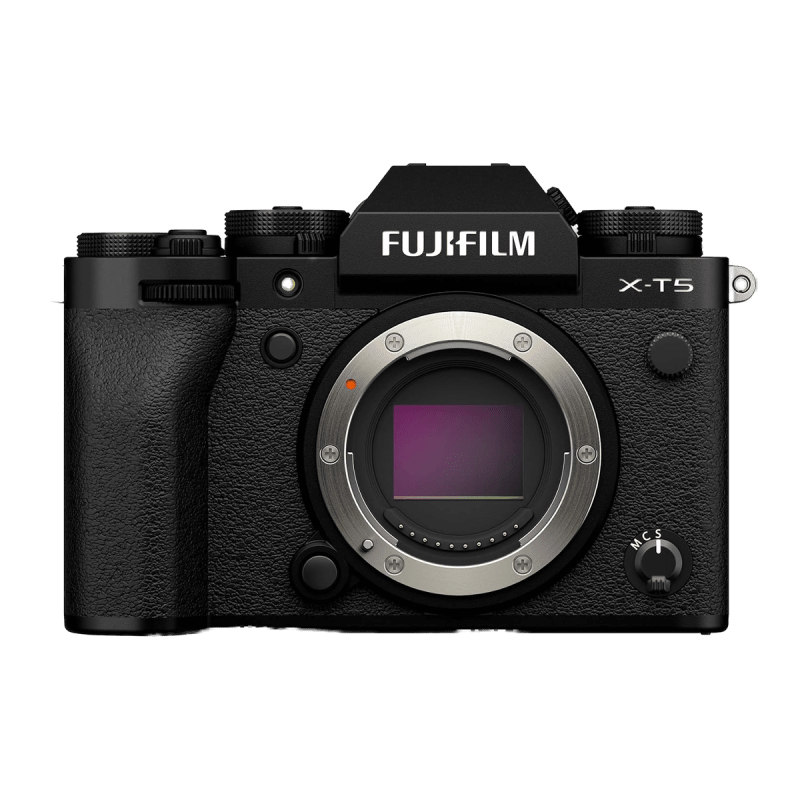 FujifilmFujifilm X-T5From ~$1,999
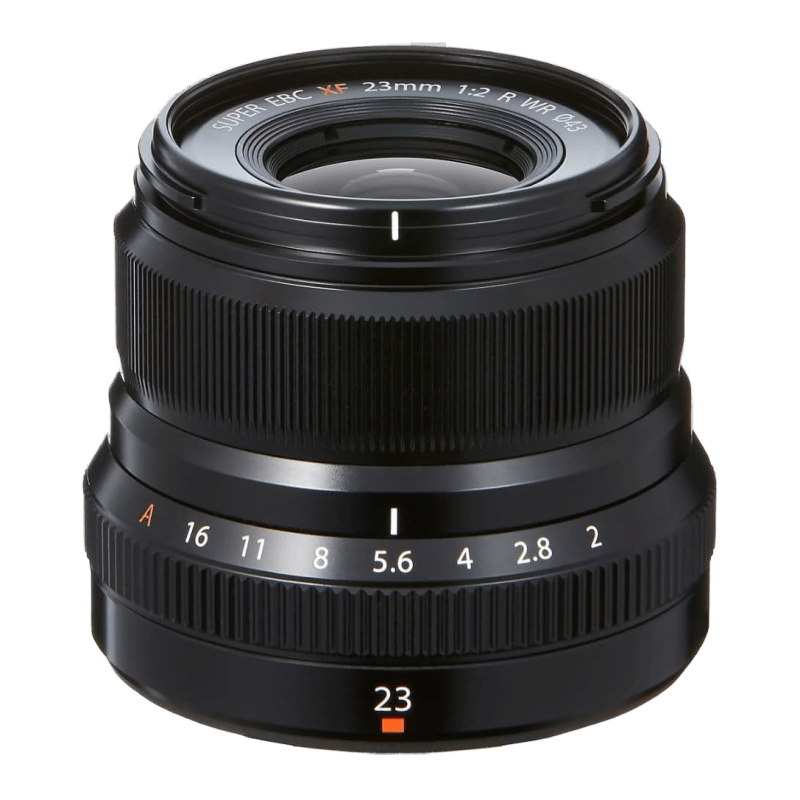 FujifilmFujifilm XF 23mm f/2 R WRFrom ~$449
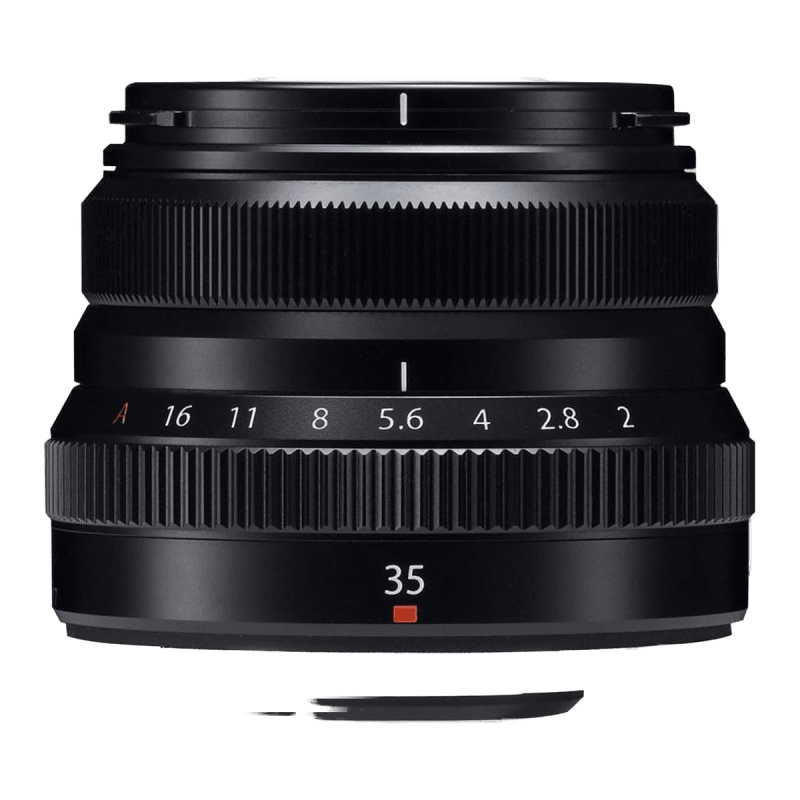 FujifilmFujifilm XF 35mm f/2 R WRFrom ~$399
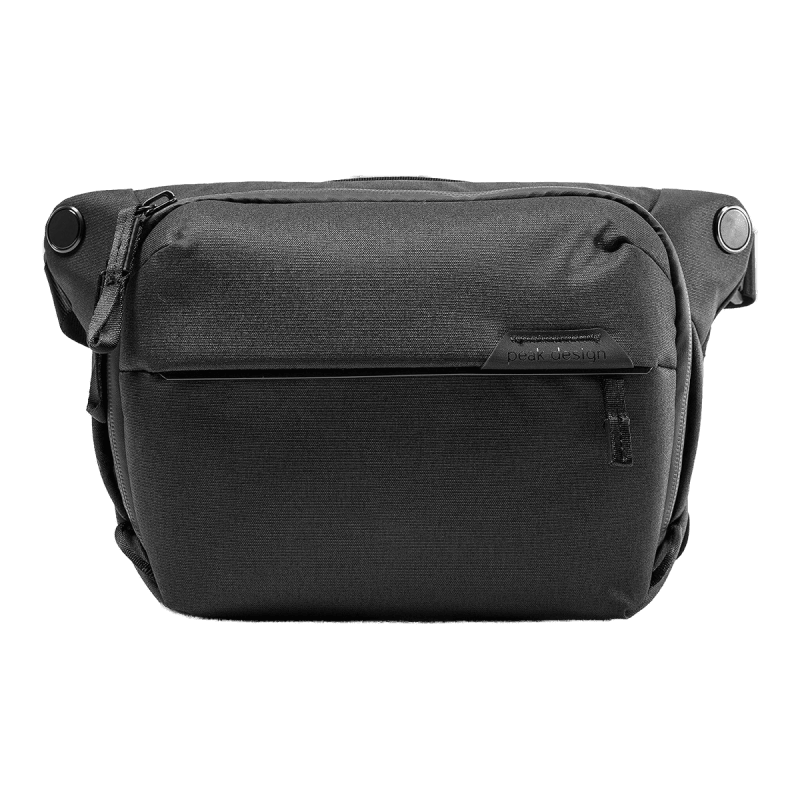 Peak DesignPeak Design Everyday Sling 6LFrom ~$99
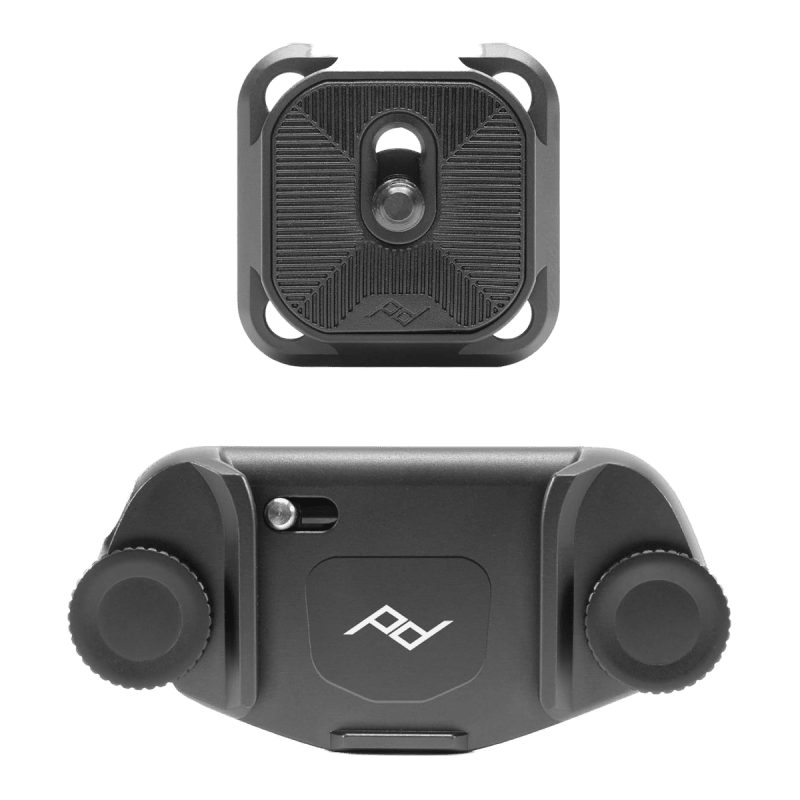 Peak DesignPeak Design Capture Clip V3From ~$79
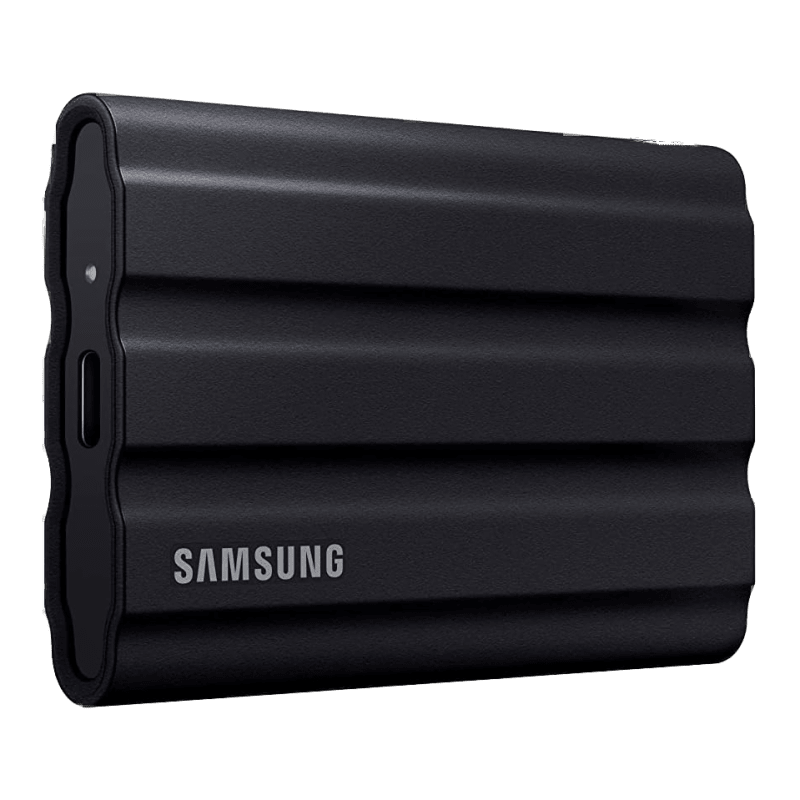 SamsungSamsung T7 Shield 1TBFrom ~$89
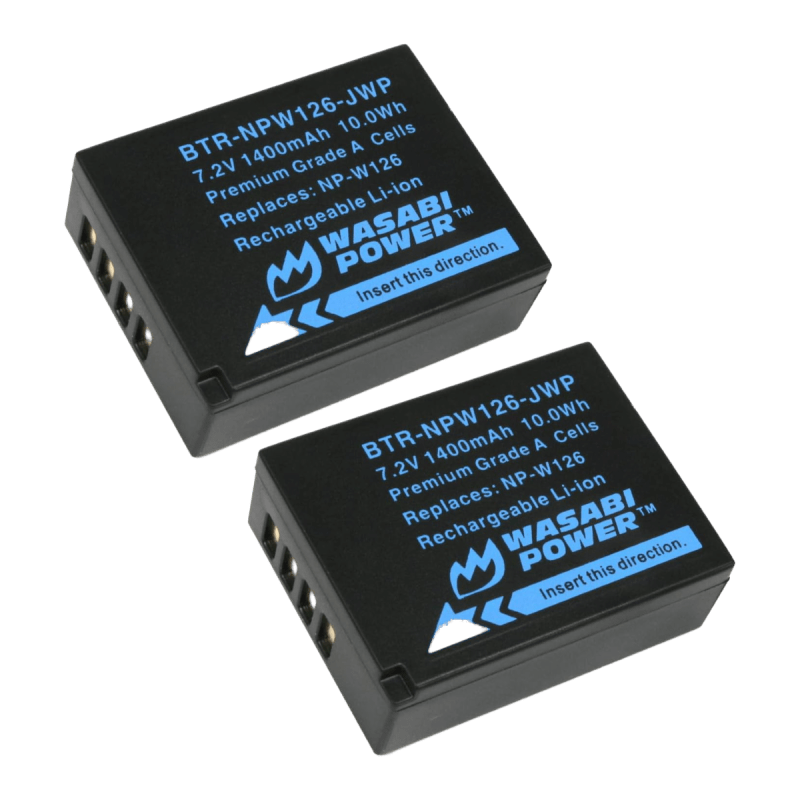 Wasabi PowerWasabi Power NP-W126S Battery 2-PackFrom ~$29
 Affiliate partner
Handmade in Miami. 10% off Owl Krown, through our links.
Climbing-rope and full-grain leather straps that survive our humidity. The discount applies itself at checkout when you arrive from here — no code. Eligible products; new releases and limited editions may be excluded.
See the Owl Krown collectionVietnam's streets demand gear that's small enough to disappear, rugged enough to survive a monsoon, and quiet enough to go unnoticed in a pagoda. This guide reflects what community photographers actually carry — not what manufacturers want us to promote.
Fujifilm dominates our gear bags for the film simulations, silent shutter, and compact bodies. But the Ricoh GR series disappears into a shirt pocket, and the Sony ZV-E10 II makes serious image quality accessible. Updated when gear earns a genuine recommendation.
What earns a recommendation
CompactLess attention on the street
Weather sealedMonsoon-ready
Silent shutterTemples & markets
Fast AFTraffic moves fast
High ISODark alleys after rain
Battery lifeHeat drains fast
Carried this month
Ranked by what readers clicked through to in the last 30 days, bots removed.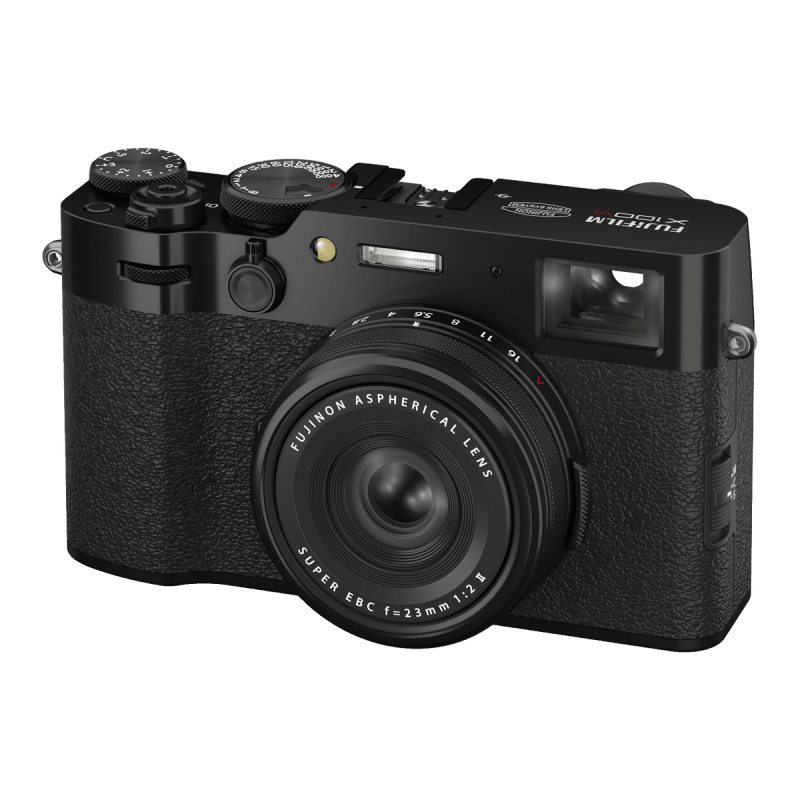
1 · Fujifilm
Fujifilm X100VI
Fixed 35mm equivalent, film simulations that produce finished images straight from camera, and a silent electronic shutter that makes it gen
2 · Peak Design
Peak Design Everyday Sling 6L
One-shoulder access, weather sealed, holds a mirrorless body plus two lenses plus a day's worth of essentials.
3 · Owl Krown
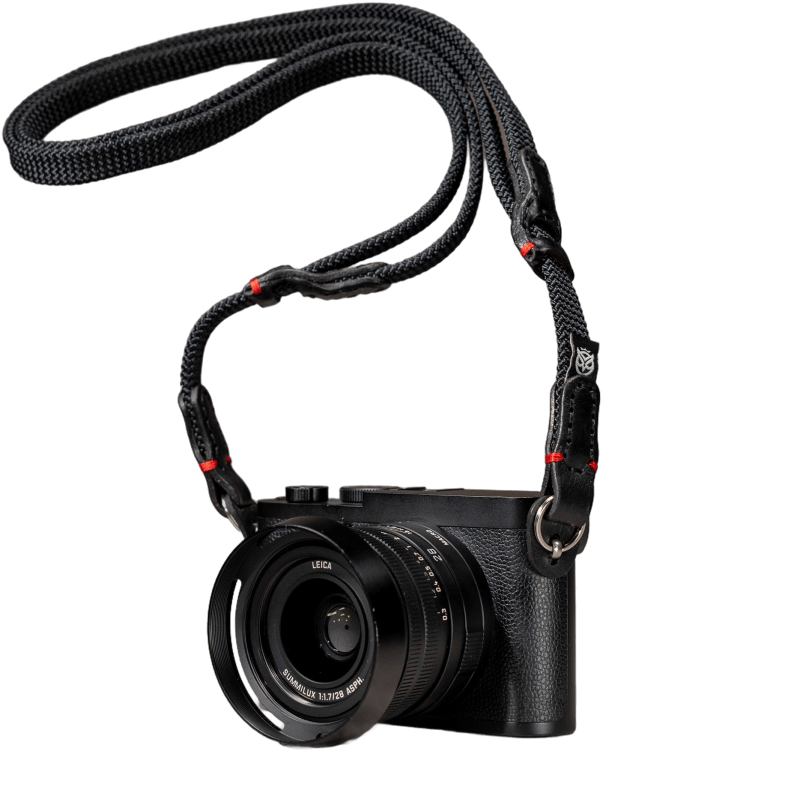
Owl Krown TrailFlex Adjustable Strap
The adjuster is what makes this the strap the community keeps recommending: long and cross-body on a motorbike or a crowded pavement, short
4 · Ricoh
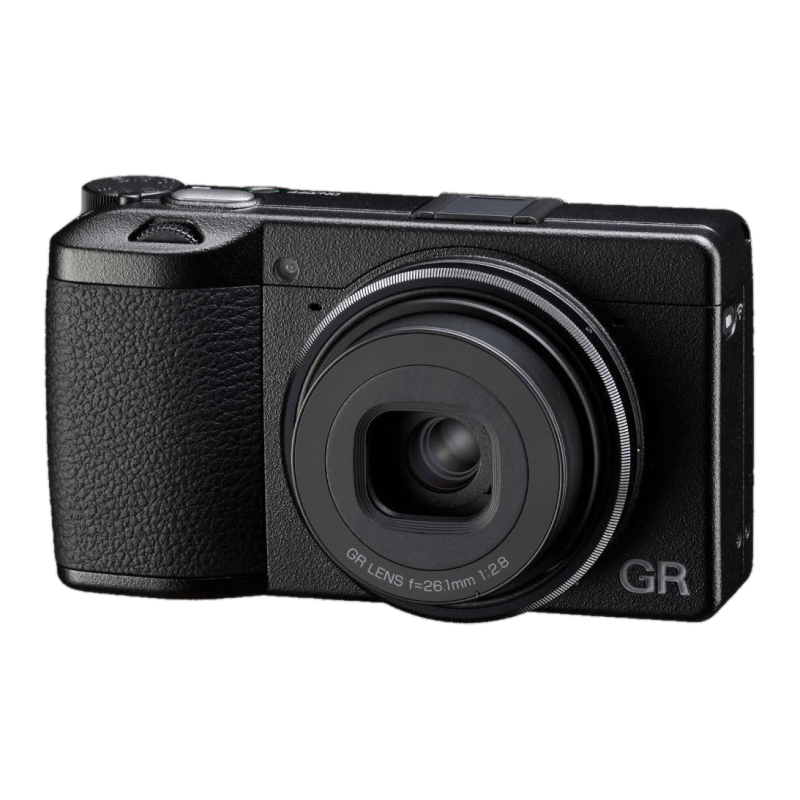
Ricoh GR IIIx HDF
40mm equivalent in a genuine shirt pocket.
5 · Wisedry
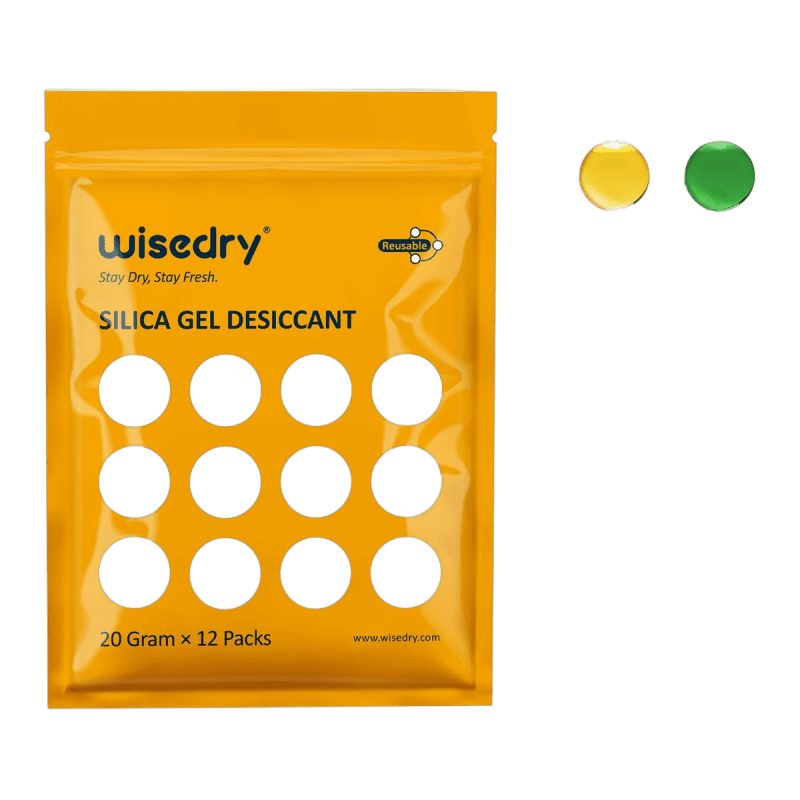
Wisedry Silica Gel Packets 12-Pack
Rechargeable desiccant packets that absorb moisture inside your camera bag or dry box.
Which camera should I buy?
Ten situations, one answer each. Every answer is on this page.
6 more situations
Cameras
Street photography rewards compact, quiet, and discreet. Chosen for how they perform in Vietnam's conditions.
 Action
DJI
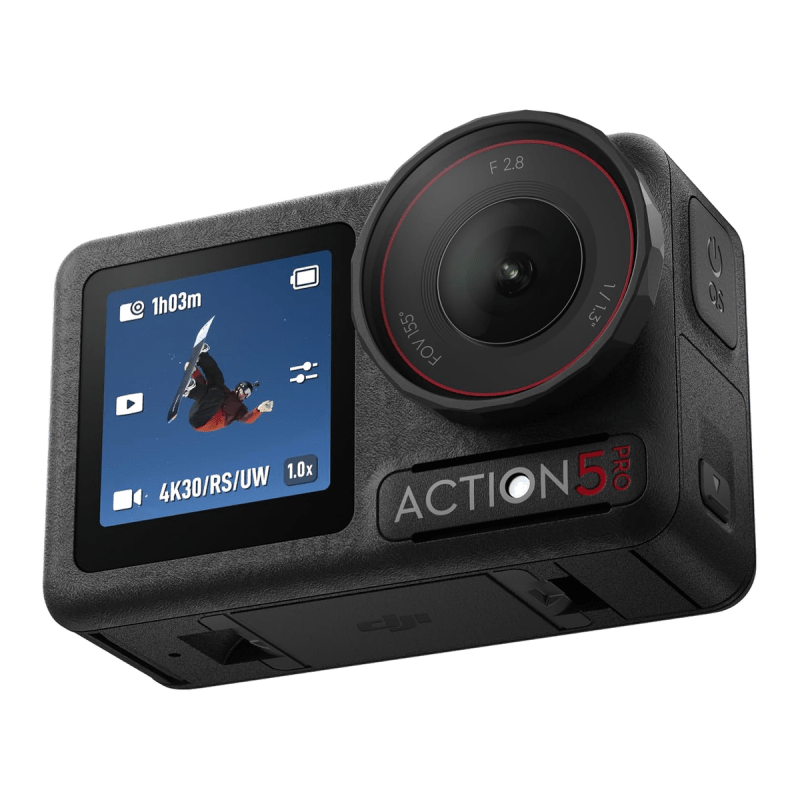
DJI Osmo Action 5 Pro
1/1.3″ sensor with 4K/120fps and electronic stabilisation that smooths out motorbike rides and walking shots. Waterproof to 20m without a case — perfect for monsoon season. Mount it on a helmet, chest harness, or handlebar to capture the raw energy of Vietnam's streets from a first-person perspective. Dual touchscreens make framing easy on the move.
Checked Monday
 Compact & Hybrid
Fujifilm
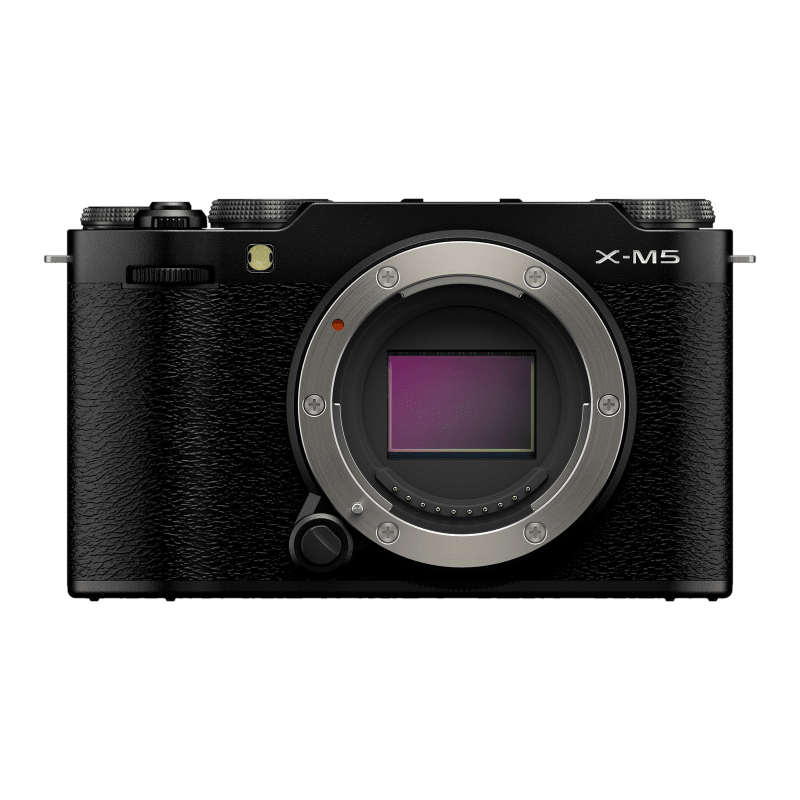
Fujifilm X-M5
The smallest interchangeable-lens Fujifilm body, with the full film simulation library, a modern sensor, and excellent 6.2K video. Lighter than the X-T5 and less conspicuous on the street. A strong choice for photographers who want the Fuji colour science and lens ecosystem without the extra bulk — and for anyone who shoots video alongside stills on their Vietnam trip.
Checked Monday
High ResolutionFujifilm
Fujifilm X-T5
40MP APS-C sensor with interchangeable lenses — the most flexible Fujifilm body for serious work. Weather resistant, excellent ibis, and the full Fujifilm film simulation library. Pairs perfectly with the XF 23mm f/2 for an all-day street setup. Bigger than the X100VI but more versatile for photographers who shoot more than street.
Checked Monday
Community FavouriteFujifilm
Fujifilm X100VI
Fixed 35mm equivalent, film simulations that produce finished images straight from camera, and a silent electronic shutter that makes it genuinely invisible in a market or temple. The 40MP sensor handles the extreme contrast of Vietnam's midday light better than any previous version. The most recommended camera in the community by a wide margin.
Checked Monday
 Aspirational
Leica
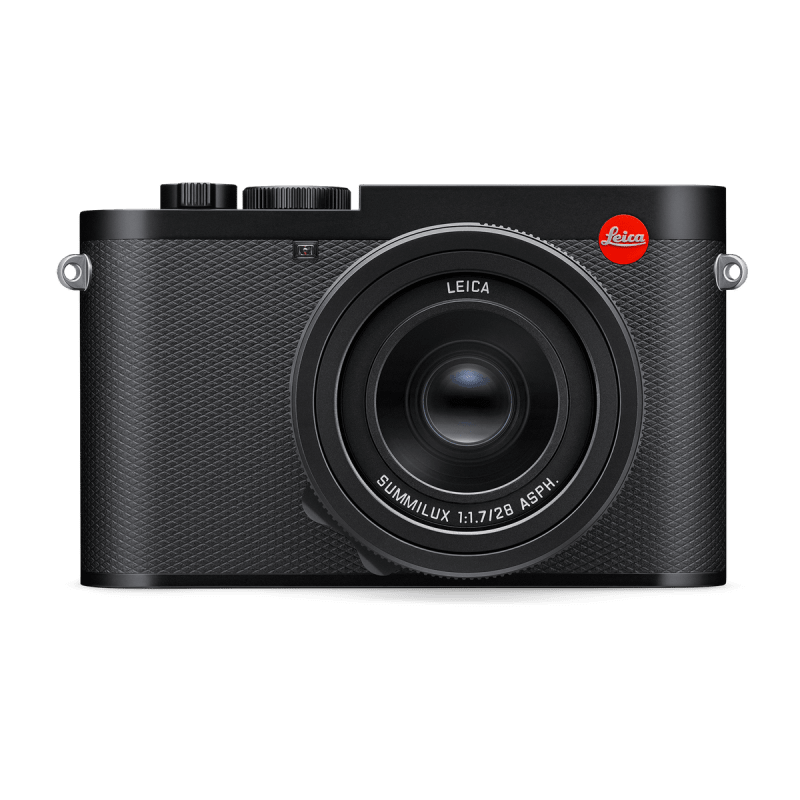
Leica Q3
Full-frame 60MP sensor, fixed 28mm Summilux f/1.7, weather sealed to IP52. Built to survive decades of daily use. The camera you buy once and keep for life. Exceptional in Vietnam's difficult mixed-light conditions — the combination of high resolution and wide aperture handles both bright streets and dark temple interiors. A significant investment that pays off over years.
Checked Monday
PocketableRicoh
Ricoh GR IIIx HDF
40mm equivalent in a genuine shirt pocket. APS-C sensor, snap focus that locks onto a distance zone rather than hunting, and a body so small it stops registering as a camera to bystanders. The HDF edition adds a built-in Highlight Diffusion Filter that softens harsh highlights — perfect for Vietnam's brutal midday sun and neon-lit night markets. The purist's choice. No zoom, no interchangeable lens, no compromise on discretion.
Checked Monday
 Best Value
Sony
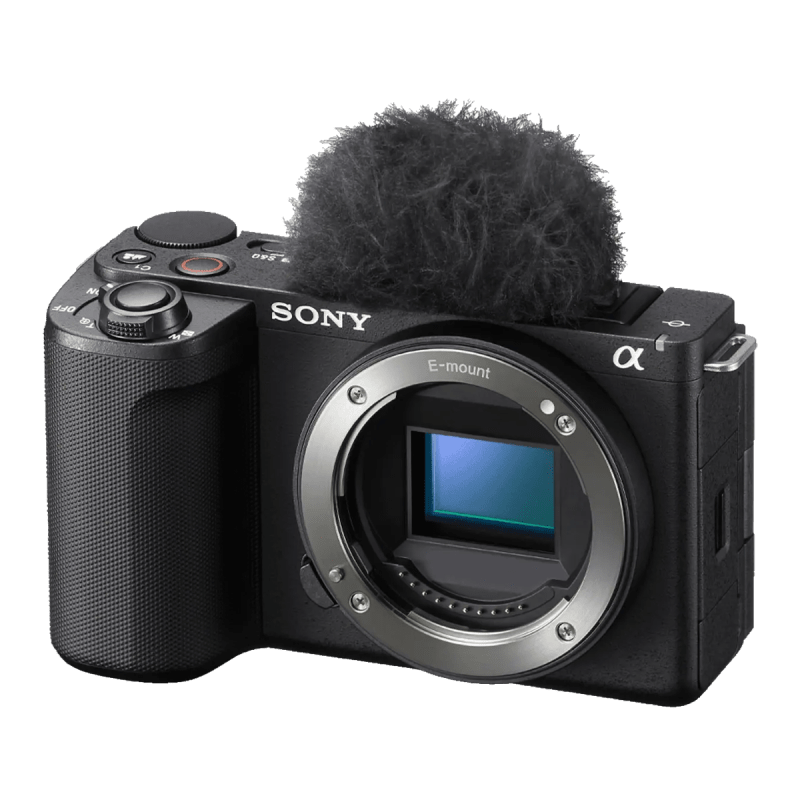
Sony ZV-E10 II
The most accessible camera on this list that still delivers serious image quality. APS-C sensor with Sony's fast autofocus, a compact body, and the full Sony E-mount lens ecosystem for growth. The right starting point for photographers who are committed to improving and want a camera that won't limit them in the next two years.
Checked Monday
 Built-in ND
OM System
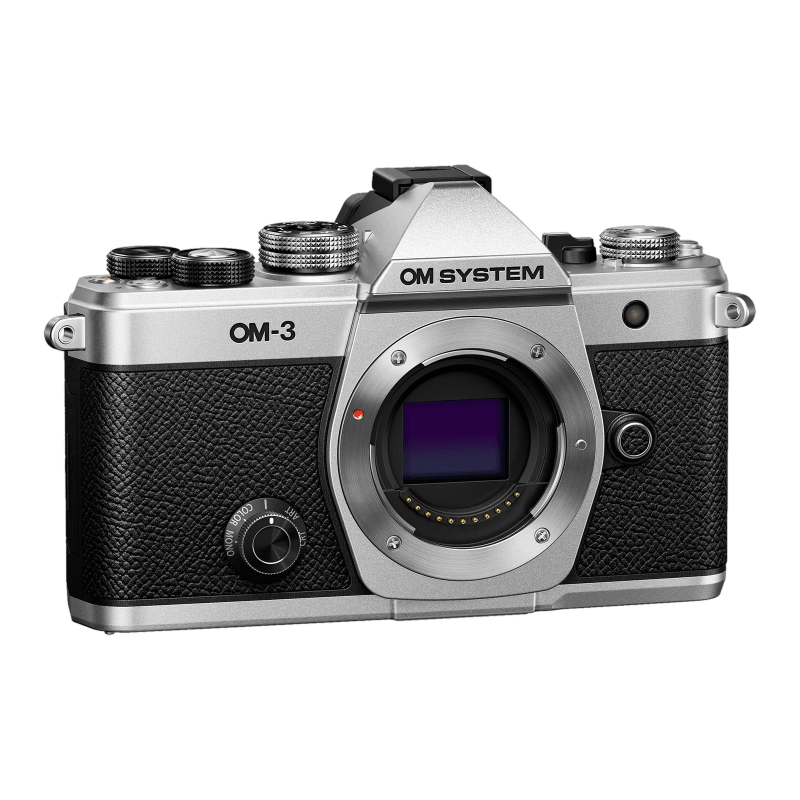
OM System OM-3
Live ND means shooting wide open in brutal midday Saigon sun without screwing filters on and off with sweaty hands. Sealed like a tank, styled like a film camera — locals read it as vintage, not valuable.
Checked Monday
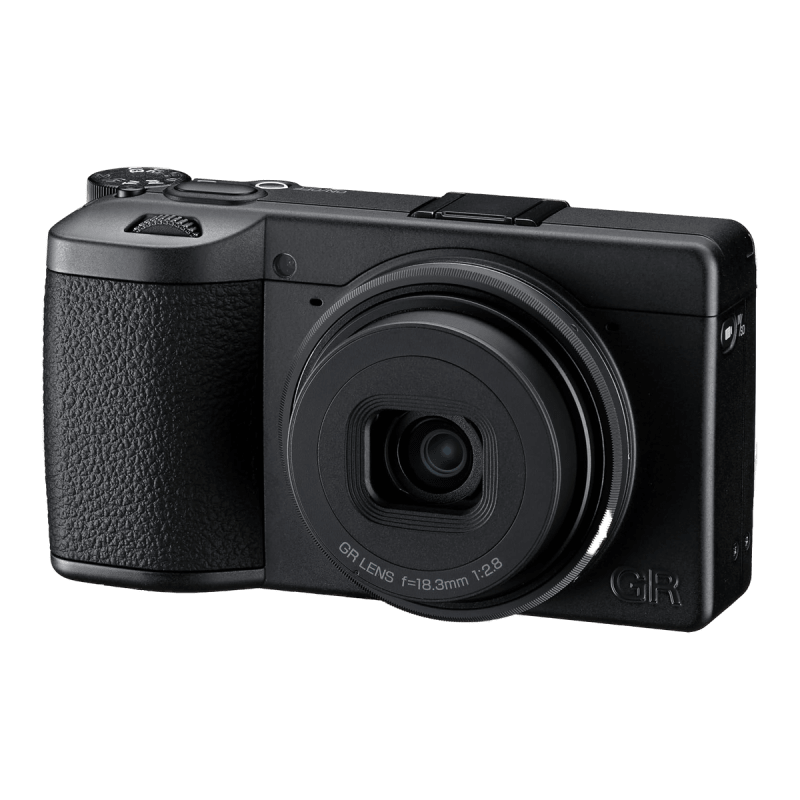 Black & White Only
Ricoh
Ricoh GR IV Monochrome
A monochrome sensor with no colour filter sees the hard light of a Vietnamese noon as tone rather than colour, and the files hold detail in the shadows under an awning that a colour sensor loses. For the photographer who already shoots the GR in black and white and knows it. No colour at all, so it is a second camera here, not a first.
Checked Monday
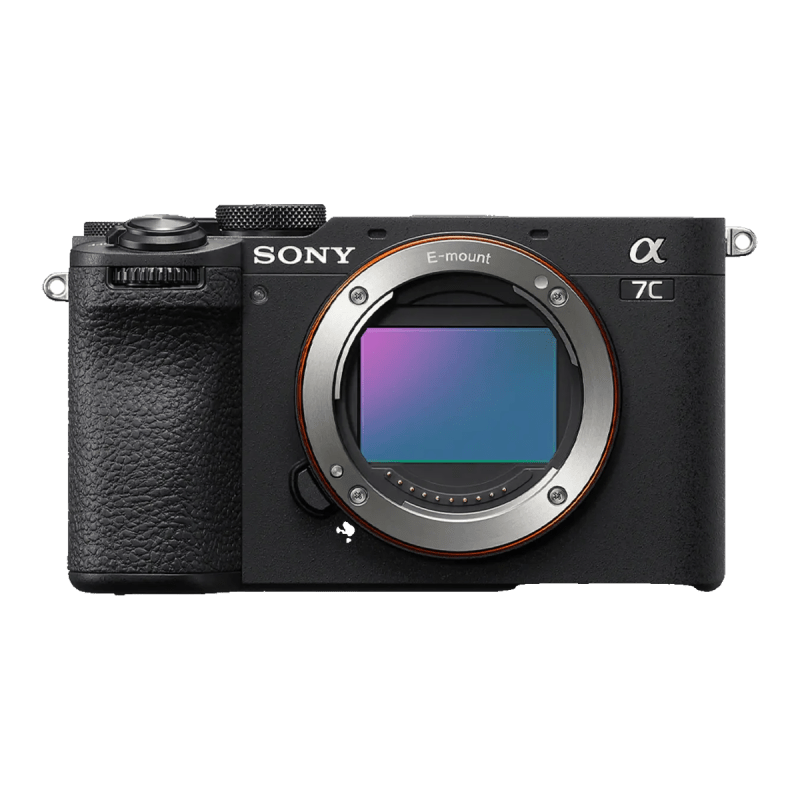 Editors' Pick
Sony
Sony A7C II
Sony's clinical reputation melts away in this form factor. With the sealed 40mm f/2.5 G it's a compact, weather-aware kit that handles Saigon downpours and neon nights — the high-ISO files are the best in this size class.
Checked Monday
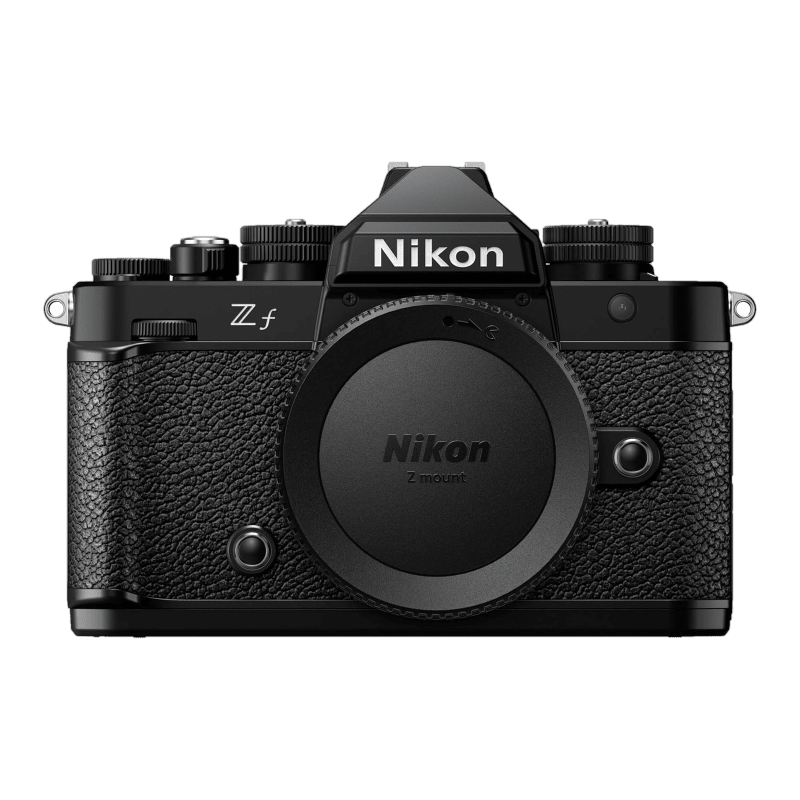 Community Momentum
Nikon
Nikon Zf
A community trip report ran the Zf with the 40mm f/2 through Vietnam and came back a believer — discreet enough for markets, sealed well enough for a drizzle, and the flat body slips under a jacket. Pair it with a wrist strap, not a bag.
Checked Monday
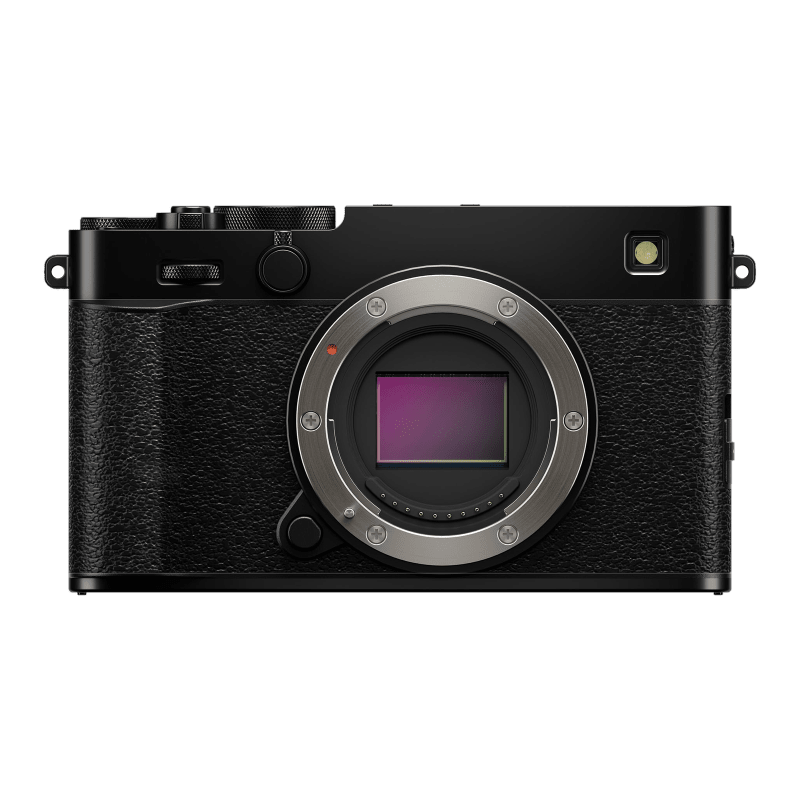 Community Favourite
Fujifilm
Fujifilm X-E5
Lighter than the X-T5, less precious than an X100VI at scalper prices, and it takes the same weather-resistant f/2 primes. The rangefinder shape keeps it low-profile on a motorbike-filled corner.
Checked Monday
 Pocketable
Ricoh
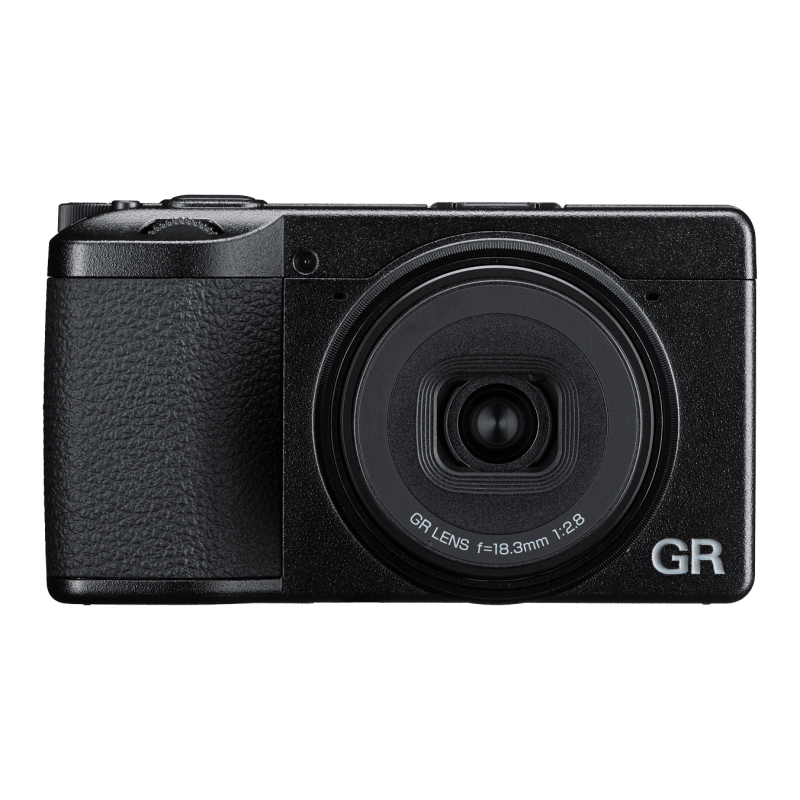
Ricoh GR IV HDF
The Highlight Diffusion Filter softens exactly the thing that ruins Vietnamese street frames: blown highlights from a white wall or a neon sign at night, and the bloom around a bare bulb over a food stall. Everything else is the GR IV: pocketable, silent, invisible in a market. The filter is permanent, so choose it only if that look is the one you want.
Checked Monday
 New
NewRicoh
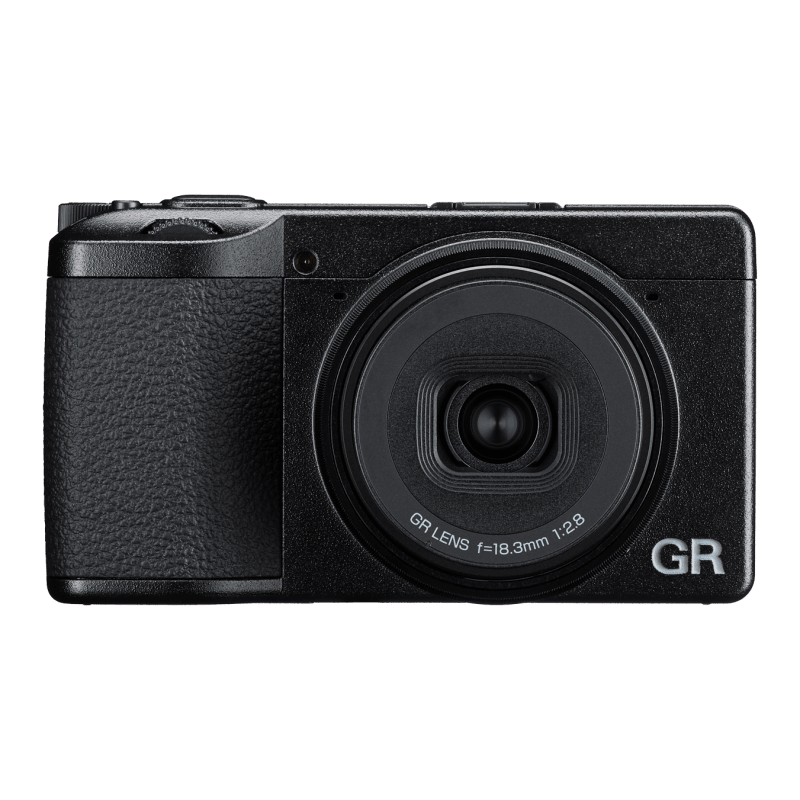
Ricoh GR IV
Out of stock at AmazonThe GR is the most-carried camera in Southeast Asia trip reports, and the least sealed — treat dust as a running cost, keep silica gel in the bag, and don't pocket it sweaty. In return: nobody ever sees you shoot.
Checked Monday
 Retro Style
Fujifilm
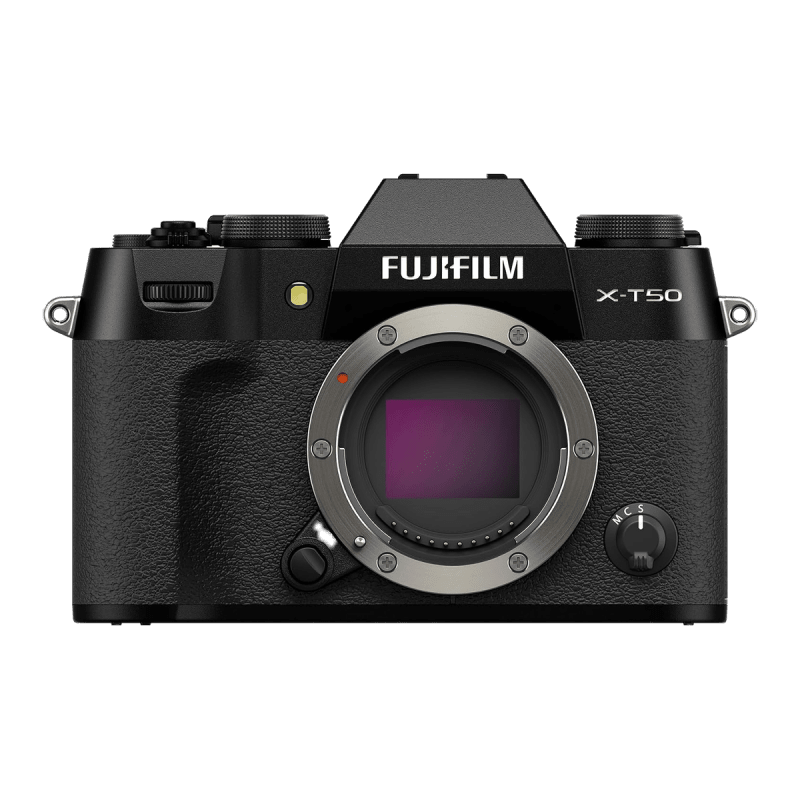
Fujifilm X-T50
The X-T5's sensor in a smaller, lighter body, with the film simulation dial on top so a Classic Chrome frame in a Hanoi alley is one click, not a menu. The weight matters more here than the spec sheet: it is the camera that is still on your shoulder at four in the afternoon. Not weather sealed, so the rainy season wants a cover.
Checked Monday
 Best Value
Canon
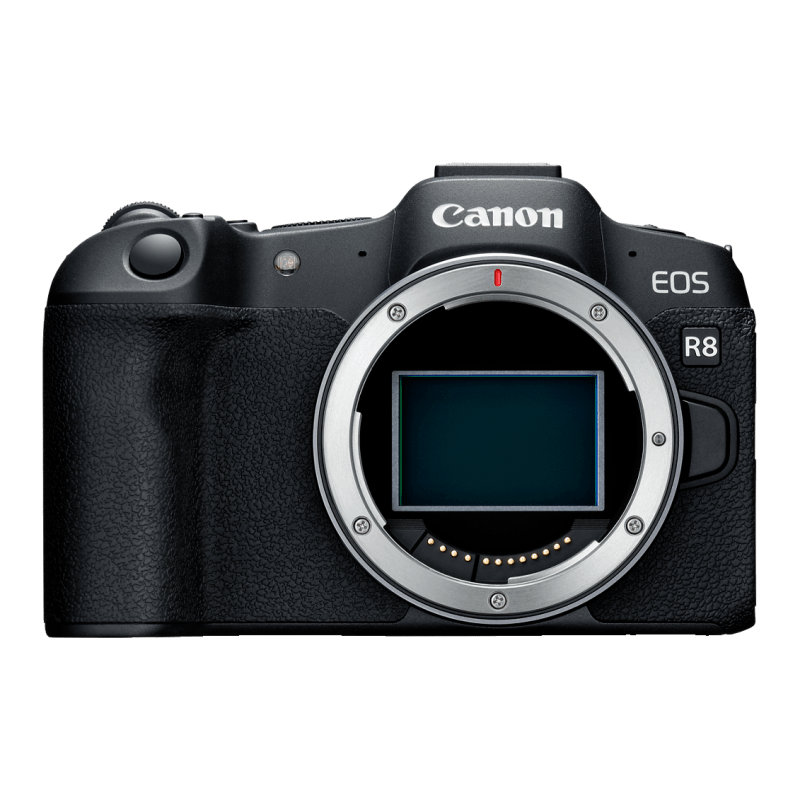
Canon EOS R8
Light enough for a full day on foot in the heat. No IBIS, so lean on the fast shutter speeds Vietnam's bright streets give you anyway.
Checked Monday
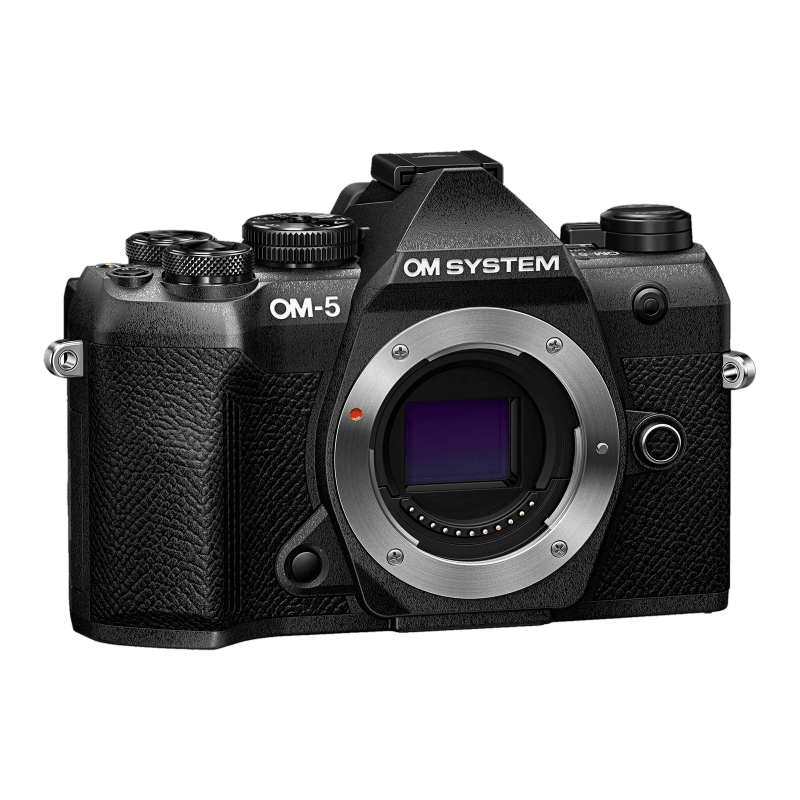 Monsoon Ready
OM System
OM System OM-5 Mark II
Built for exactly this climate. When the rain hits Hoi An in September, OM shooters keep working while everyone else reaches for dry bags. Sensor size gives up some night performance — the trade for total weather confidence.
Checked Monday
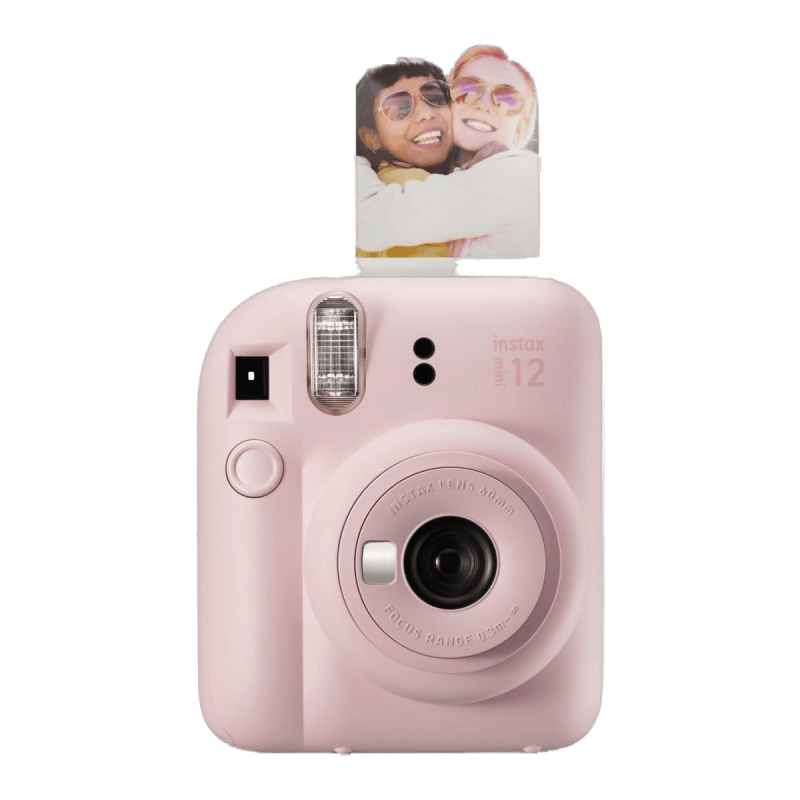
Fujifilm
Fujifilm Instax Mini 12
Hand someone in a market a print of themselves and the whole street changes toward you. Photographers in the community carry one for exactly this: it turns taking a picture into giving one, and it opens doors a Leica never will.
Checked Monday
Books
The four books the photographers on this site keep recommending to each other. Read one before Hanoi, not after.

Thames & Hudson
Magnum Contact Sheets
Out of stock at AmazonEvery photographer who submits to Streets & Stories sends us one frame. This book shows that the frame is the end of a sequence, which is the single thing that most improves a day's shooting on a Vietnamese street.
Checked Monday

Thames & Hudson
Street Photography Now
Alex Webb's Mexico pictures and Trent Parke's Sydney are the closest published references for the light and density of Saigon. If you want to shoot colour here, this is the book to study.
Checked Monday

Laurence King
Bystander: A History of Street Photography
Vietnam's streets are often photographed as spectacle. This book is the antidote: it shows how the great street photographers worked with patience and respect in cities that were not theirs. Read it before Hanoi, not after.
Checked Monday

Thames & Hudson
The Street Photographer's Manual
Out of stock at AmazonThe assignments translate directly to a Vietnamese city. 'Shoot one corner for an hour' is the best advice anyone gives about Hanoi's Old Quarter, and it is in here with pictures that show why.
Checked Monday
Lenses
Street photography lives in the 28–50mm range. These primes are fast, light, and optically excellent.
Community FavouriteFujifilm
Fujifilm XF 23mm f/2 R WR
35mm equivalent on Fuji. Weather resistant, compact, and razor sharp across the frame. The lens that lives on the X-T5 for 90% of street work — wide enough to capture the environment, tight enough to isolate a subject. The f/2 aperture handles the glow of Vietnamese night markets without struggle.
Checked Monday
Portrait-StreetFujifilm
Fujifilm XF 35mm f/2 R WR
50mm equivalent on Fuji — a classic portrait-street length. Slightly tighter than the 23mm; great for pulling subjects out of the visual chaos of Hanoi's Old Quarter or Saigon's Ben Thanh market area. Weather sealed, silent, and small enough to pair with the X-T5 all day without fatigue.
Checked Monday
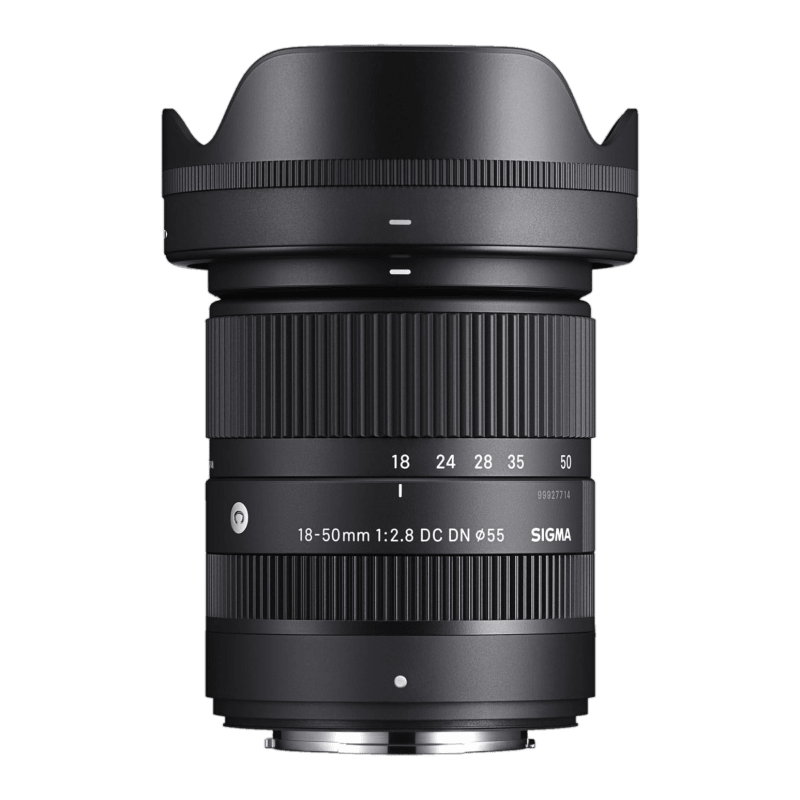 One-Lens Solution
Sigma
Sigma 18-50mm f/2.8 DC DN (Fuji X)
27–75mm equivalent at a constant f/2.8 in a body smaller than most primes. The only zoom on this page, and it earns its spot. If you're travelling Vietnam with one lens, this covers wide street scenes in Hoi An's alleys and tight portraits in Saigon's coffee shops without swapping glass. The versatility of a zoom with the low-light capability of a prime.
Checked Monday
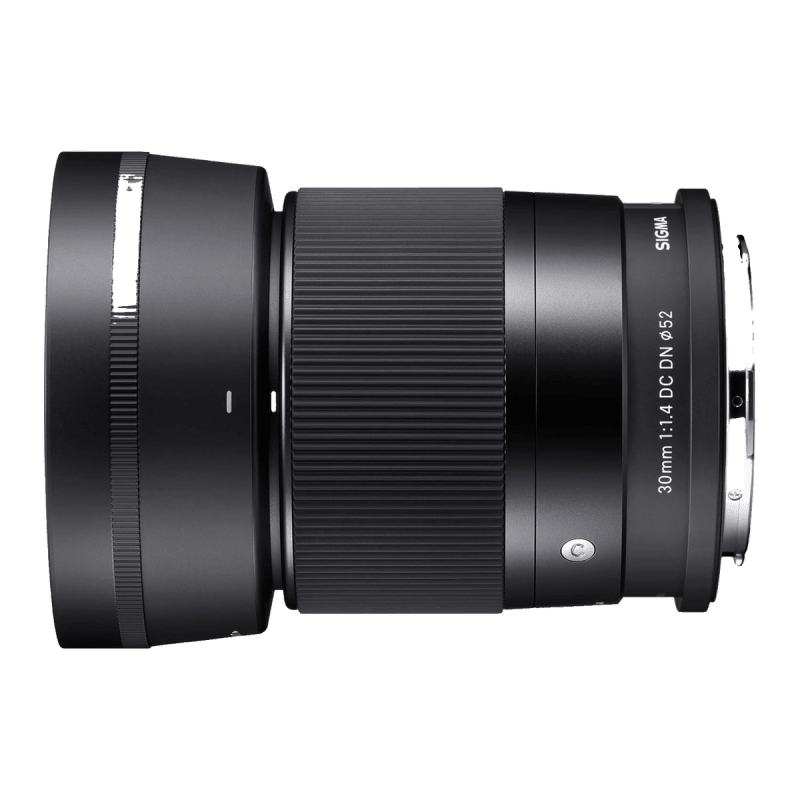 Sony APS-C Essential
Sigma
Sigma 30mm f/1.4 DC DN (Sony E)
45mm equivalent on the ZV-E10 II — the natural first prime for Sony APS-C shooters. Fast f/1.4 aperture separates subjects from Vietnam's dense, layered backgrounds in a way no kit zoom can. Sharp, affordable, and compact enough for all-day street walks. The lens that teaches you to see in one focal length.
Checked Monday
 Portrait-Street
Sigma
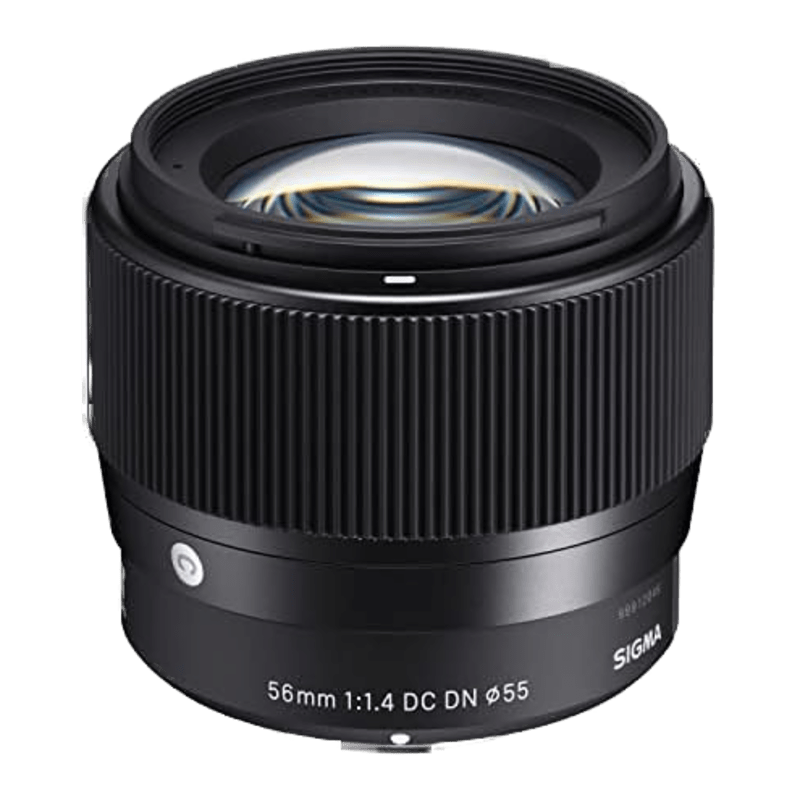
Sigma 56mm f/1.4 DC DN (Sony E)
84mm equivalent on the ZV-E10 II — the portrait lens for Sony APS-C. Compresses backgrounds and isolates subjects beautifully against the visual chaos of Vietnamese markets and street scenes. At f/1.4 the bokeh melts distractions away. Heavier than the 30mm, but the images it produces justify carrying it for dedicated portrait sessions.
Checked Monday
 Wide Street
Sony
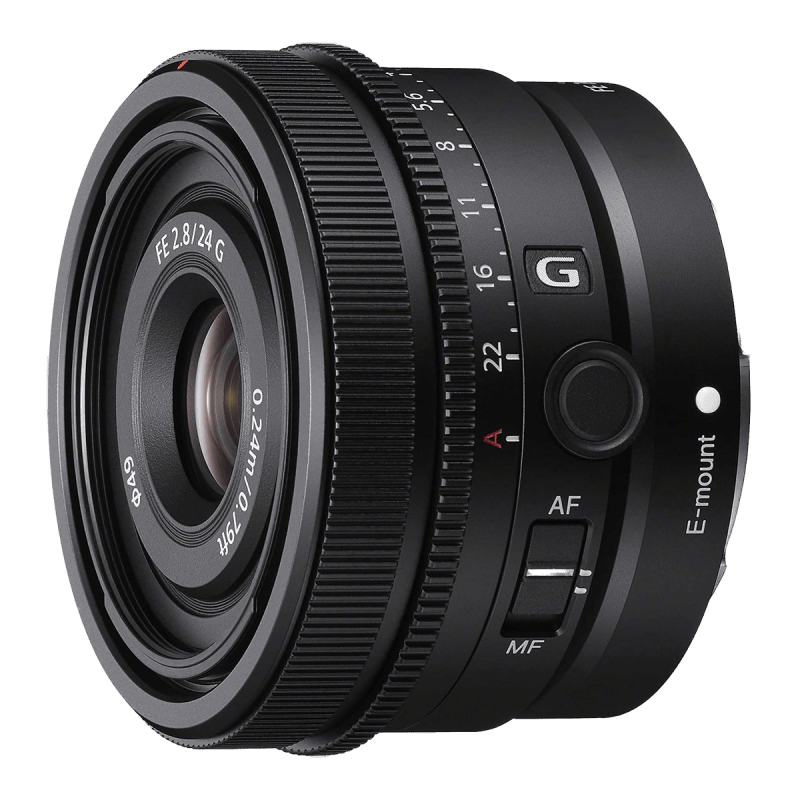
Sony FE 24mm f/2.8 G
The natural companion for the ZV-E10 II or any Sony body. 24mm gives you the width to capture Vietnam's environments — the chaos of a morning market, the scale of a colonial facade — while still staying close enough to feel present. At 162 grams it adds almost nothing to the camera, and the f/2.8 aperture handles low light better than any kit zoom.
Checked Monday
 Ultra Compact
Sony
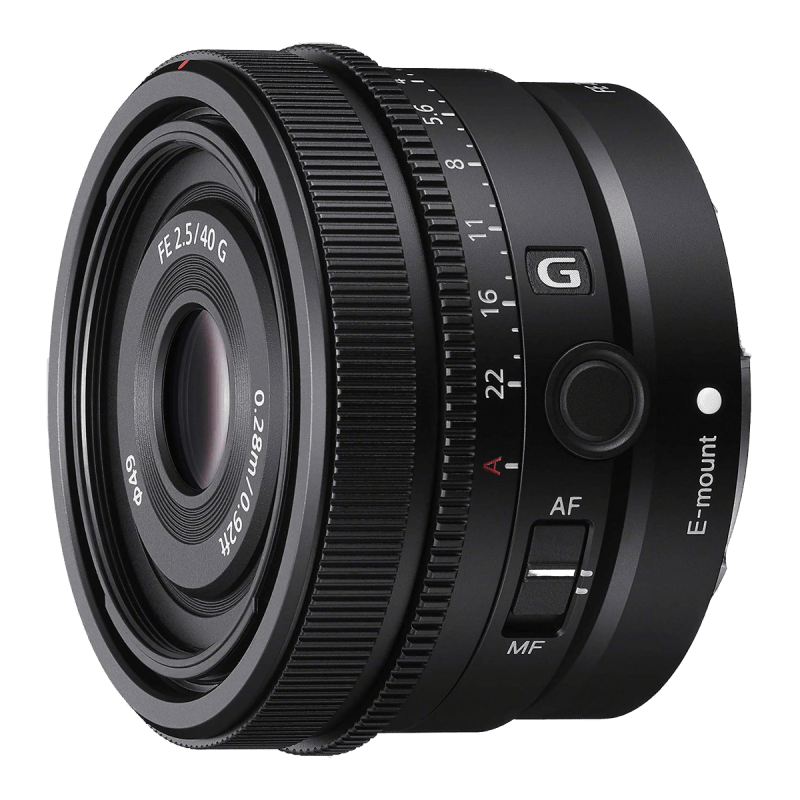
Sony FE 40mm f/2.5 G
Tiny, light, and optically superb on Sony full-frame bodies. The 40mm field of view sits between a classic wide-street lens and a portrait prime — comfortable to shoot with all day, and forgiving enough to capture context without distorting faces. At 173 grams, you barely notice it's on the camera.
Checked Monday
 Budget Pick
TTArtisan
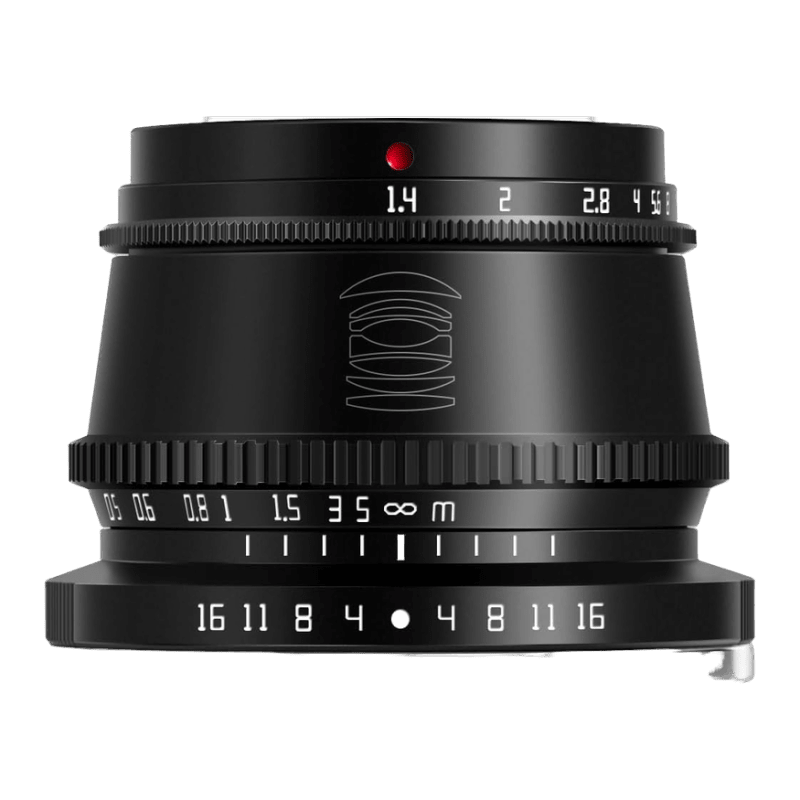
TTArtisan 35mm f/1.4 (Fuji X)
A 50mm equivalent for Fuji bodies at a fraction of any first-party prime. Manual focus only — which works in your favour on the street, where zone focusing at f/5.6 gives a deep enough depth of field to shoot without thinking. The f/1.4 aperture handles Vietnam's dim temple interiors and night markets exceptionally well for the price. The first lens many community members buy when upgrading from a kit zoom.
Checked Monday
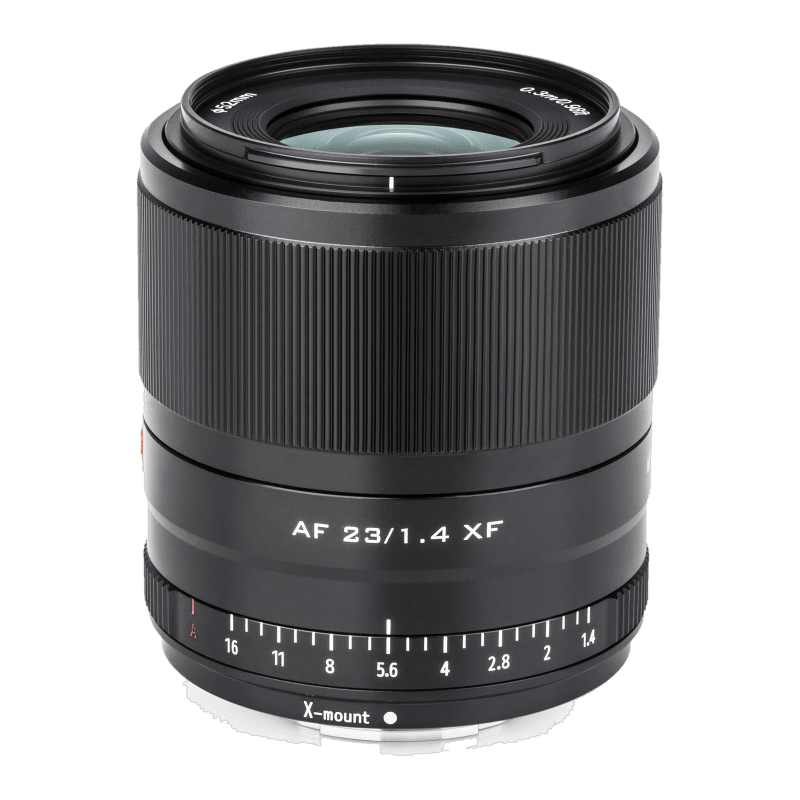 Budget AF
Viltrox
Viltrox 23mm f/1.4 STM (Fuji X)
Out of stock at Amazon35mm equivalent with full autofocus at two-thirds the price of the Fujinon 23mm f/2 — and a full stop faster. The f/1.4 aperture swallows Vietnam's night markets and dim temple interiors without hesitation. Sharp across the frame, near-silent AF motor, and weather-sealed. The lens that made Viltrox a household name in the Fuji community.
Checked Monday
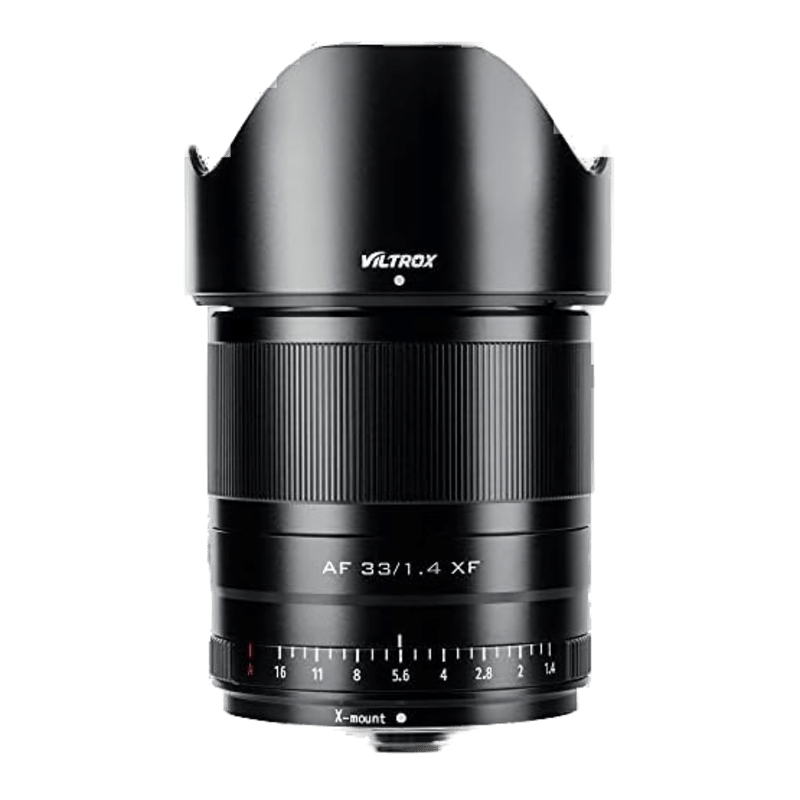 Budget AF
Viltrox
Viltrox 33mm f/1.4 STM (Fuji X)
50mm equivalent with autofocus — the upgrade from the manual-only TTArtisan at the same focal length. Fast, accurate AF tracking means you can work moving subjects in Saigon's traffic or Hanoi's Old Quarter without missing the moment. Same f/1.4 aperture, same low-light confidence, but with the convenience of AF when the scene moves faster than your fingers.
Checked Monday
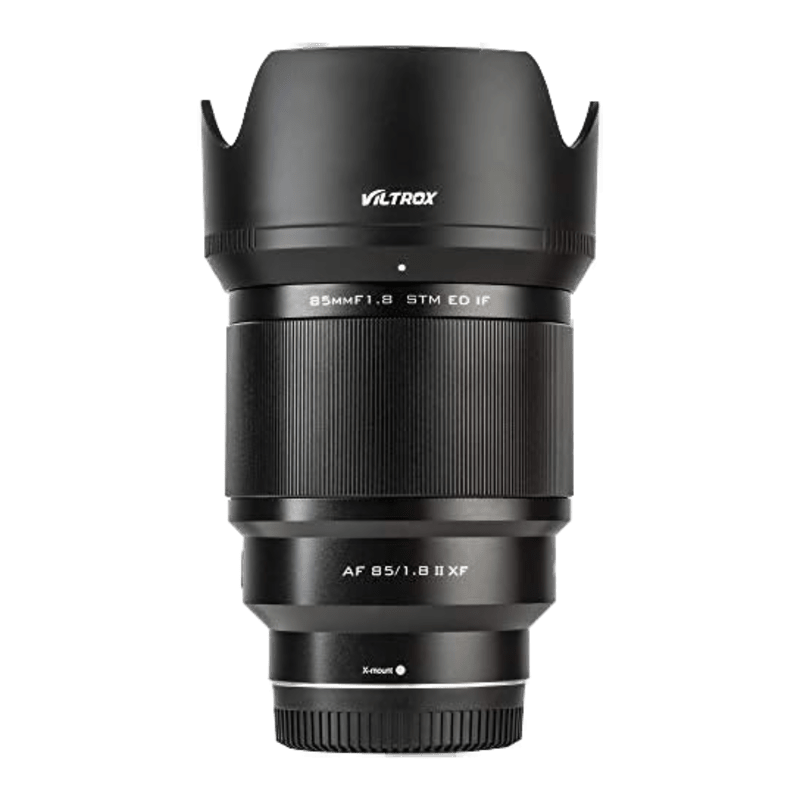 Compressed Street
Viltrox
Viltrox 85mm f/1.8 STM (Fuji X)
130mm equivalent on Fuji — a completely different look from every other lens on this page. Compresses Vietnam's layered street scenes into flattened, graphic compositions shot from across the road. Stunning for candid portraits where you don't want to intrude. AF is fast enough for street, and the f/1.8 aperture handles the transition from daylight to dusk without struggle.
Checked Monday
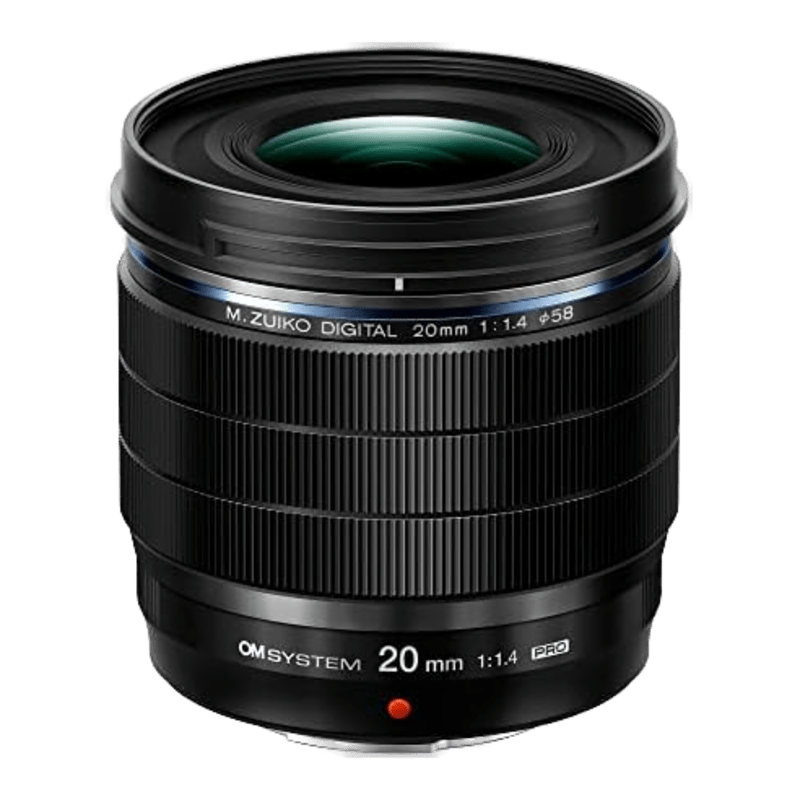 Monsoon Ready
OM System
M.Zuiko 20mm f/1.4 PRO
With this on an OM-5 you have a fully sealed kit under $2,000 that fits in a sling pocket. The f/1.4 buys back a stop of what the smaller sensor gives up after sunset.
Checked Monday
 New
NewFujifilm
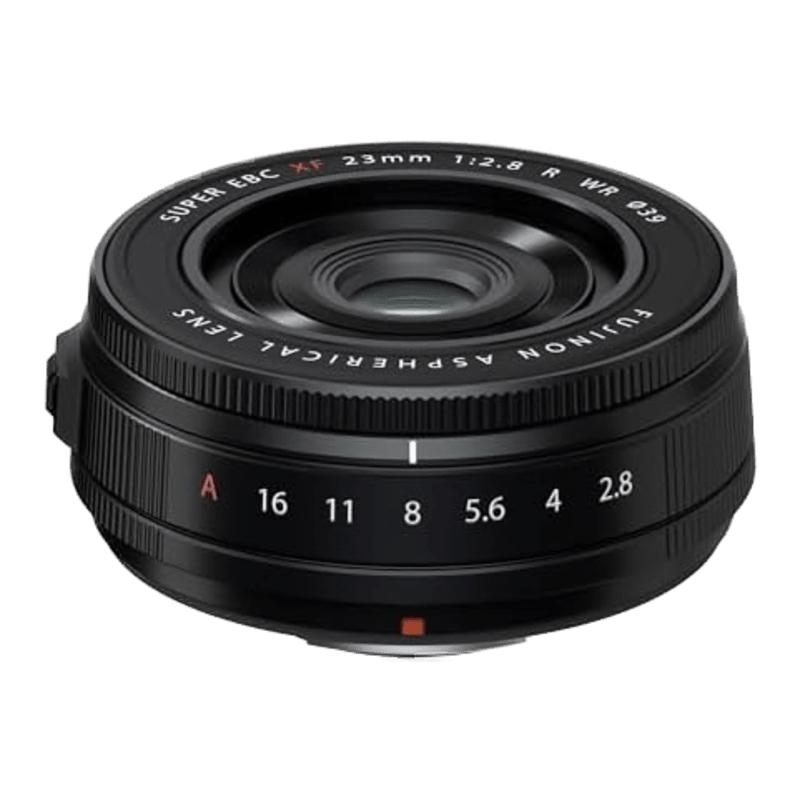
Fujifilm XF 23mm f/2.8 R WR Pancake
WR sealing on a pancake is rare — this and a sealed body make a legitimate rainy-season street kit at a fraction of full-frame prices.
Checked Monday
 Monsoon Ready
Nikon
Nikkor Z 26mm f/2.8 Pancake
Sealing is what separates this from the cheaper 28mm f/2.8 — when the April-October rains arrive mid-walk, this is the pancake that shrugs. 26mm is wide enough to shoot Hanoi's Old Quarter from the hip.
Checked Monday
 Pancake
Fujinon
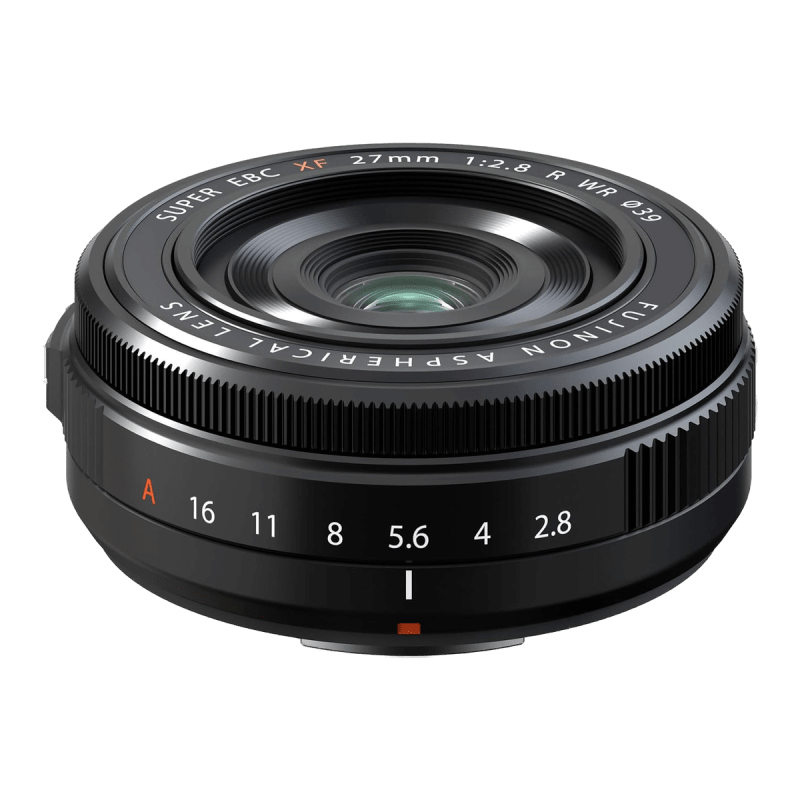
Fujinon XF 27mm f/2.8 R WR
A pancake that turns an X-T5 or X-T50 into something close to a pocket camera, which changes how often it leaves the bag on a hot afternoon. 41mm equivalent is a natural frame for a street vendor and their stall. Weather resistant, so the afternoon rain is not a reason to stop. f/2.8 is the trade: night markets want the f/2 primes.
Checked Monday
 Wide & Fast
Sigma
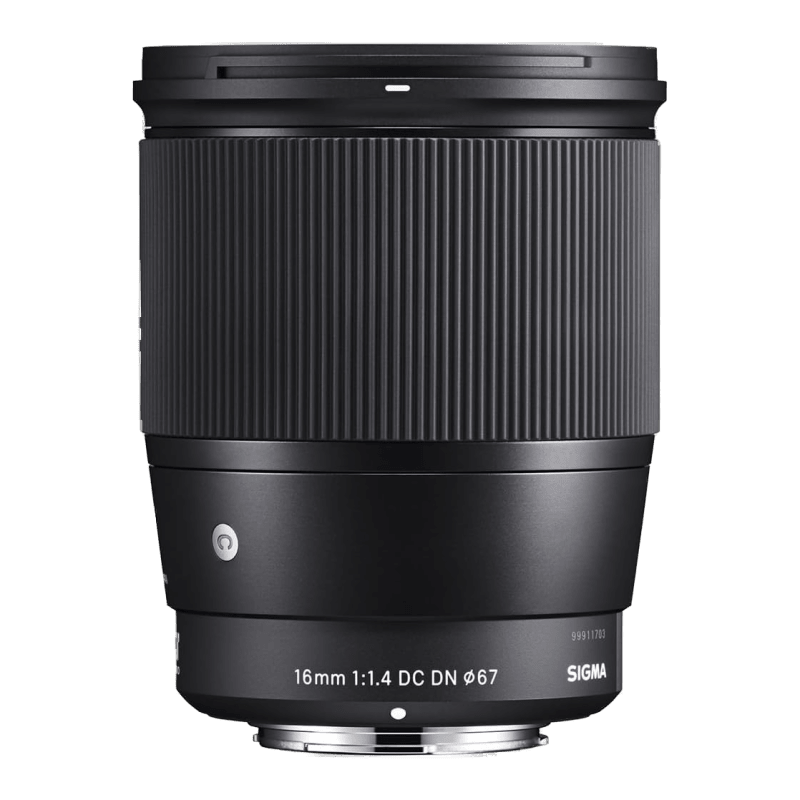
Sigma 16mm f/1.4 DC DN (Sony E)
24mm equivalent for the alleys too narrow to step back in and the markets where the whole stall is the picture. f/1.4 is fast enough for a night market without pushing the ISO. It is a big lens for an APS-C body, so it lives in the bag until the 24mm picture appears, and it does not hold up to the afternoon rain the way a sealed lens does.
Checked Monday
 Pocketable
Canon
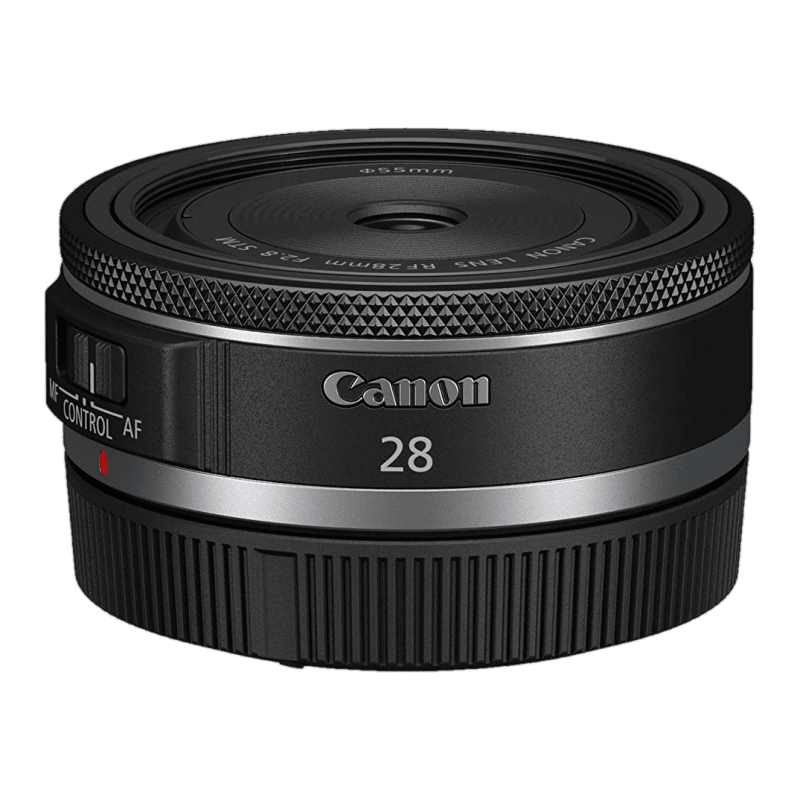
Canon RF 28mm f/2.8 STM Pancake
Wide, flat, and anonymous — the setup for standing in one Hanoi doorway and letting the street compose itself around passersby.
Checked Monday
 Best Value
Nikon
Nikkor Z 40mm f/2 (SE)
At this price and size it's the lens you take into the chaos of Ben Thanh without a second thought. The 40mm view suits Vietnam's dense streets — one step closer than 50mm lets you work in narrow alleys.
Checked Monday
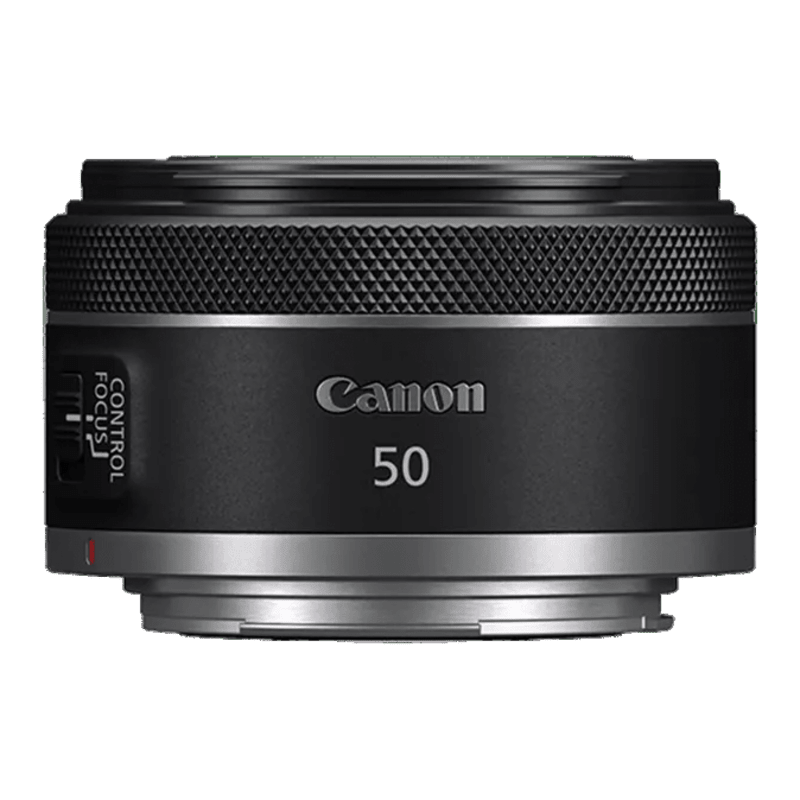 Best Value
Canon
Canon RF 50mm f/1.8 STM
At $199 it's the lens you don't baby. Fifty is tight for alley work but perfect for pulling one face out of a market crowd.
Checked Monday
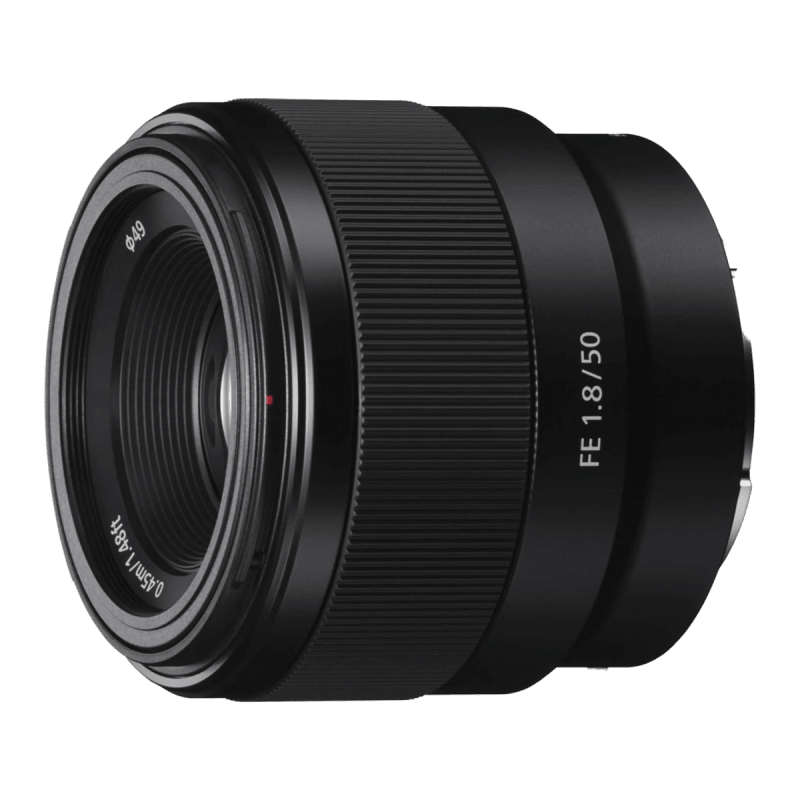 Budget Classic
Sony
Sony FE 50mm f/1.8
The cheapest fast prime for the a7C II, and 50mm is the frame most of us end up at for a portrait across a market stall. f/1.8 handles a night market without strain. Not sealed, and the autofocus hunts in the low light under a tarpaulin, so it is a lens for the dry season and the daylight hours; the 40mm f/2.5 G is the all-weather one.
Checked Monday
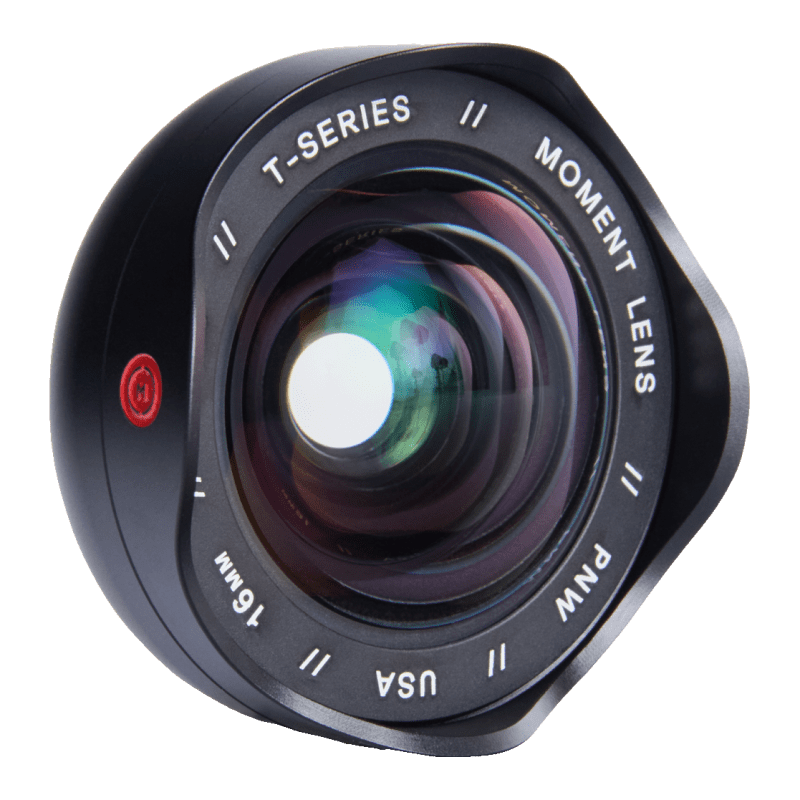
Moment
Moment 16mm Wide Lens (T-Series II)
Plenty of the best work submitted to Streets & Stories was shot on a phone. The limit is usually the width and the edge sharpness of a phone's wide lens in a cramped alley; this fixes both without changing what you carry.
Checked Monday
Bags & Straps
Comfortable, quick to access, and doesn't look like it contains an expensive camera.
Community FavouritePeak Design
Peak Design Everyday Sling 6L
Out of stock at AmazonOne-shoulder access, weather sealed, holds a mirrorless body plus two lenses plus a day's worth of essentials. The magnetic clasp opens and closes quietly and instantly. The most popular bag in the community for full-day Saigon or Hanoi shoots — comfortable enough for six hours, secure enough that you stop thinking about it.
Checked Monday
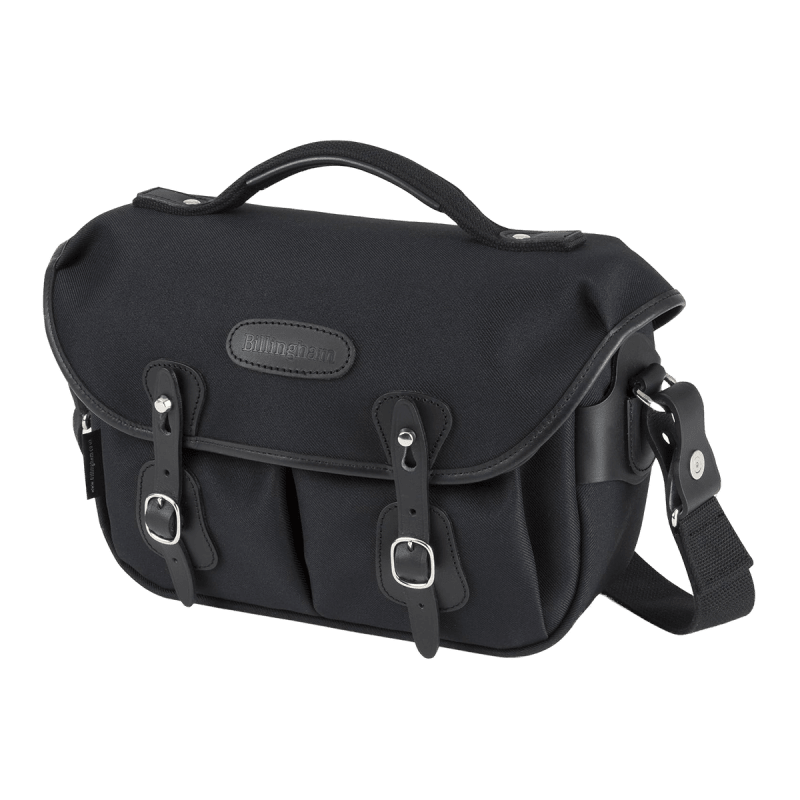 Heritage
Billingham
Billingham Hadley Small Pro
Out of stock at AmazonHandmade canvas that does not look like a camera bag, which in a Hanoi café or on a sleeper train is worth more than any feature. The three-layer FibreNyte is waterproof and resists the mould that Vietnam's humidity grows on everything left in a cupboard. Expensive, and heavier than a sling, but the one bag here that gets better over ten years.
Checked Monday
Peak Design
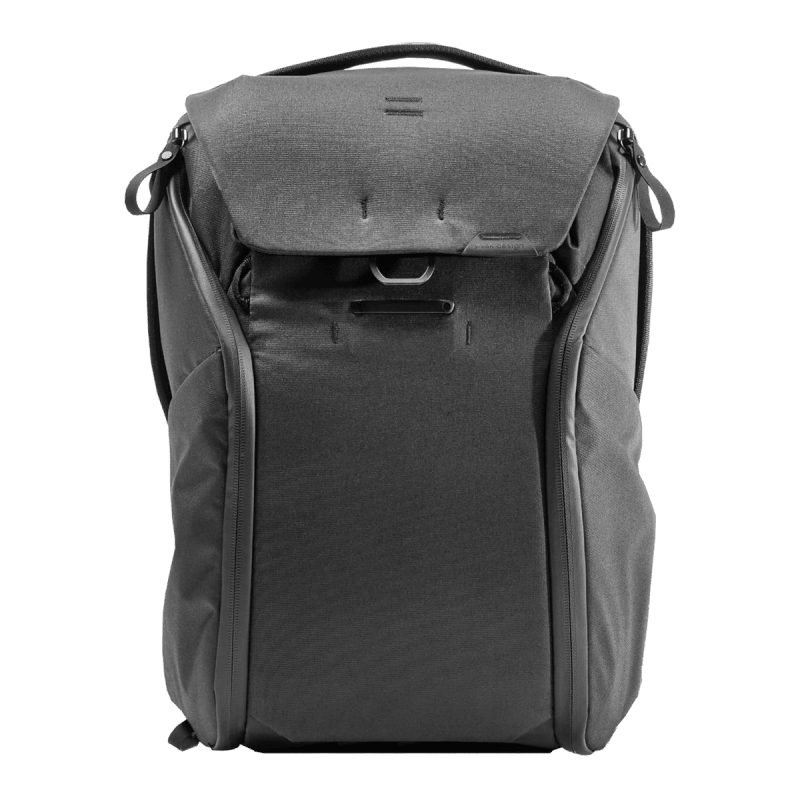
Peak Design Everyday Backpack 20L V2
For the days with two bodies, or a body and a laptop, or a shoot that ends in a different city from where it started. Side access on both flanks means the camera comes out without taking the pack off on a crowded pavement. Hot on the back in the southern summer, which is true of every backpack here; carry a sling for the short walks and this for the travel days.
Checked Monday
 10% off via our link
Owl Krown
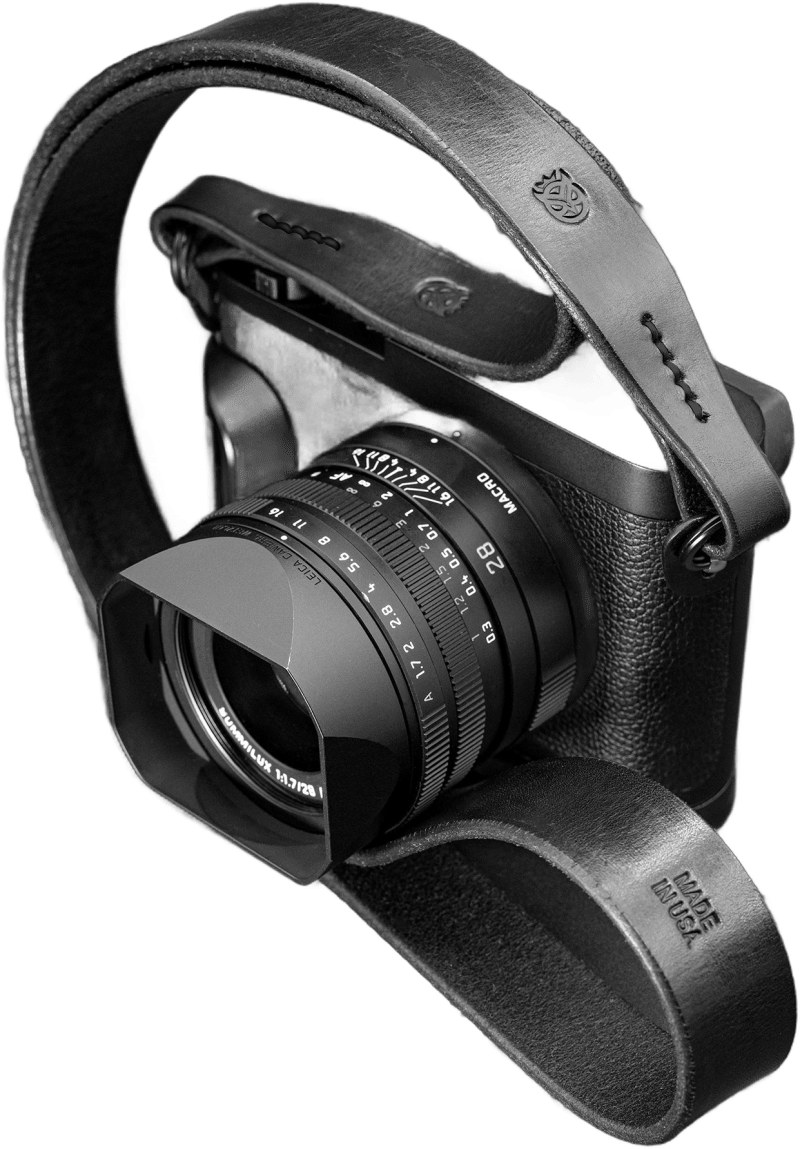
Owl Krown Helliot Leather — Stealth
Full-grain leather for the heavier bodies, an M11 or a Q3, that a rope strap lets swing too freely. It breaks in within days and goes darker with the sweat and sun of a Vietnamese summer, which is the look. Black on black does not announce the camera in a crowd. Keep it out of the bag overnight so the leather dries. 10% off eligible products through our link.
Checked Monday
10% off via our linkOwl Krown
Owl Krown TrailFlex Adjustable Strap
The adjuster is what makes this the strap the community keeps recommending: long and cross-body on a motorbike or a crowded pavement, short at the hip when the camera needs to come up fast. The padded section earns its place by hour four. Climbing rope dries quickly after the afternoon rain and does not stick to a wet neck. 10% off eligible products through our link.
Checked Monday
 10% off via our link
Owl Krown
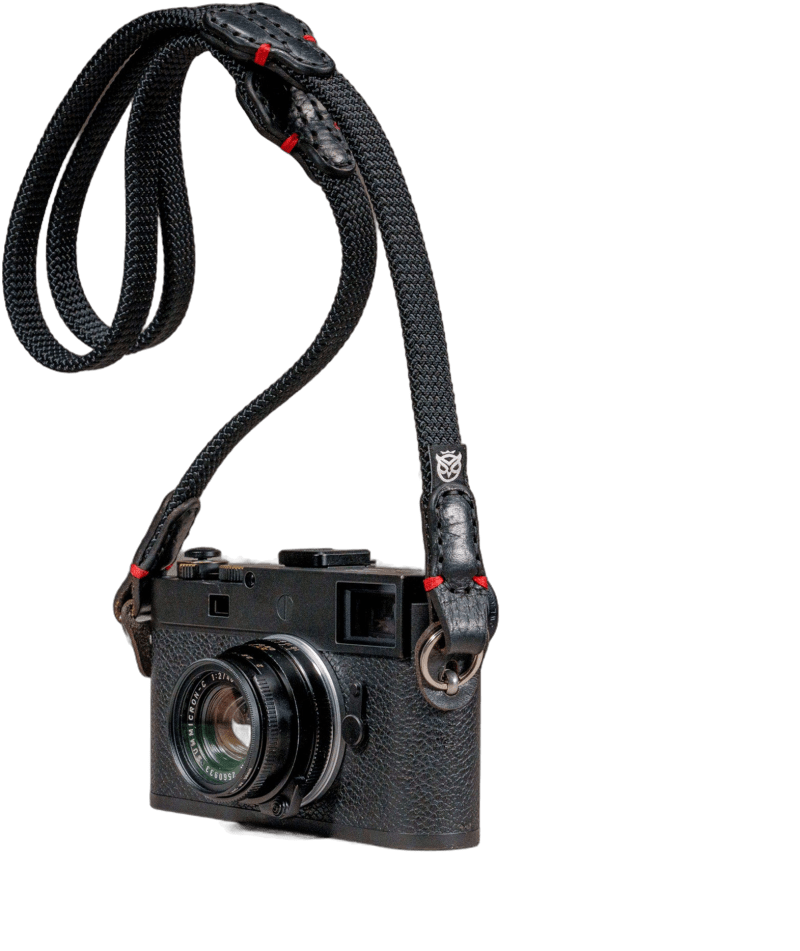
Owl Krown TwinPad Strap
Out of stock at Owl KrownA full-frame body with a 35mm f/1.4 is fine at eight in the morning and a problem by lunch. The two padded sections sit where a plain rope strap starts to bite after a long Hanoi walk, and the rope between them still slides on a sweaty neck instead of sticking. The strap for the photographer who carries the heavier kit and shoots all day. 10% off eligible products through our link.
Checked Monday
WANDRD
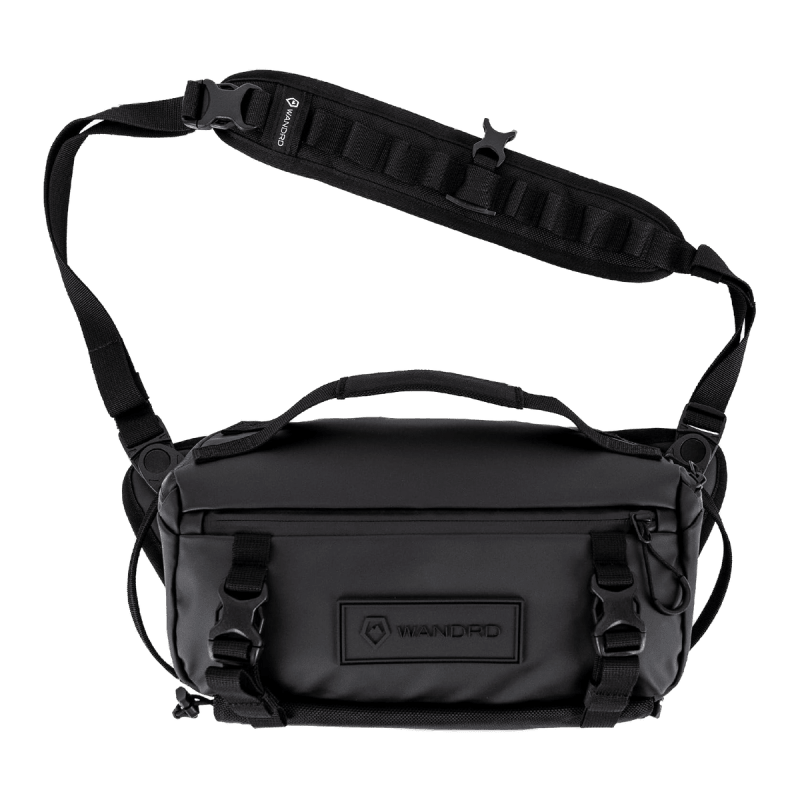
WANDRD Rogue Sling 6L
A body with the lens on, a second lens, and side access that lets you draw the camera without unslinging. The shell sheds the quick rain that catches you between awnings on a Saigon afternoon. It carries well on a motorbike, pulled round to the front. A touch more structured than the Peak Design 6L, which some prefer in a crowd.
Checked Monday
 Photojournalist Classic
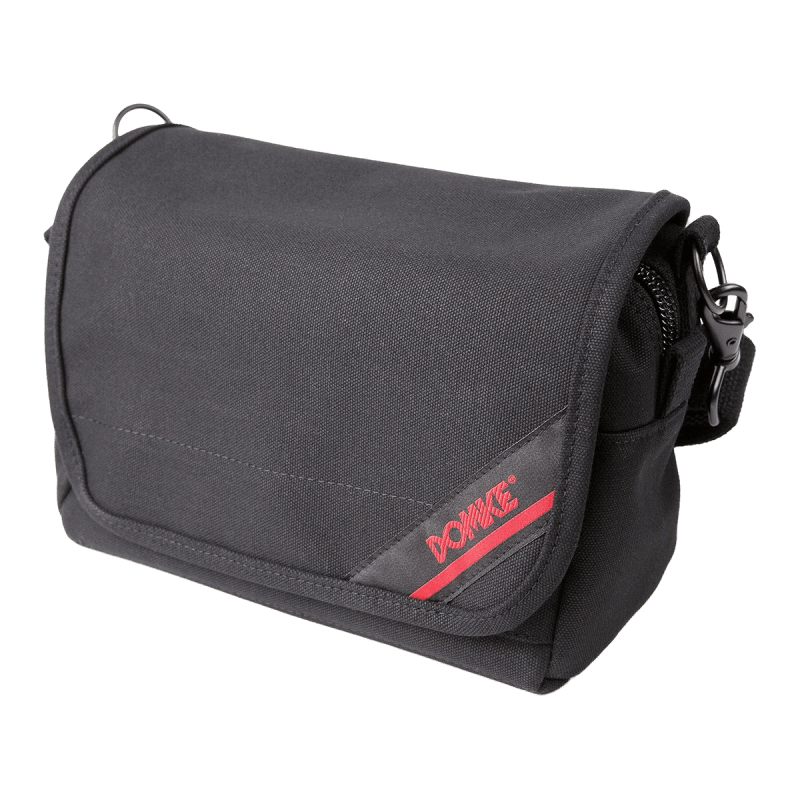
Domke
Domke F-5XB
Out of stock at AmazonUnstructured canvas that looks like a tired satchel, which is exactly why nobody looks twice at it in a market or on a train platform. It holds one body, two small primes and a bottle of water, and the canvas breathes in the heat where padded nylon sweats. Not waterproof: in the rainy season a cover or a dry bag inside it is the honest answer.
Checked Monday
 Hot Weather
BlackRapid
BlackRapid Sport Breathe
Out of stock at AmazonThe ventilated pad is the point. Saigon in May is 35 degrees with the humidity to match, and a neck strap turns into a wet collar within the hour. A cross-body sling keeps the camera at the hip, out of the sweat and ready in one pull, and the mesh pad dries between shots. Heavier than a rope strap, but the only strap some of us will wear in the hot months.
Checked Monday
Moment
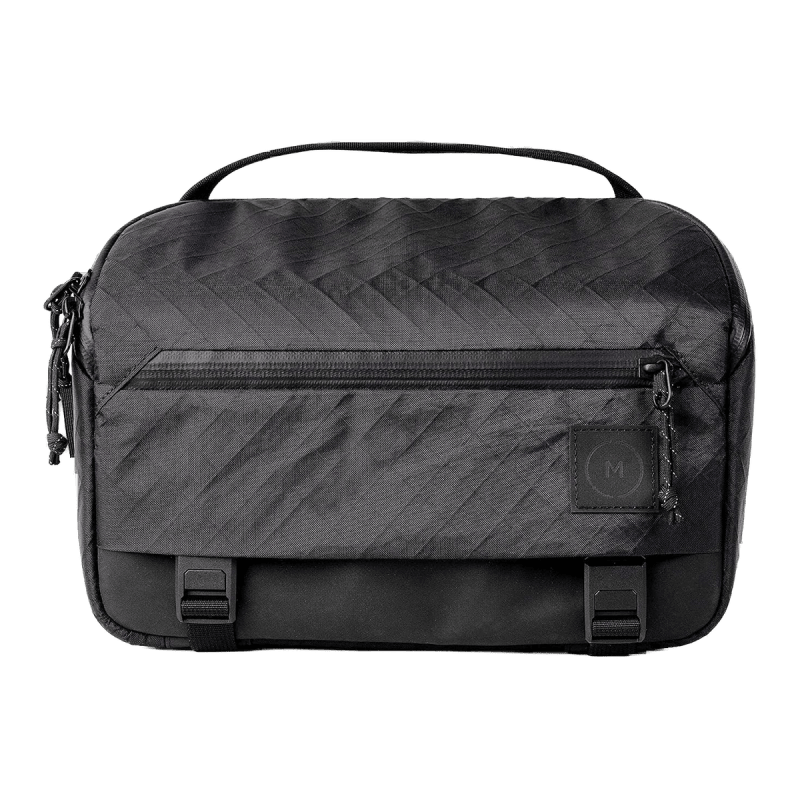
Moment Rugged Camera Sling 6L
The compartment opens towards your body while the bag stays slung, so in a market the camera comes out and goes back in one motion without turning your back on the crowd. Weather-sealed zips and a coated shell handle the afternoon rain without a cover. Stiffer than the Peak Design sling and a little louder to open; faster to draw from.
Checked Monday
Peak Design
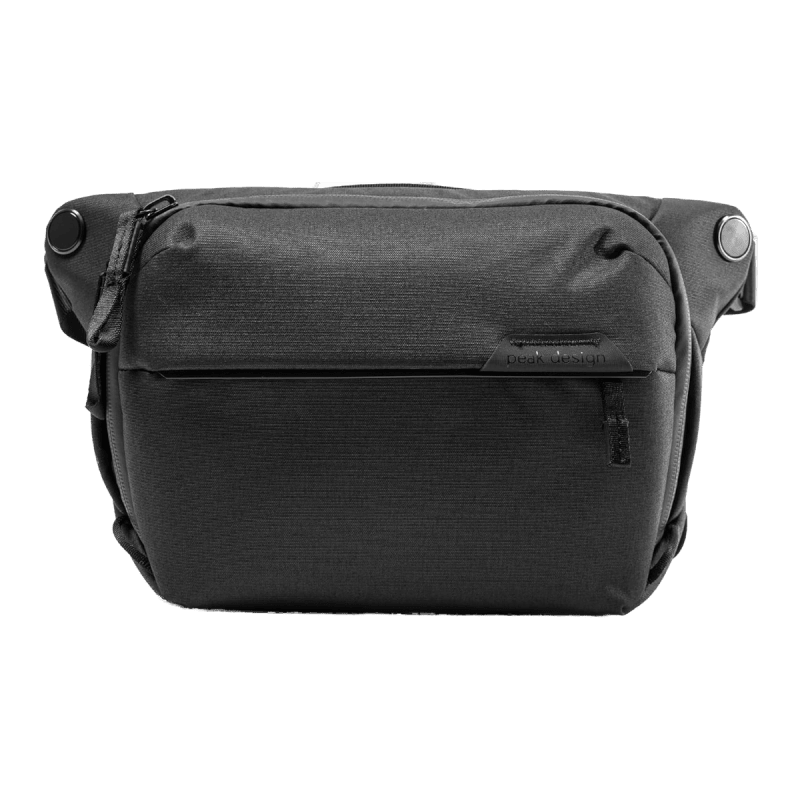
Peak Design Everyday Sling 3L
One compact body, one lens, a spare battery and a phone. That is a full day in Hanoi for most of us, and the 3L stops you carrying the lens you were never going to change to. Small enough to swing round to the front on a motorbike and sit under a rain jacket when the sky opens. If you shoot a full-frame body with a zoom, you want the 6L.
Checked Monday
 10% off via our link
Owl Krown
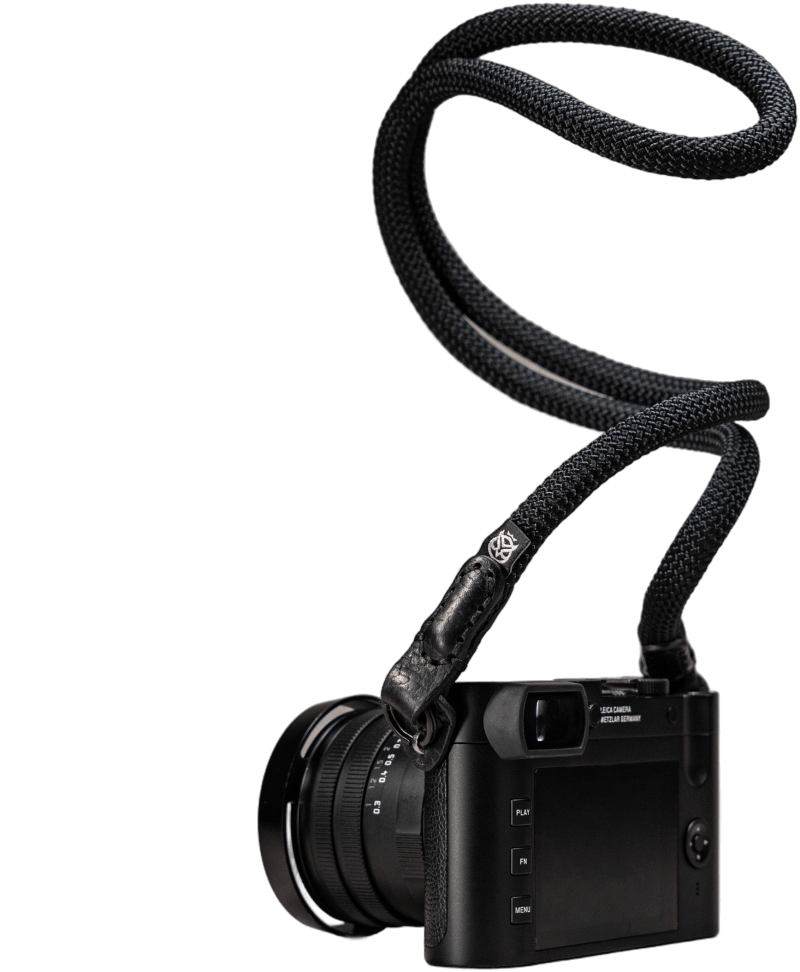
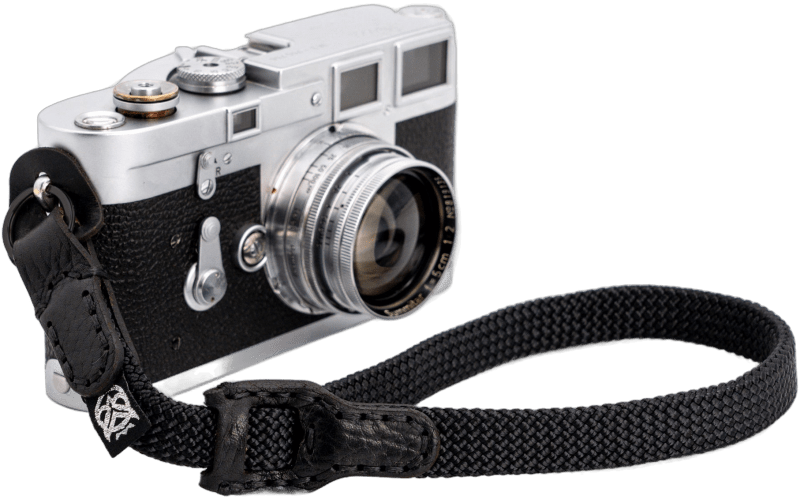
Owl Krown Classic Round Rope Strap
Round rope does not stick to skin in humidity the way flat webbing does, and after a day in Hanoi's summer that is the whole argument. No padding and no adjusters, so it is for the smaller bodies most of us carry here: an X100, a GR, a rangefinder with a 35mm. The brass hardware shrugs off the salt air in Nha Trang and Da Nang. 10% off eligible products through our link.
Checked Monday
 10% off via our link
Owl Krown
Owl Krown WristFlex Adjustable
In a crowded market a wrist strap is the honest choice: the camera is in your hand, not swinging at your hip into a basket of chillies. Tighten it when the crowd closes in, loosen it on a long walk, and unclip it in a second when the camera goes into the bag before a downpour. Pairs with a GR, an X100 or any compact body you shoot one-handed. 10% off eligible products through our link.
Checked Monday
 Versatile
Peak Design
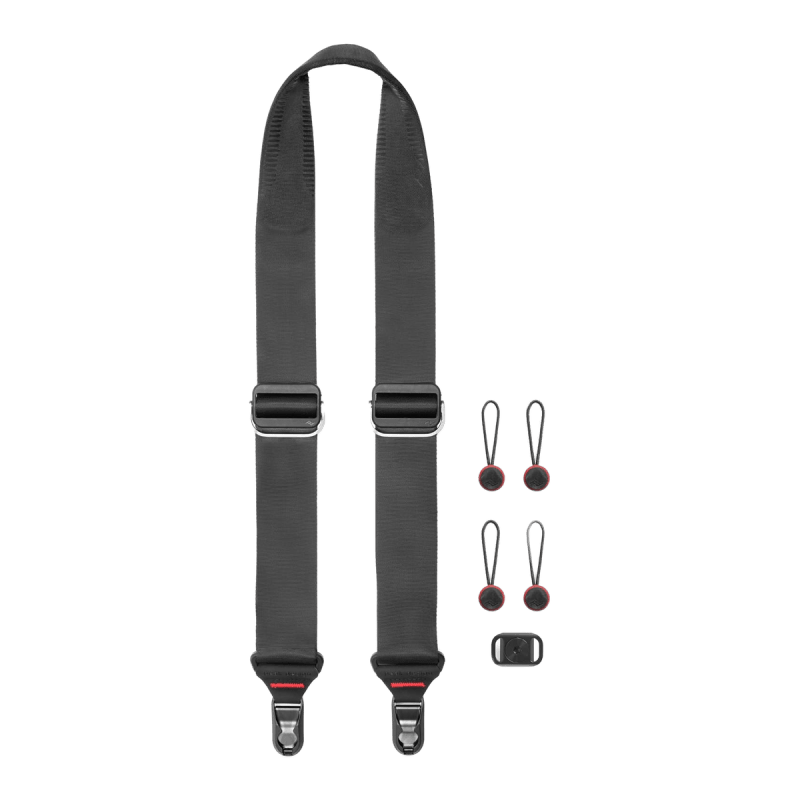
Peak Design Slide Strap
Out of stock at AmazonOne strap that goes from neck to shoulder to cross-body without rethreading, which matters when a morning starts on foot in the Old Quarter and ends on the back of a motorbike. The anchors let you drop it entirely for a tripod or a bag. Wide and padded, so it suits a bigger body; on a GR or an X100 it is more strap than camera.
Checked Monday
 Minimal
Peak Design
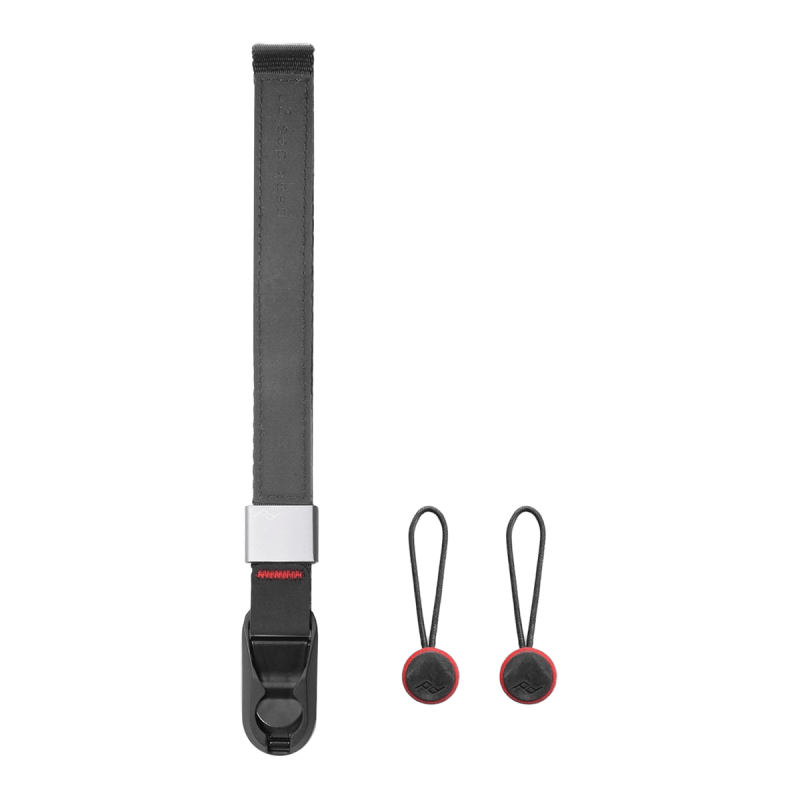
Peak Design Cuff Wrist Strap
The same anchors as the Leash and the Capture Clip, so one set of connectors covers the whole day: wrist in the market, neck on the walk between, clip on the bag strap for the motorbike. Keeps the camera on your wrist when a hand is busy with a coffee or a railing on a crowded ferry. Thin enough to leave on an X100 permanently.
Checked Monday
OP/TECH USA
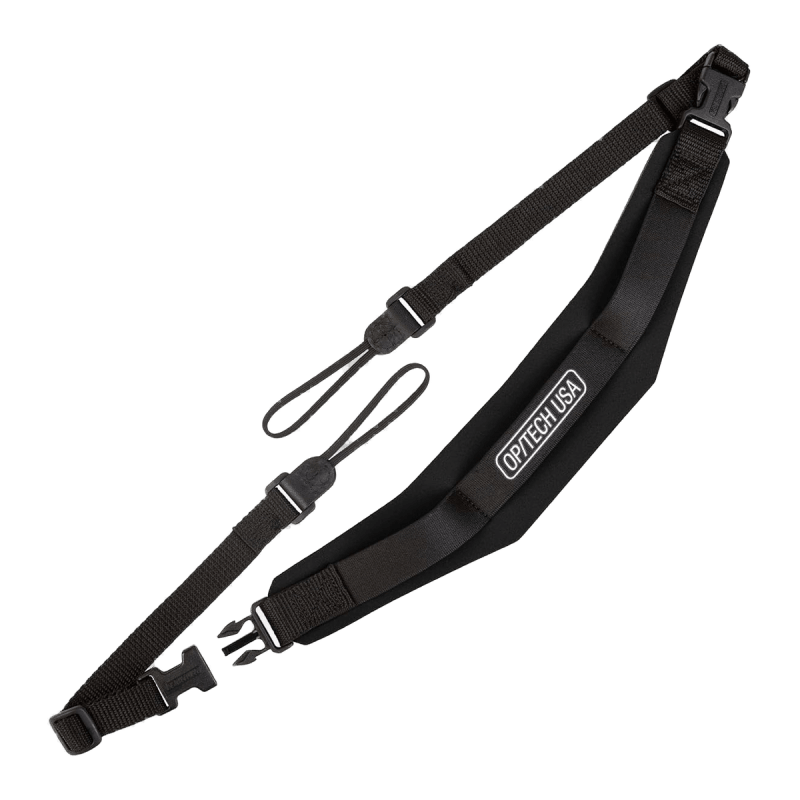
OP/TECH USA Pro Loop Strap
Out of stock at AmazonEvery camera strap here becomes a sweat strap. Neoprene is the wrong instinct in that respect — but it is also the only material that makes a heavier body bearable across a full day of walking, and unlike leather it can be rinsed and dried without being ruined.
Checked Monday
 Vintage
SMALLRIG
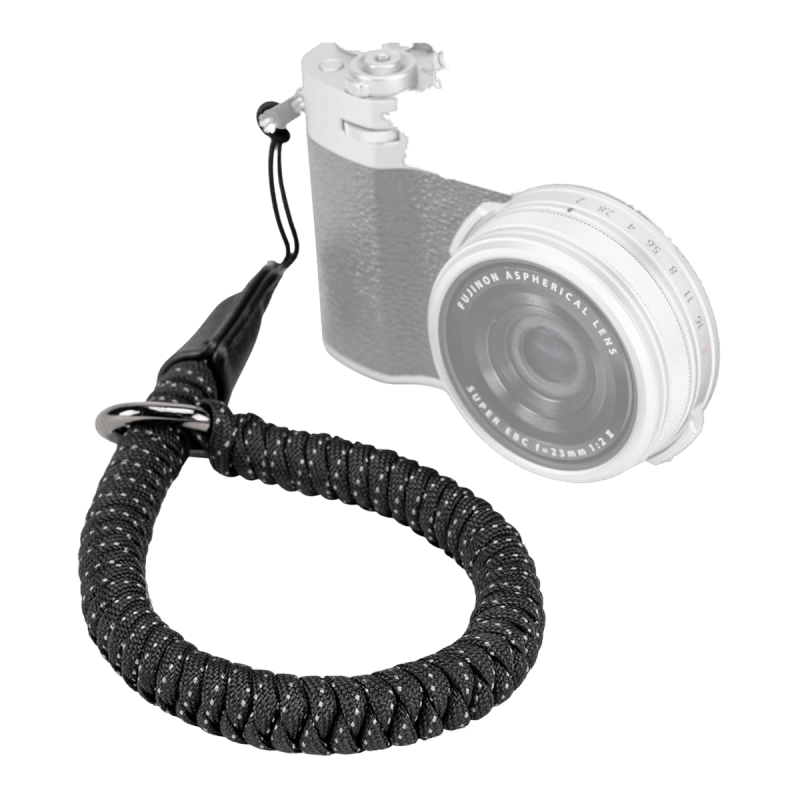
SMALLRIG Vintage Leather Wrist Strap
Leather and a retro Fuji body belong together, and a wrist strap suits the way most of us shoot in a market: camera in hand, raised and lowered a hundred times an hour. The safety tether is worth having on a boat in the Mekong. Leather does drink humidity, so let it dry out overnight rather than leaving it in the bag.
Checked Monday
 Stylish
ONA
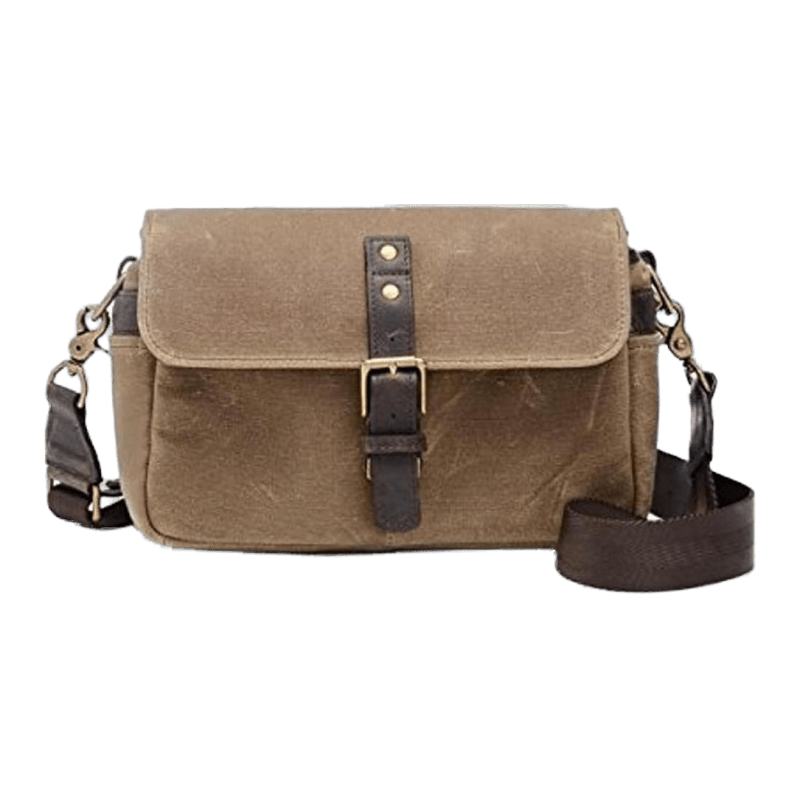
ONA The Bowery
Out of stock at AmazonWaxed canvas or leather shoulder bag that looks nothing like a camera bag. Holds a mirrorless body and two lenses discreetly. The low profile works particularly well in Vietnam's heritage towns and markets, where a large camera bag can affect how people interact with you. Built to last and ages beautifully.
Checked Monday
Hands-FreePeak Design
Peak Design Capture Clip V3
Clips to a bag strap, belt, or backpack shoulder strap. Camera sits against your body, accessible in under a second, and completely secure when you're moving. Invaluable for multi-hour street sessions where you alternate between walking and shooting. Works with any Peak Design straps and most tripod plates.
Checked Monday
 Lightweight
Peak Design
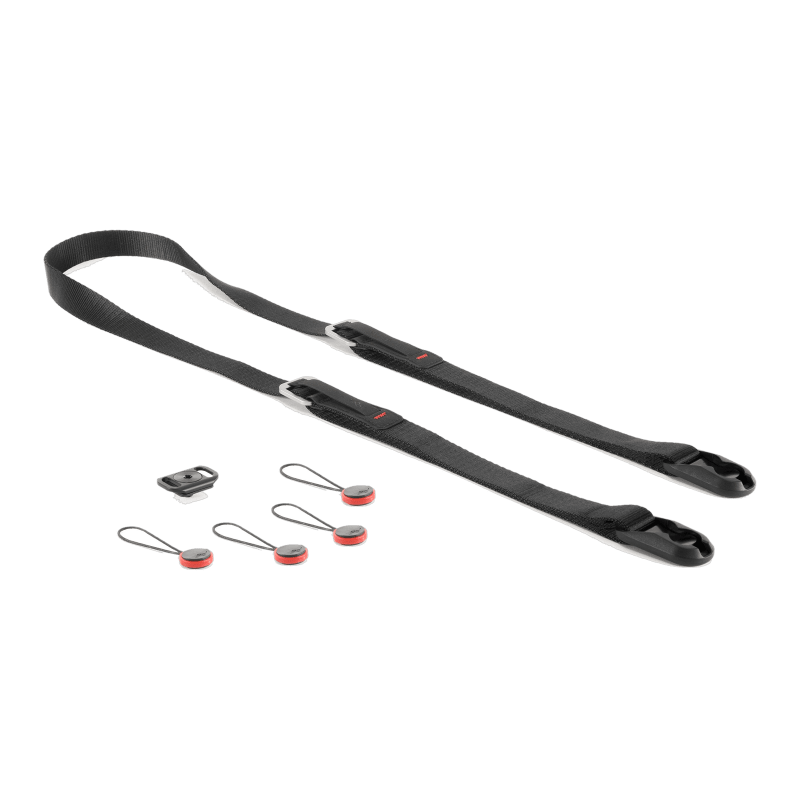
Peak Design Leash Strap
Out of stock at AmazonUltralight neck or sling strap that uses Peak Design's anchor system — attach and detach in one click. At 83 grams it adds almost nothing to the camera. The right strap for the X100VI or GR IIIx when you're moving quickly and want the camera in your hand, not your bag. The anchors are compatible with the Capture Clip for a seamless system.
Checked Monday
Accessories & Travel Protection
A fast memory card and a spare battery are as important as the camera itself — and Vietnam's tropical climate is relentless, so protecting your gear is non-negotiable.

K&F Concept
K&F Concept Nano-X Pro 49mm Variable ND + CPL
Vietnam's light is brutal from ten to four. This is how you keep f/2 at midday for a shallow frame on a street vendor, and the polariser is what pulls the sky back after rain and cuts the shine off wet pavement and glass.
Checked Monday
Fujifilm
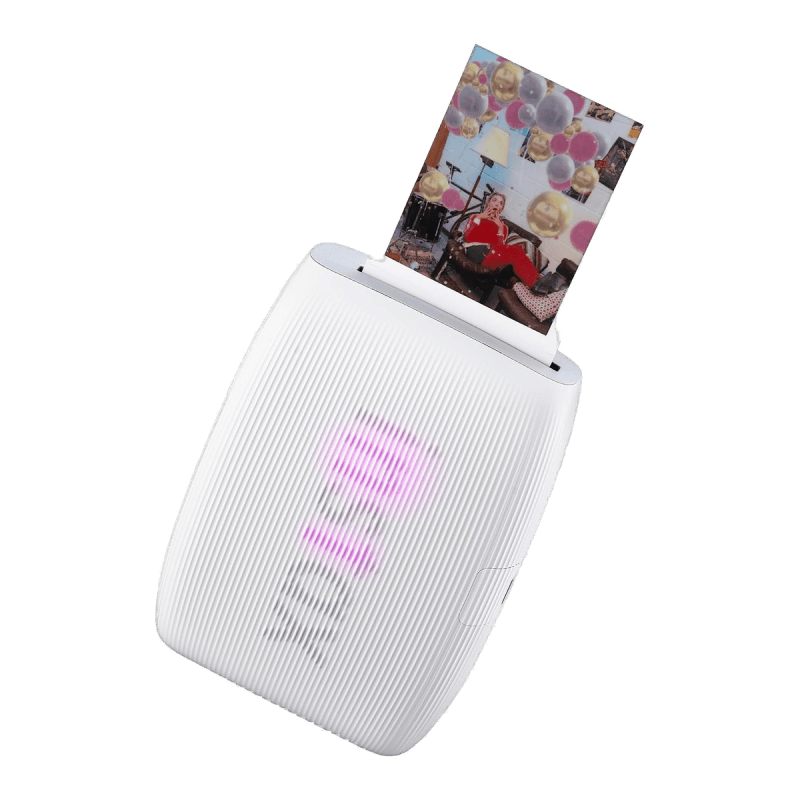
Instax Mini Link 3 Printer
The Instax camera gives away snapshots; this gives away the actual photograph. Shoot the vendor on the X100VI, transfer, print, hand it over. In a village that has never seen a print of itself this is the most generous object you own.
Checked Monday
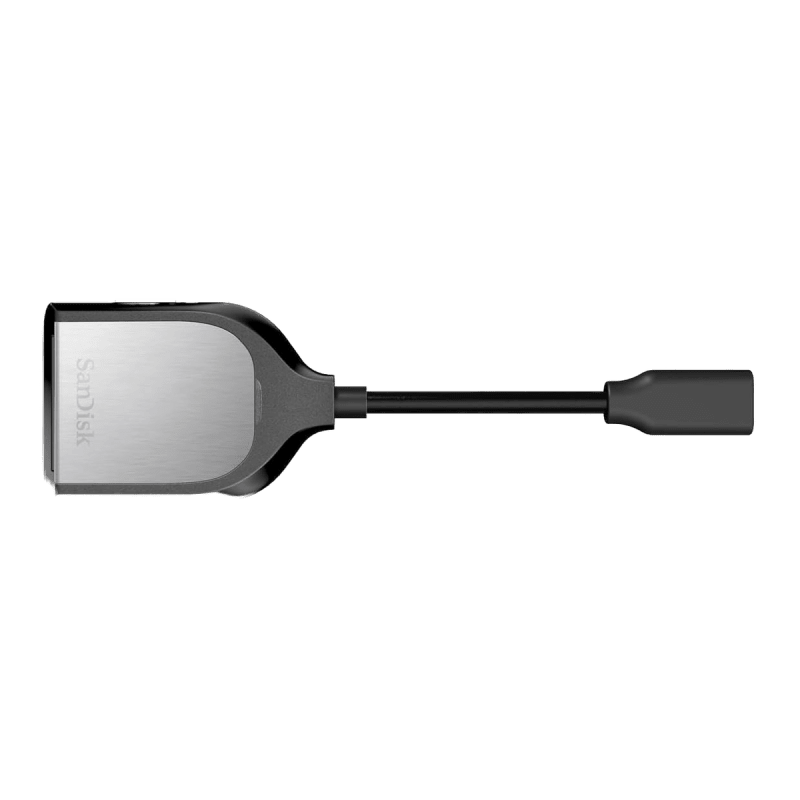
SanDisk
SanDisk Extreme Pro SD USB-C Reader
The nightly backup only happens if it is quick. With this and the T7 Shield a full 256GB card is copied before dinner is ordered, which is the only way the habit survives a three-week trip.
Checked Monday
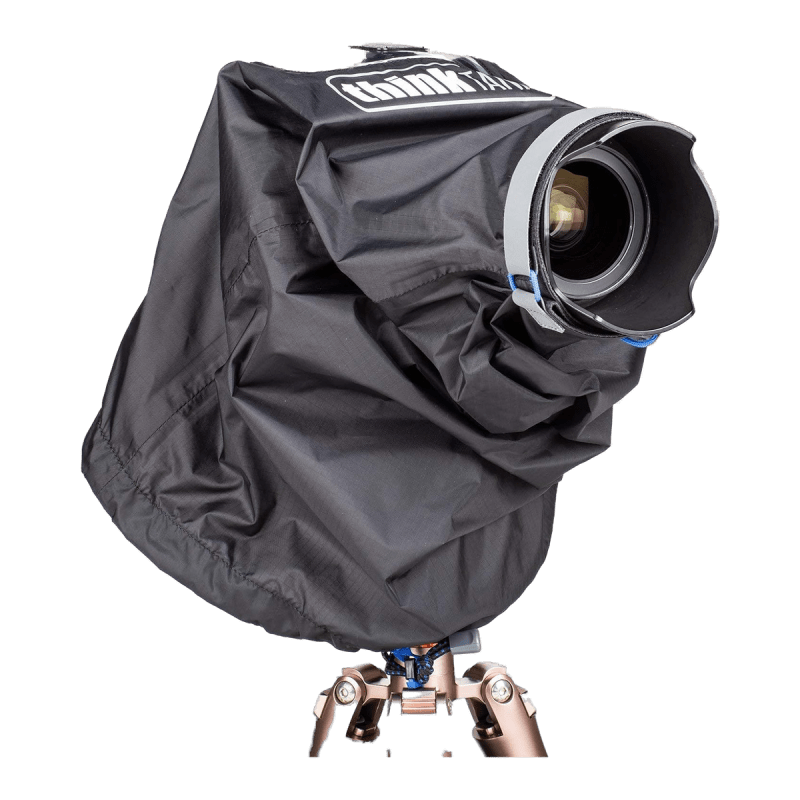
Think Tank
Think Tank Emergency Rain Cover (Small)
Saigon rain arrives in minutes and leaves in twenty, and the best pictures are in that window: umbrellas, reflections, people sheltering under awnings. Everyone else puts the camera away. This is how you keep shooting.
Checked Monday
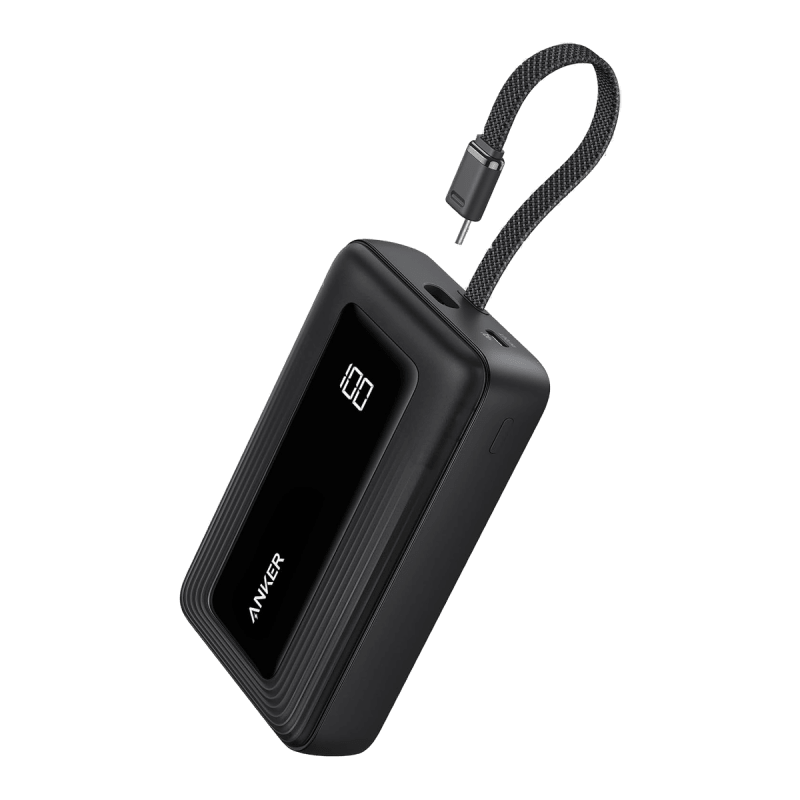
Anker
Anker Zolo Power Bank 20,000mAh
Days here are long and start early — sunrise on the water, then the markets, then blue hour — and mains power means going back to the room in the middle of it. At 20,000mAh this is comfortably under the 100Wh cabin limit for the domestic hops between Hanoi, Da Nang and Saigon, which a larger bank is not.
Checked Monday
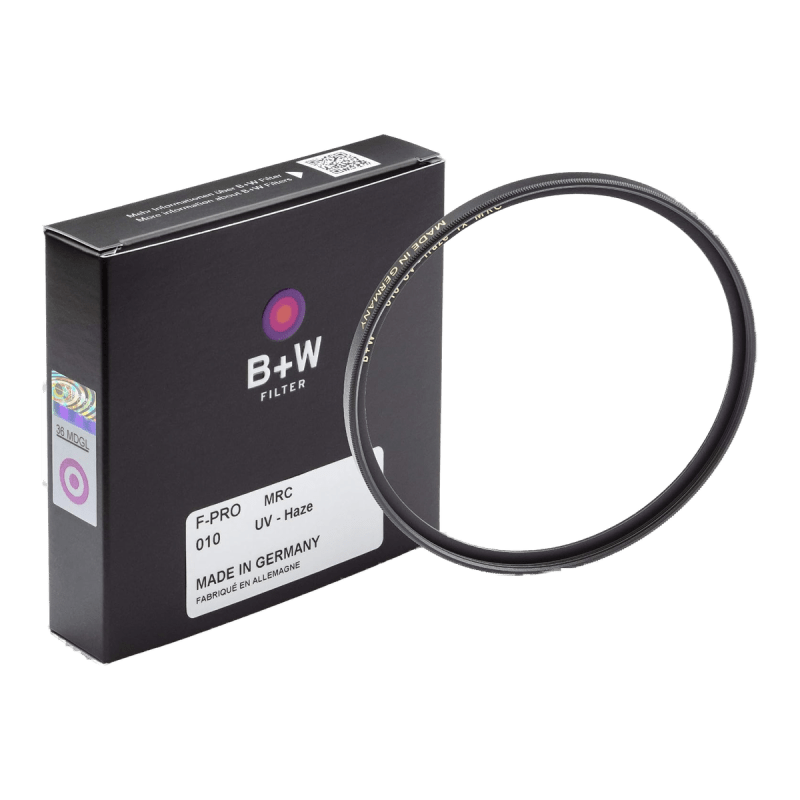 Lens Protection
B+W
B+W 49mm UV Filter MRC
Out of stock at AmazonFront elements in Vietnam collect two things: fine street dust from the motorbikes and the spray from an afternoon rain. A multi-coated filter takes both and wipes clean in a second, which a lens coating will not forgive forever. 49mm covers the XF 23mm and 35mm f/2 and the X100 series; buy the thread your lens actually has.
Checked Monday
Giottos
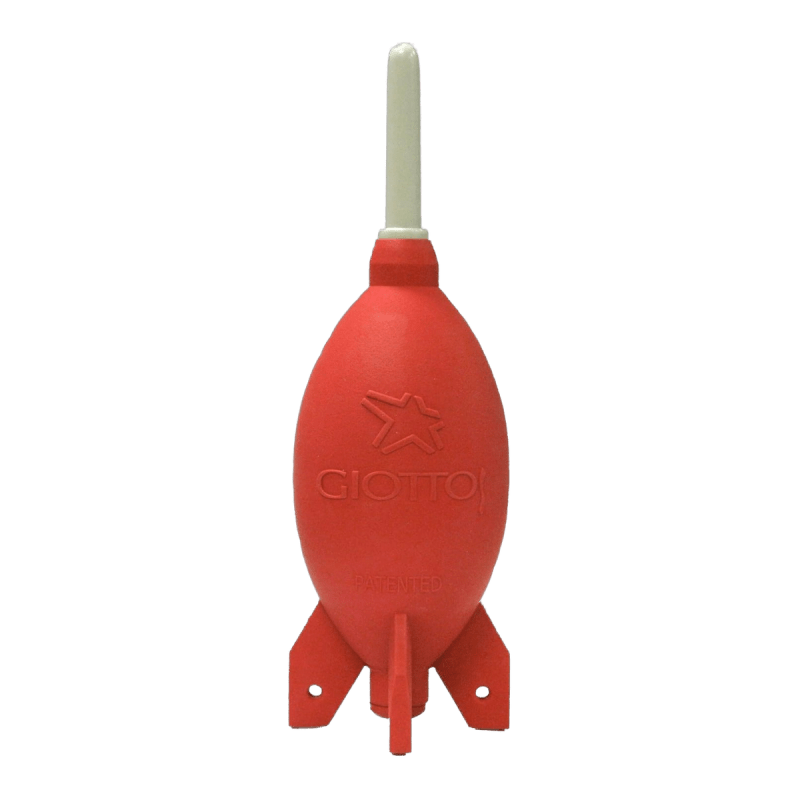
Giottos Rocket-Air Blower
Dust here is constant and fine, thrown up by traffic and dry-season wind, and it lands on the sensor every time you change a lens on the street. A blower belongs in the bag rather than the hotel room, because the moment you need it is right after the lens change that caused it.
Checked Monday
Hoya
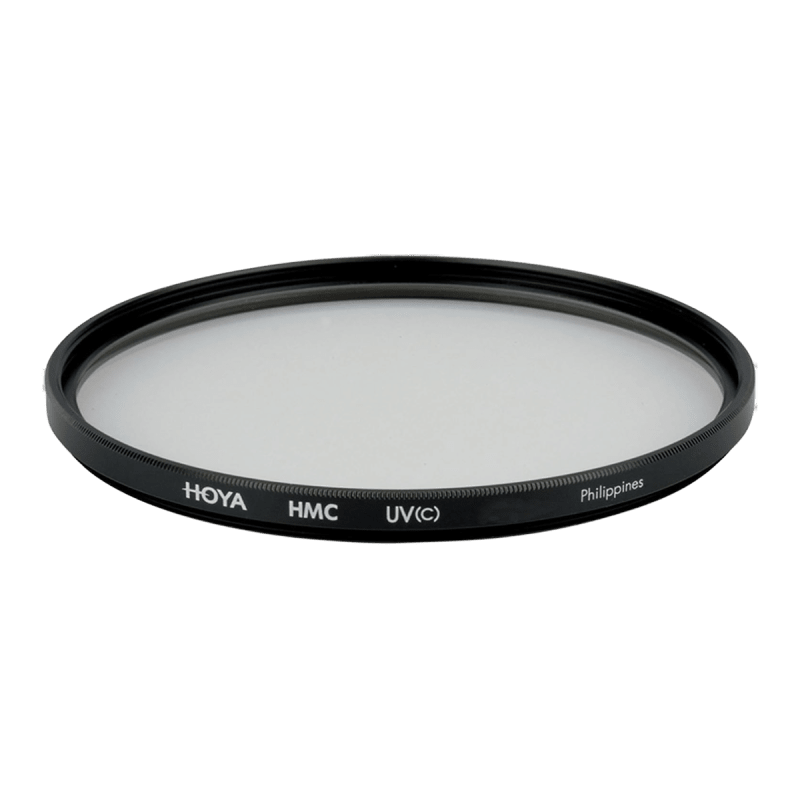
Hoya 49mm HMC UV(c) Filter
Fujifilm seals the X100VI only when a filter is fitted. In the rainy season that is the difference between shooting through the storm and waiting it out. On a GR it is simply the thing that keeps dust out of the lens barrel.
Checked Monday
Ulanzi
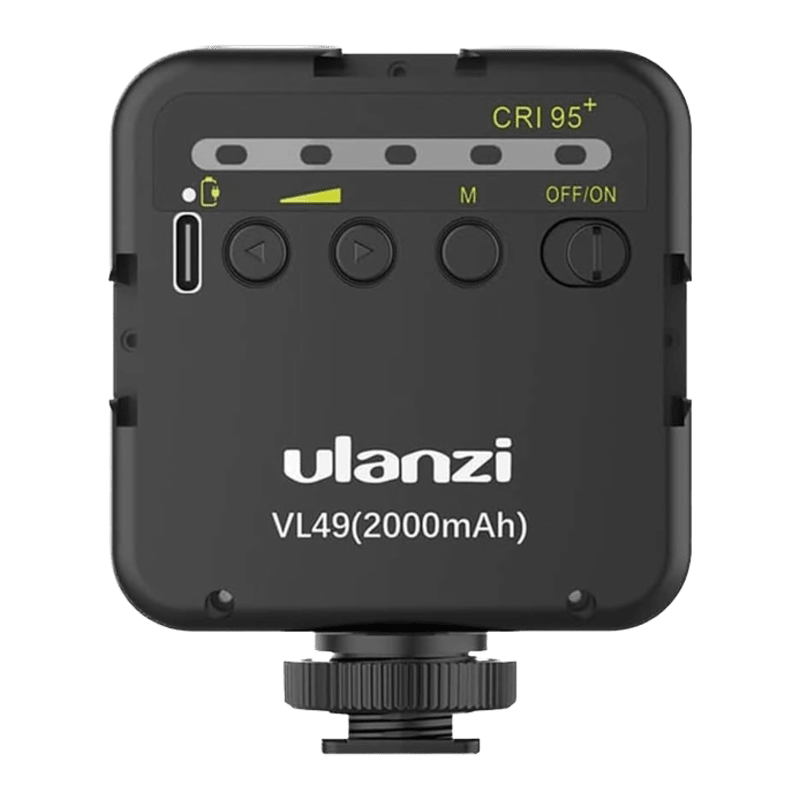
Ulanzi VL49 Mini LED Light
Night markets and street food stalls are lit from above by fluorescent tubes, which puts shadows under every eye. Held low and off to the side, this lifts a face without killing the colour of the stall behind. Ask first; it is bright.
Checked Monday
Zeiss
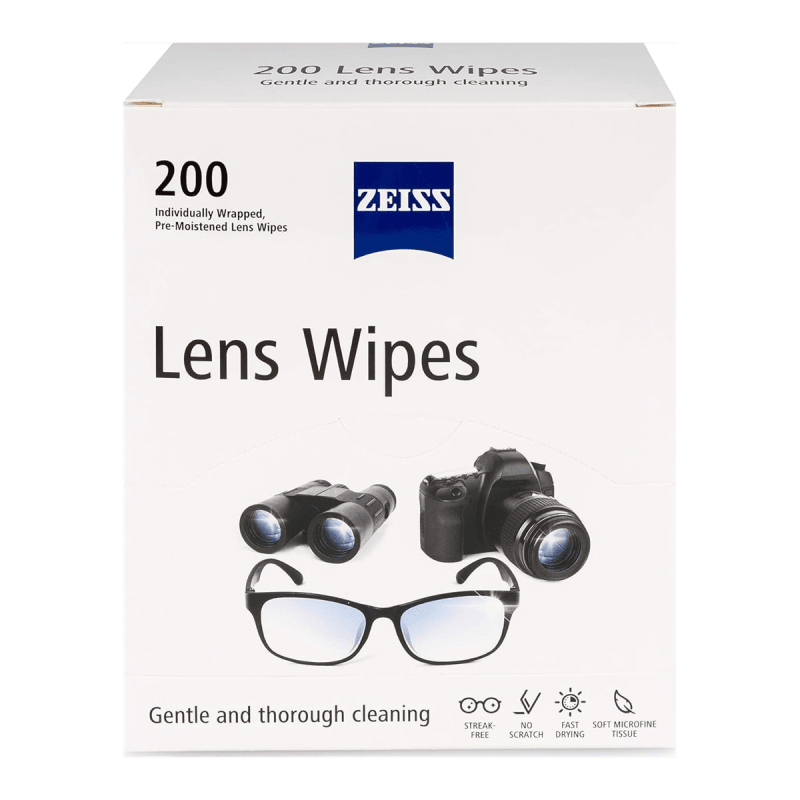
Zeiss Lens Wipes (200)
Humidity fogs a lens the moment you leave air-conditioning, and street dust settles on it within the hour. A microfibre cloth just moves the grime around. Three of these a day is the realistic number.
Checked Monday
JJC
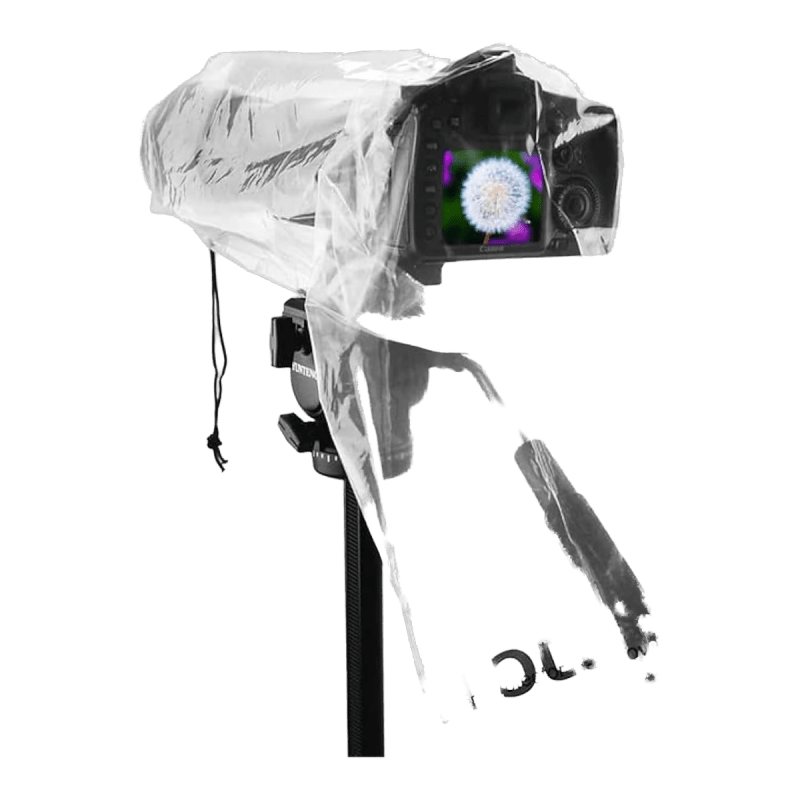
JJC Camera Rain Cover (2-Pack)
The rainy season does not drizzle — it arrives in twenty minutes and stops as fast. From May to October in the south and roughly June to August in the north, an afternoon shoot that started dry will end wet, and the best street light of the day is often ten minutes after the rain stops. This is what lets you still be outside when it does.
Checked Monday
 Plug & Play
Anker
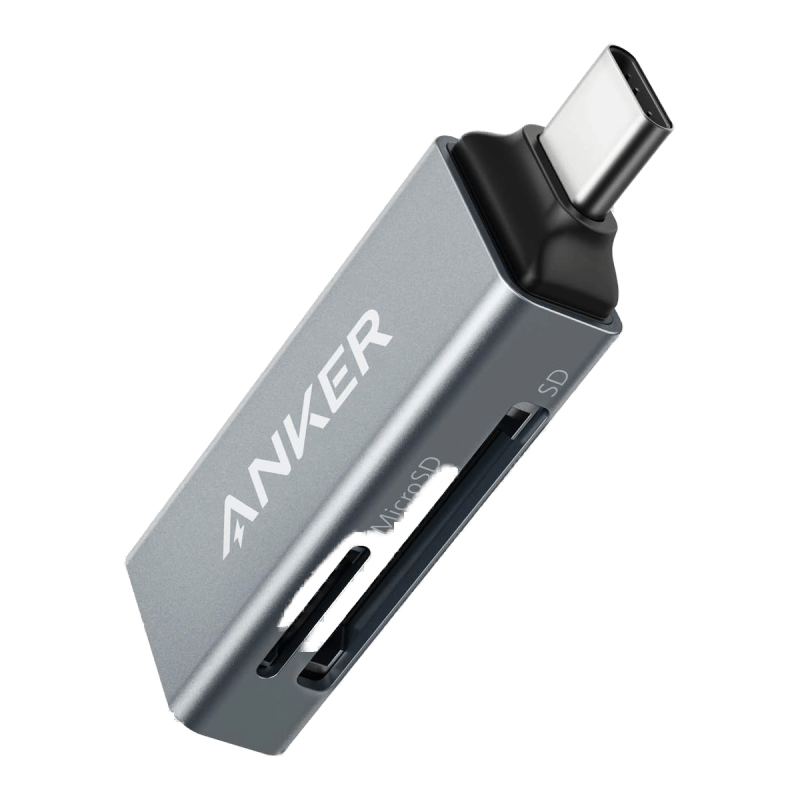
Anker 2-in-1 USB-C Card Reader
Reads SD and microSD from any USB-C port — laptop, iPad, or phone. Cheap enough that most photographers own two. If you're editing on the road or transferring to a portable SSD backup, this is the link in the chain you don't want to fail. Anker's build quality is consistent, and the transfer speeds are fast enough not to slow down a culling session.
Checked Monday
 Midday Essential
K&F Concept
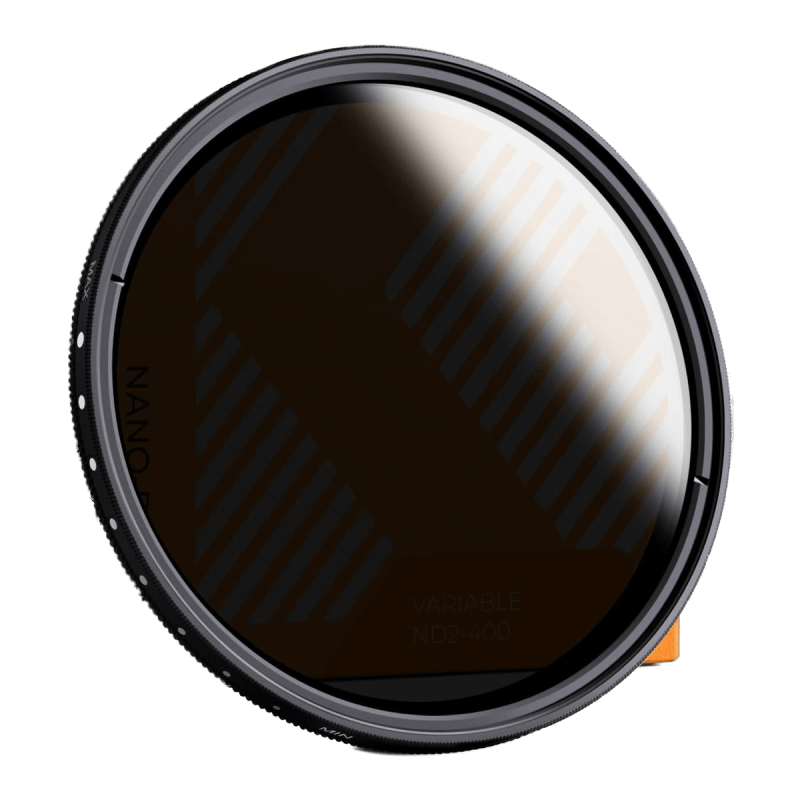
K&F Concept Variable ND Filter 49mm
Vietnam's midday sun is brutal — shooting wide open at f/1.4 or f/2 is impossible without an ND filter. A variable ND (ND2–400) lets you dial from two to nine stops without swapping filters. The 49mm thread fits the GR IIIx, GR III, and the X100VI via adapter ring. Near-essential for golden hour and any scene where shallow depth of field matters in bright daylight.
Checked Monday
Field BackupSamsung
Samsung T7 Shield 1TB
Out of stock at AmazonIP65 dust and water resistant, drop-proof to 3 metres, and fast enough to back up a day's RAW files in minutes. For multi-week Vietnam trips, losing a memory card is a real risk — a portable SSD backup eliminates it entirely. Small enough to lose in a jacket pocket, and the single best insurance policy for your images on the road.
Checked Monday
 Essential
SanDisk
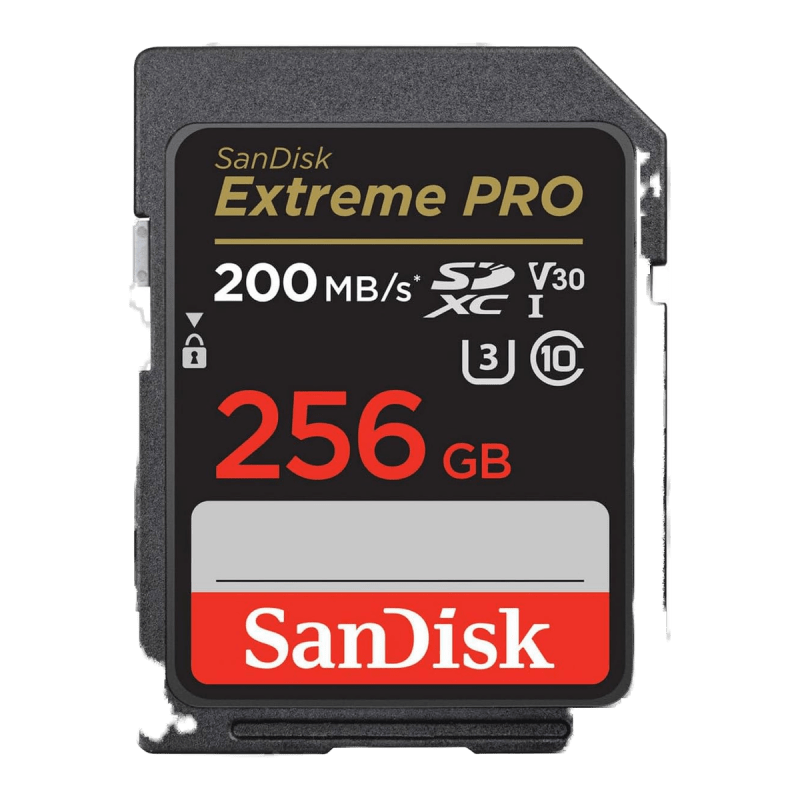
SanDisk Extreme Pro 256GB SD
200MB/s write speed handles continuous RAW bursts without buffer lag. In Vietnam's unpredictable light, you often shoot in short intense bursts — a slow card introduces a hesitation that costs you the shot. 256GB holds a full day of RAW files comfortably. Always carry a spare.
Checked Monday
 Waterproof + Signal-Proof
SLNT
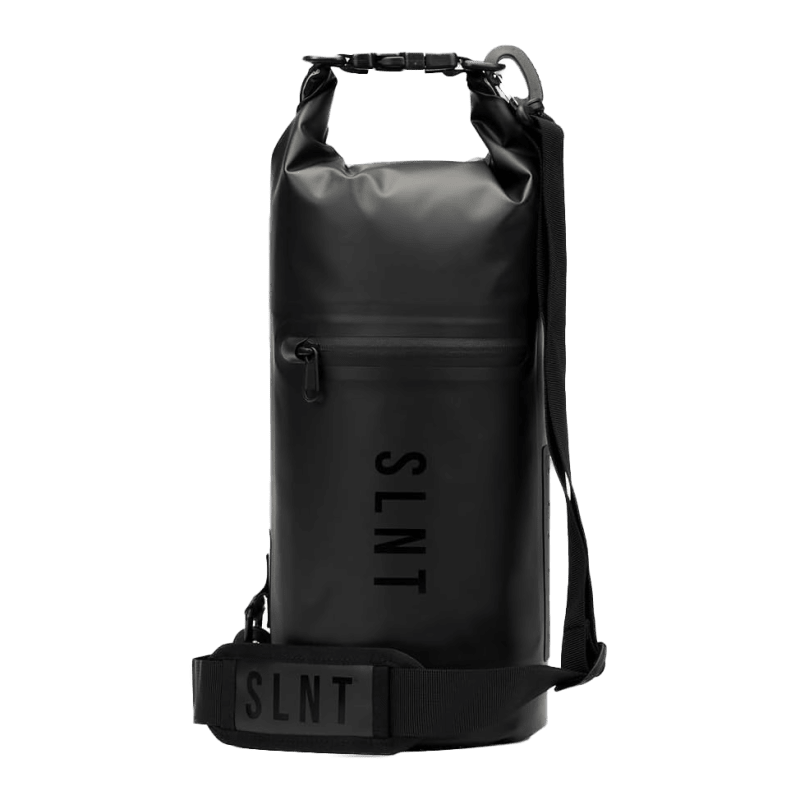
SLNT Faraday Dry Bag 2L
Waterproof roll-top dry bag with built-in Faraday shielding that blocks all wireless signals — GPS, WiFi, Bluetooth, cellular. Keeps memory cards, phone, and batteries dry during Mekong Delta boat trips and Hoi An rainstorms, while also protecting against digital pickpocketing and location tracking. Two layers of protection in one bag.
Checked Monday
 Daily Use
VSGO
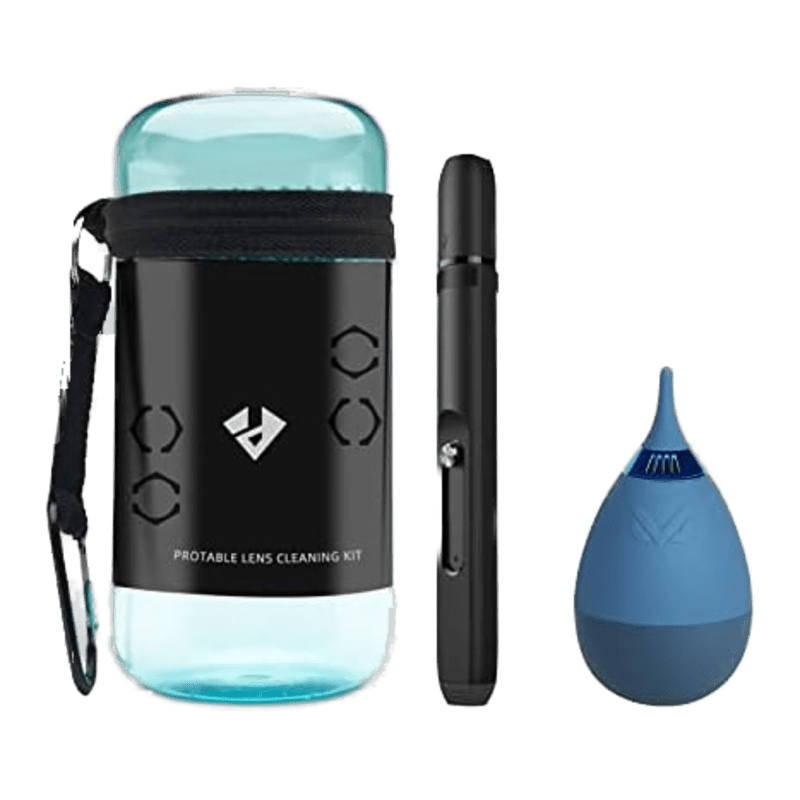
VSGO Camera Lens Cleaning Kit
Air blower, lens pen, microfiber cloths, and portable cleaning solution in one compact kit. Saigon's humidity and street dust are relentless — a smudged front element or dusty sensor spot shows up in every frame. Five minutes of cleaning at the end of a shoot day keeps your glass performing. The air blower alone justifies the kit.
Checked Monday
EssentialWasabi Power
Wasabi Power NP-W126S Battery 2-Pack
Fits the X100VI, X-T5, X-M5, and most Fujifilm bodies. Battery life is the one thing that ends a shoot early — a two-pack gives you a full day in Vietnam's heat without rationing shots. Wasabi Power batteries perform consistently close to OEM spec at a fraction of the price. Buy two packs and you never run out mid-session.
Checked Monday
Humidity ControlWisedry
Wisedry Silica Gel Packets 12-Pack
Rechargeable desiccant packets that absorb moisture inside your camera bag or dry box. Orange indicator beads turn green when saturated — microwave for two minutes to reactivate. Vietnam's year-round humidity (70–90% in Hanoi and Saigon) will fog lenses and corrode contacts over time. The cheapest protection you can buy.
Checked Monday
Film
Stocks that hold up in tropical heat and mixed light, for the photographers shooting Vietnam on negative.
 Film
FilmCineStill
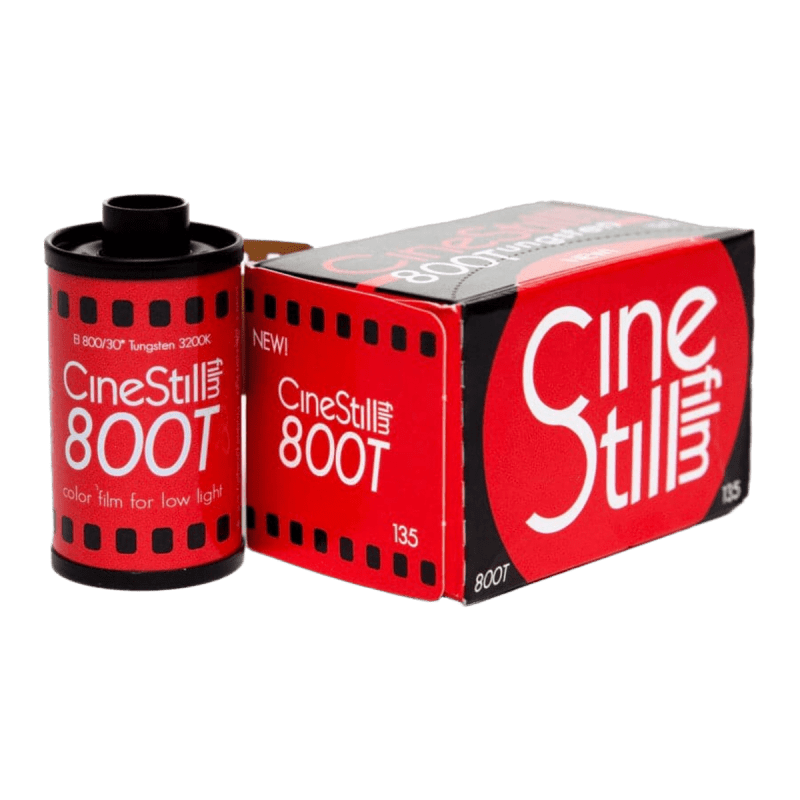
CineStill 800T
Made for Vietnam at night: neon shop signs, wet streets after rain, motorbike headlights trailing through Bui Vien. No digital simulation gets the halation right.
Checked Monday
 Film
FilmPentax
Pentax 17
Half-frame means one roll lasts a whole weekend in Hanoi, and fewer rolls through airport X-rays. Zone focus is the classic street discipline — set it to two meters and shoot the market without ever looking down.
Checked Monday

Kodak
Kodak Portra 400
Overexpose a stop in Vietnam's midday sun and Portra holds the highlights that fry every other stock. The warm bias flatters the ochres and greens of the Mekong. It is expensive, which is the honest reason most of us shoot UltraMax instead.
Checked Monday

Ilford
Ilford HP5 Plus 400
The flatter curve is an asset in Vietnamese light, where Tri-X can go to black in the shadows of an alley by 10am. HP5 keeps the shadow detail under the awnings and still pushes for the night markets.
Checked Monday
 Film
FilmKodak
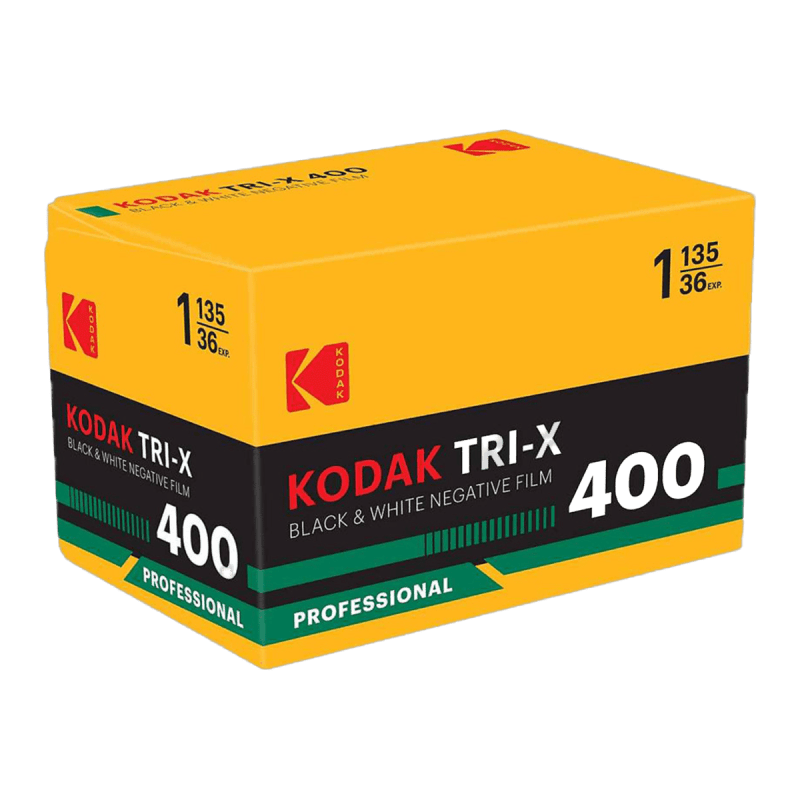
Kodak Tri-X 400
Pushed to 1600 it handles Vietnam's dark alleys and rainy evenings on a zone-focus camera. The contrast loves harsh tropical light that flatters no color stock.
Checked Monday
 Best Value
Kodak
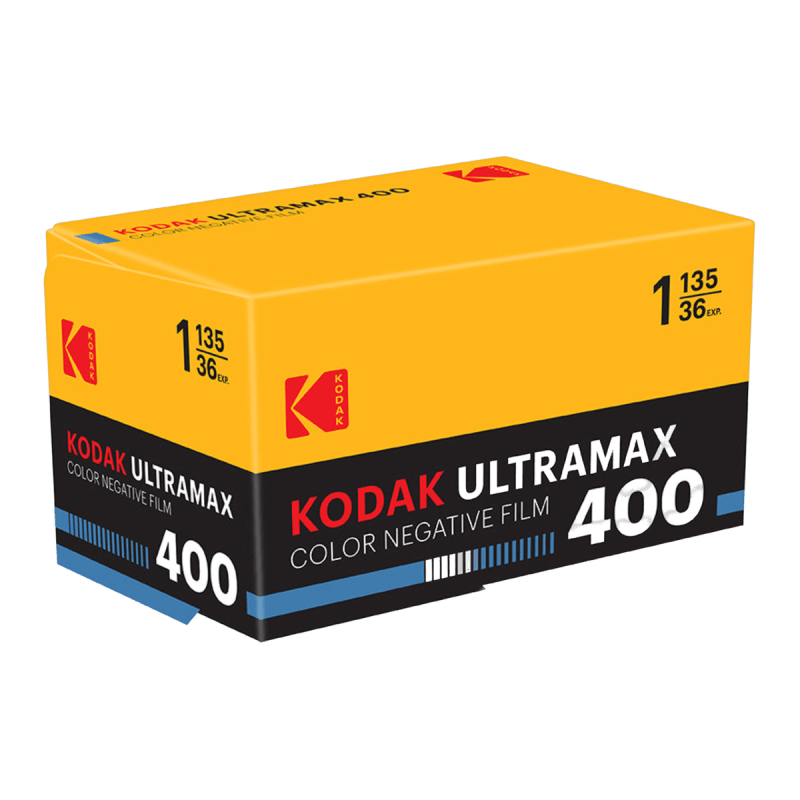
Kodak UltraMax 400
Cheap enough to shoot loose in the markets, warm enough to flatter Vietnam's yellows and greens. This is the stock for learning film without doing math per frame.
Checked Monday
Tripods
Night photography demands stable support. These cover the spectrum from ultralight to professional.
K&F Concept
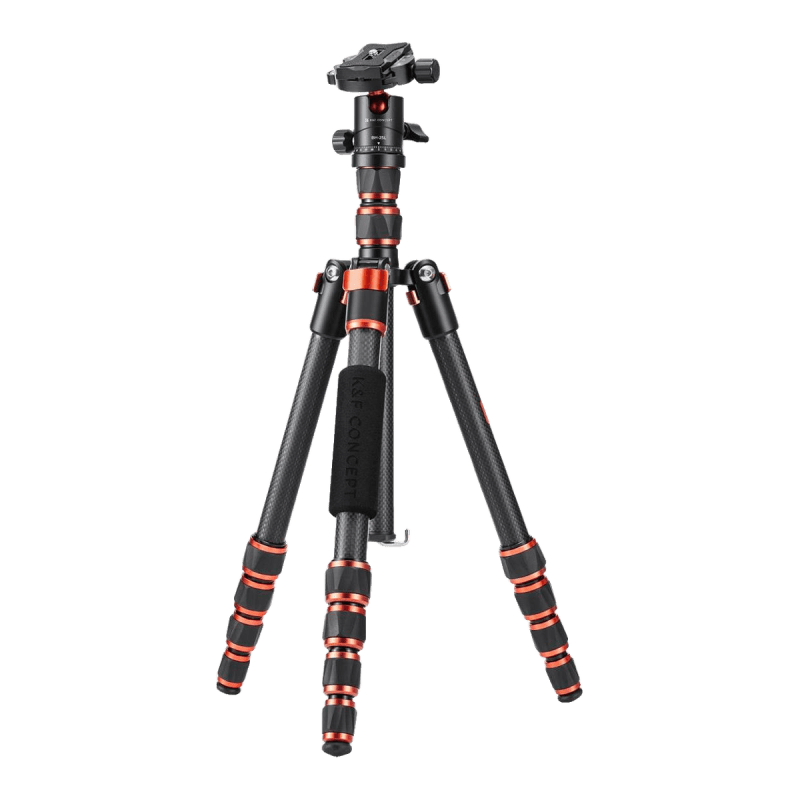
K&F Concept 60" Carbon Tripod with Detachable Monopod
Useful on a long trip that mixes cities with landscape — Sa Pa and Ha Giang reward a tripod, Saigon and Hanoi punish you for carrying one. Being able to leave two legs at the hotel and take the column out for an evening in the city is the whole point.
Checked Monday
Cayer
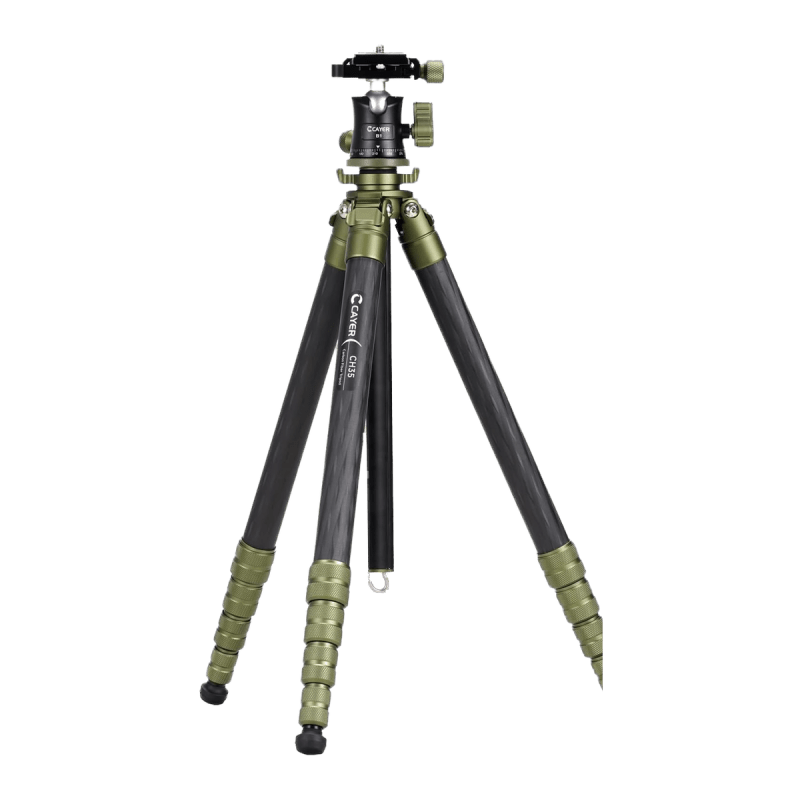
Cayer CH35 Carbon Travel Tripod
Humidity is what kills tripods here, not impact. Twist locks can be opened fully and rinsed after a day on the coast or in the Delta, which is the single thing that keeps leg sections from seizing. Carbon also matters more than it sounds: aluminium legs left in a Saigon afternoon get genuinely too hot to fold.
Checked Monday
Sirui
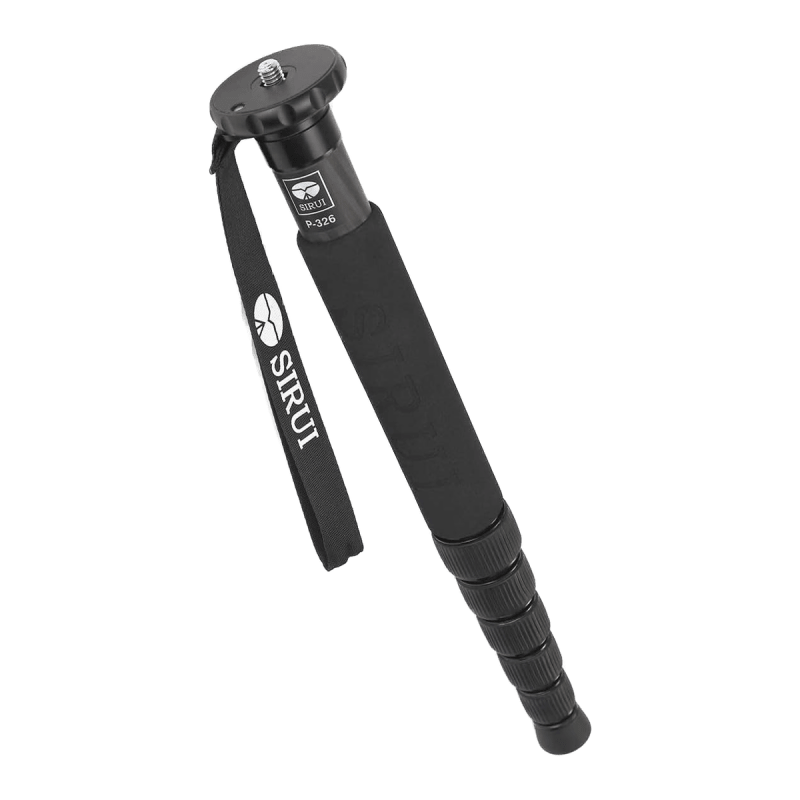
Sirui P-326 Carbon Monopod
Pavements in Hanoi and Saigon are full — parked motorbikes, plastic stools, kitchens. There is frequently no floor space for three legs, and setting a tripod down in a night market means blocking a walkway people are actively using. A monopod occupies one foot of ground and moves when you move.
Checked Monday
Manfrotto
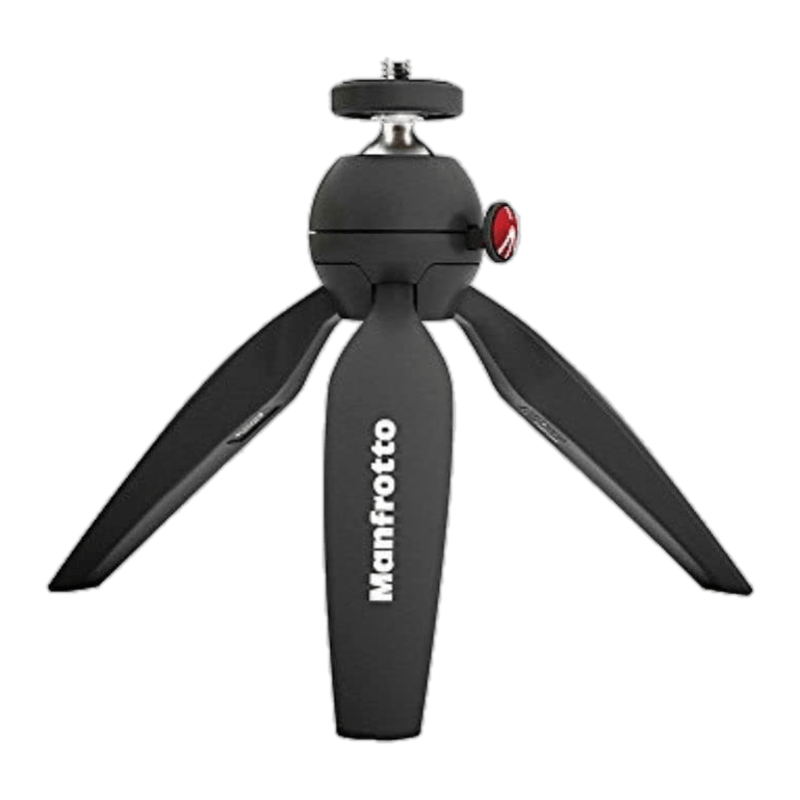
Manfrotto PIXI Mini Tripod
Cafés are the workspace here, and almost every one has a low table. A PIXI turns any of them into a rest for a two-second exposure of the street outside. It also fits the reality of shooting from a bahn mi cart or a plastic stool at knee height — a full tripod cannot go that low without effort.
Checked Monday
 Flexible
Joby
Joby GorillaPod 3K Kit
Flexible legs wrap around motorbike handlebars, railings, and street furniture for creative angles in Vietnam's cramped alleys and narrow shophouses. Supports cameras up to 3 kg, ball head included, and it fits in a jacket pocket. The budget-friendly choice for photographers who need occasional stability without carrying a full tripod.
Checked Monday
 Best Overall
Peak Design
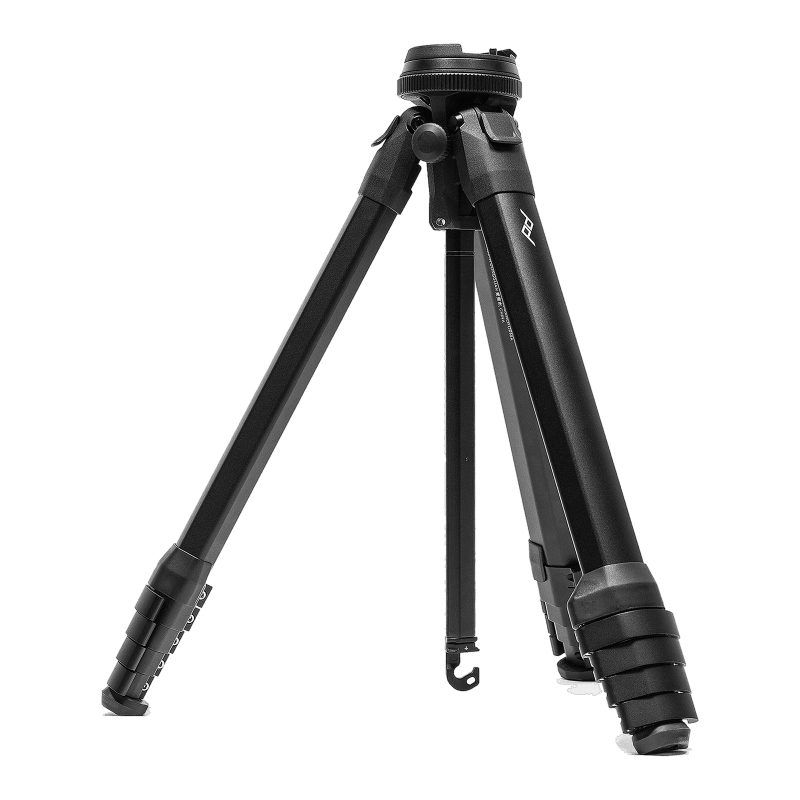
Peak Design Travel Tripod (Aluminum)
Folds down to the diameter of a water bottle and sets up in seconds. Full-size stability in a genuinely portable package — ideal for blue-hour shots on Hanoi's Hoan Kiem Lake or long-exposure night markets without lugging a traditional tripod through a packed alley. Ball head included, Arca-Swiss compatible, 20 lb capacity.
Checked Monday
Editing Software
The tools our community uses to process and present their work.
 Film Looks
DxO
DxO FilmPack 8
Most of this community shoots Fujifilm and leans on the in-camera film simulations. This is how the Sony, Canon, Nikon and OM shooters get to the same place — and how Fuji shooters reach stocks Fujifilm never wrote a recipe for. Runs standalone or as a plugin to Lightroom and Photoshop.
Checked Monday
 For Film Shooters
Negative Lab Pro
Negative Lab Pro
Film is cheap to shoot and cheap to develop in Vietnam, and lab scans vary wildly between shops in Saigon and Hanoi. Converting the negatives yourself is what makes two rolls from two different labs look like the same photographer took them. One licence covers two machines and upgrades are free, so it is a single $99 rather than another subscription.
Checked Monday
 Most Used
Adobe
Adobe Lightroom Classic
The industry standard for good reason: catalogue management, powerful preset system, reliable colour science, and a mobile sync that means edits you make on desktop show up on your phone. Most Vietnam Streets photographers use it daily. The learning curve is worth it — the workflow it enables is fast enough for consistent posting.
Checked Monday
 Professional
Capture One
Capture One 24
Superior colour science, especially for Fujifilm files. If the X100VI or X-T5 is your primary camera, Capture One renders the film simulations and colour profiles with noticeably better accuracy than Lightroom. Steeper learning curve and higher price, but photographers who switch rarely go back. The best choice for anyone serious about colour.
Checked Monday
 Photojournalist Standard
Camera Bits
Photo Mechanic
A morning in Chợ Lớn or an afternoon in District 1 produces hundreds of frames, and the real bottleneck is not editing them, it is deciding which twelve are worth editing. This is the tool built for that job and nothing in Lightroom is close on speed. It also writes IPTC caption and credit fields properly, which matters the first time you submit work anywhere.
Checked Monday
 Mobile
VSCO
VSCO — Film Presets
The best film emulation presets for mobile editing. The A6, A7, and Kodak Portra-based presets work beautifully on Vietnam street work — especially for the warm, slightly faded look that suits the country's atmosphere. If you shoot primarily on your phone or want a fast mobile edit workflow, VSCO is where most community members start.
Camera Specs at a Glance
| Camera | Sensor | Equiv. FL | Weight | Price | Best For |
|---|---|---|---|---|---|
| Fujifilm X100VI | APS-C 40MP | 35mm | 521g | ~$1,799 | All-Rounder |
| Ricoh GR IIIx HDF | APS-C 24MP | 40mm | 262g | ~$1,347 | Max Stealth |
| Fujifilm X-T5 | APS-C 40MP | Interchangeable | 557g | ~$1,999 | Flexibility |
| Fujifilm X-M5 | APS-C 26MP | Interchangeable | 355g | ~$799 | Video + Stills |
| Sony ZV-E10 II | APS-C 26MP | Interchangeable | 292g | ~$748 | Beginners |
| Leica Q3 | Full-frame 60MP | 28mm | 743g | ~$6,495 | Night Markets |
| DJI Osmo Action 5 Pro | 1/1.3″ 40MP | ~20mm | 145g | ~$349 | POV Street |
| Ricoh GR IV | APS-C | 28mm | ~262g | ~$1,499 | Next Gen Pocket |
| Ricoh GR IV HDF | APS-C | 28mm | ~262g | ~$1,599 | Harsh Light |
| Ricoh GR IV Monochrome | APS-C Mono | 28mm | ~262g | ~$2,199 | B&W Street |
| Sony a7C II | Full-frame 33MP | Interchangeable | 514g | ~$2,198 | Low Light |
| Fujifilm X-T50 | APS-C 40MP | Interchangeable | 438g | ~$1,399 | Film Sims |
| Nikon Zf | Full-frame 24.5MP | Interchangeable | 710g | ~$1,996 | Manual Shooting |
Browse our full gear collection on Amazon
Cameras, lenses, bags, books, travel essentials, and curated kits — all in one place. Every purchase supports Vietnam Streets at no extra cost to you.
Visit our Amazon Storefront →