Streets & Stories — Issue 08
Original Identity
Lâm Xuân Tùng
May 2026
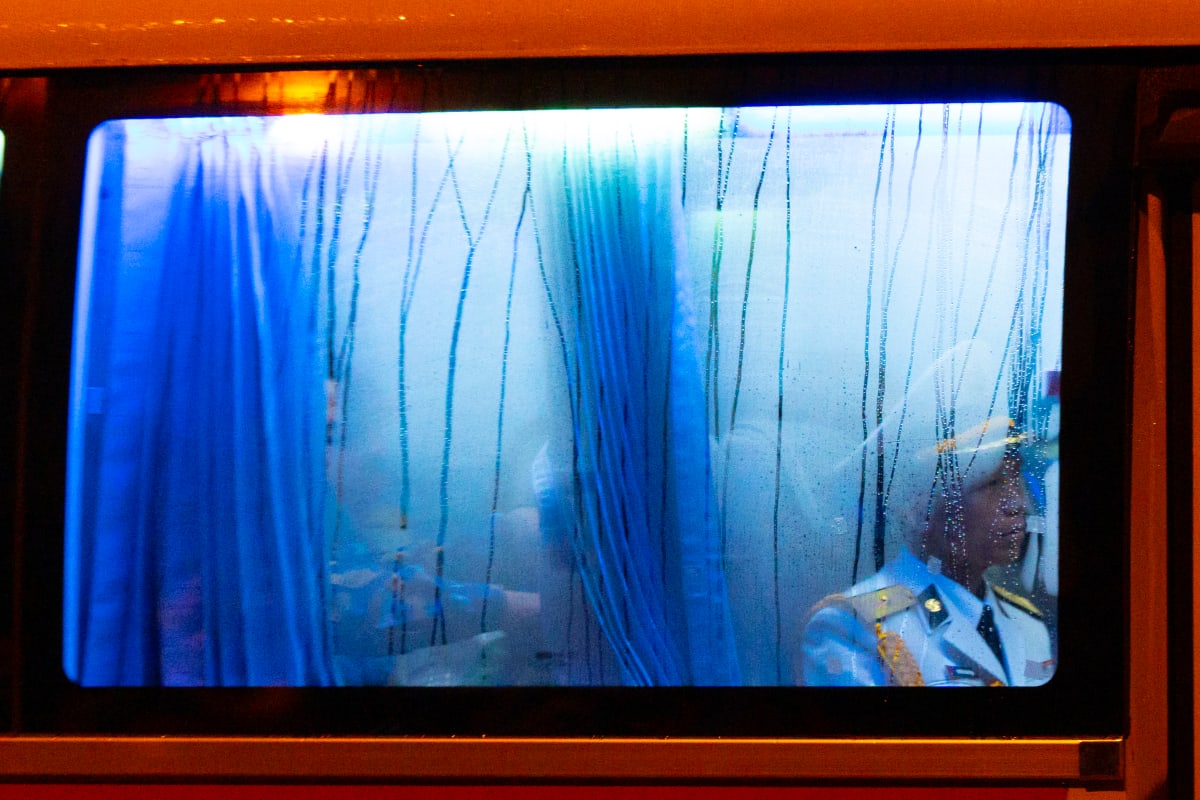
A Hanoi photographer who moves against the speed of modern image-making, using light and shadow to isolate quiet figures from the noise of the city and recover what he calls "original identity" — the self that exists before the labels.
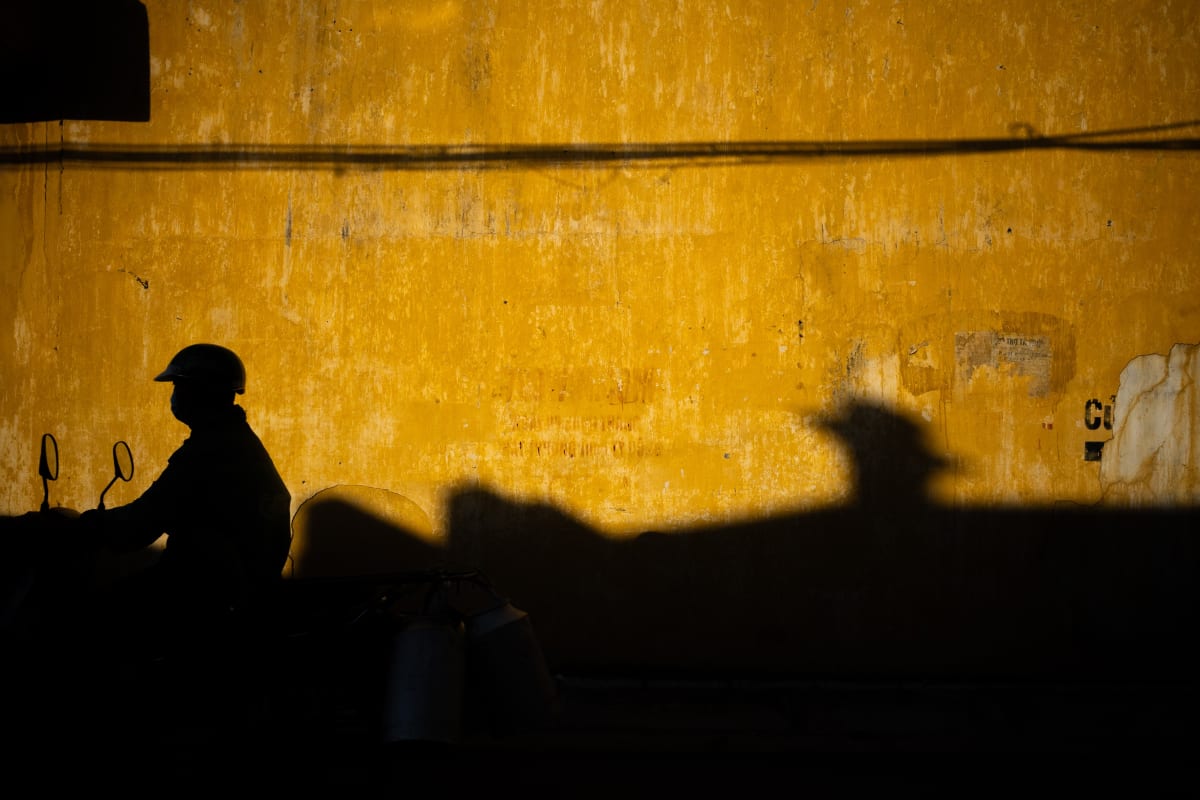
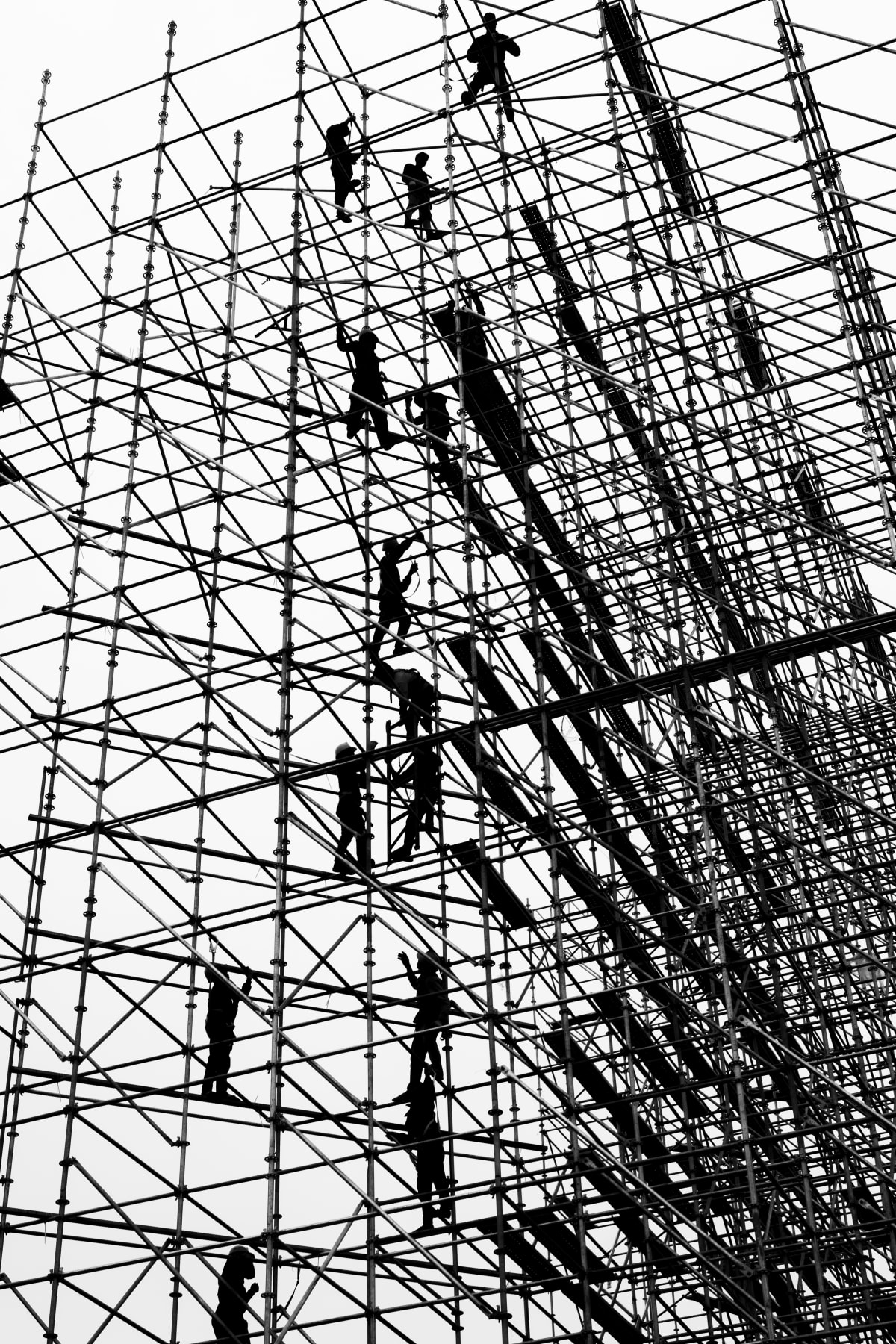
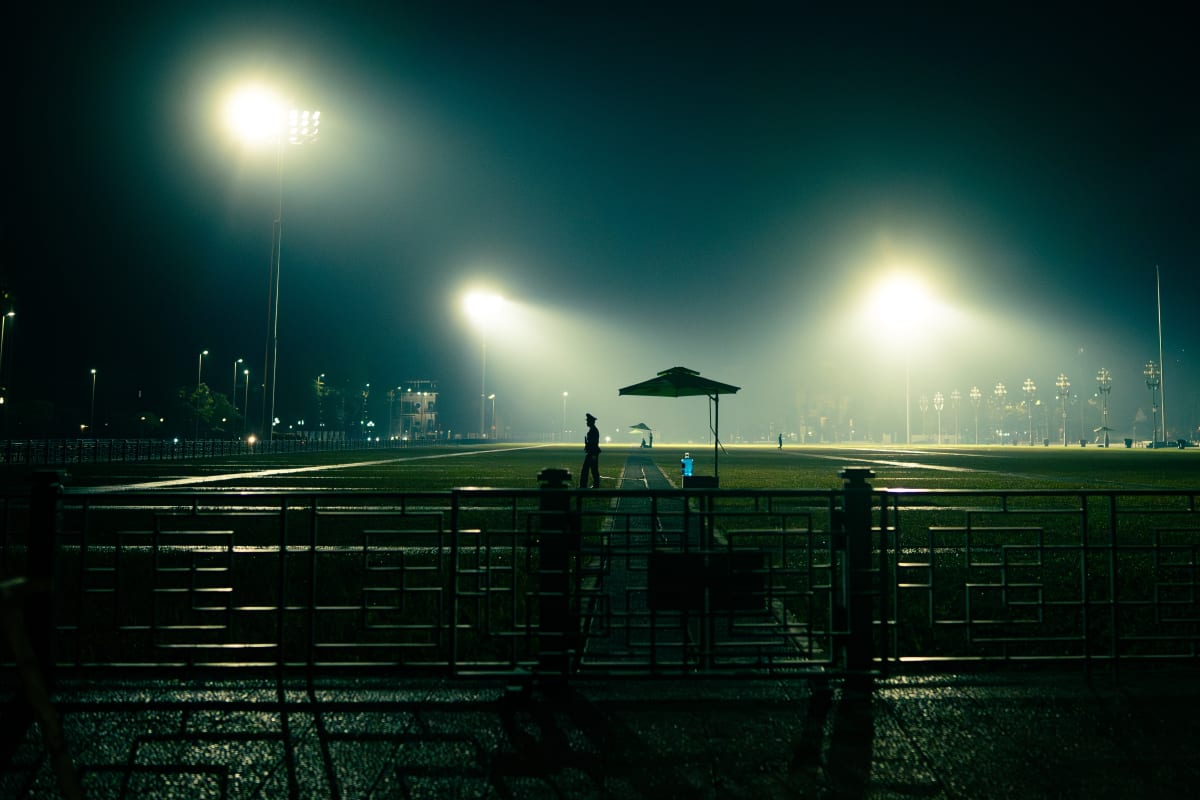
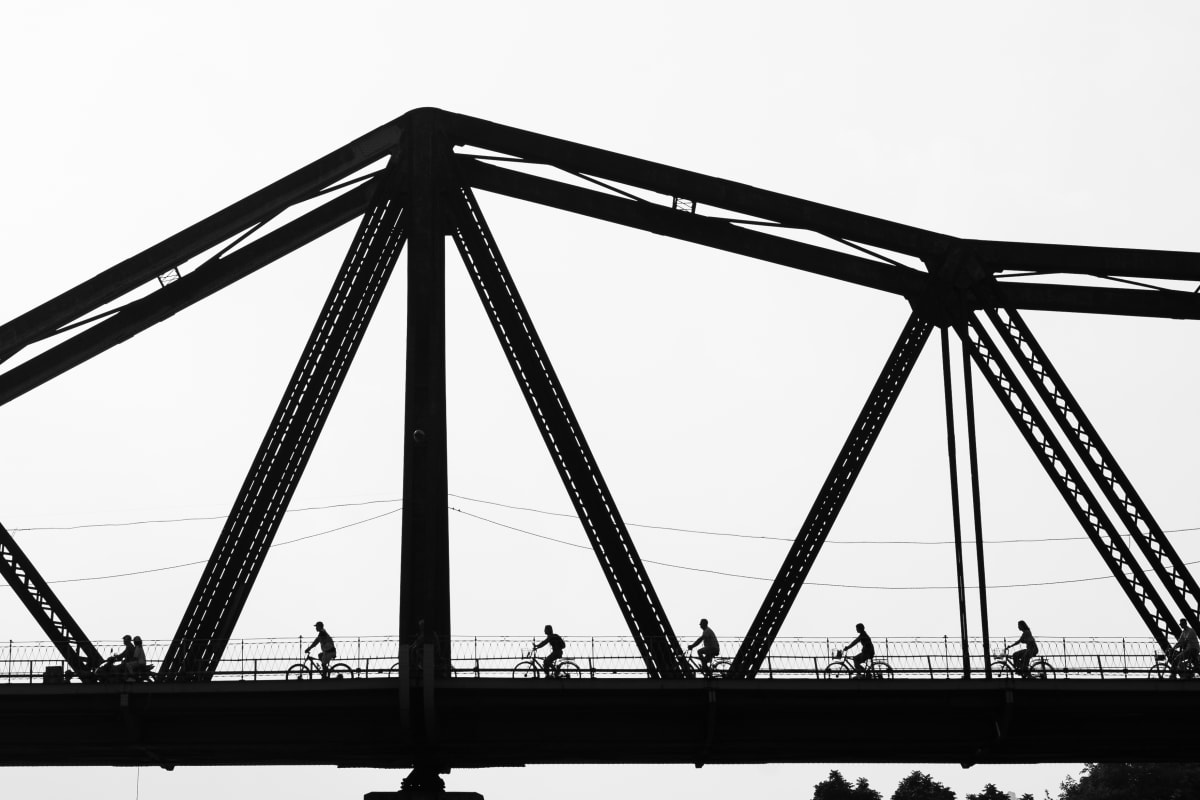
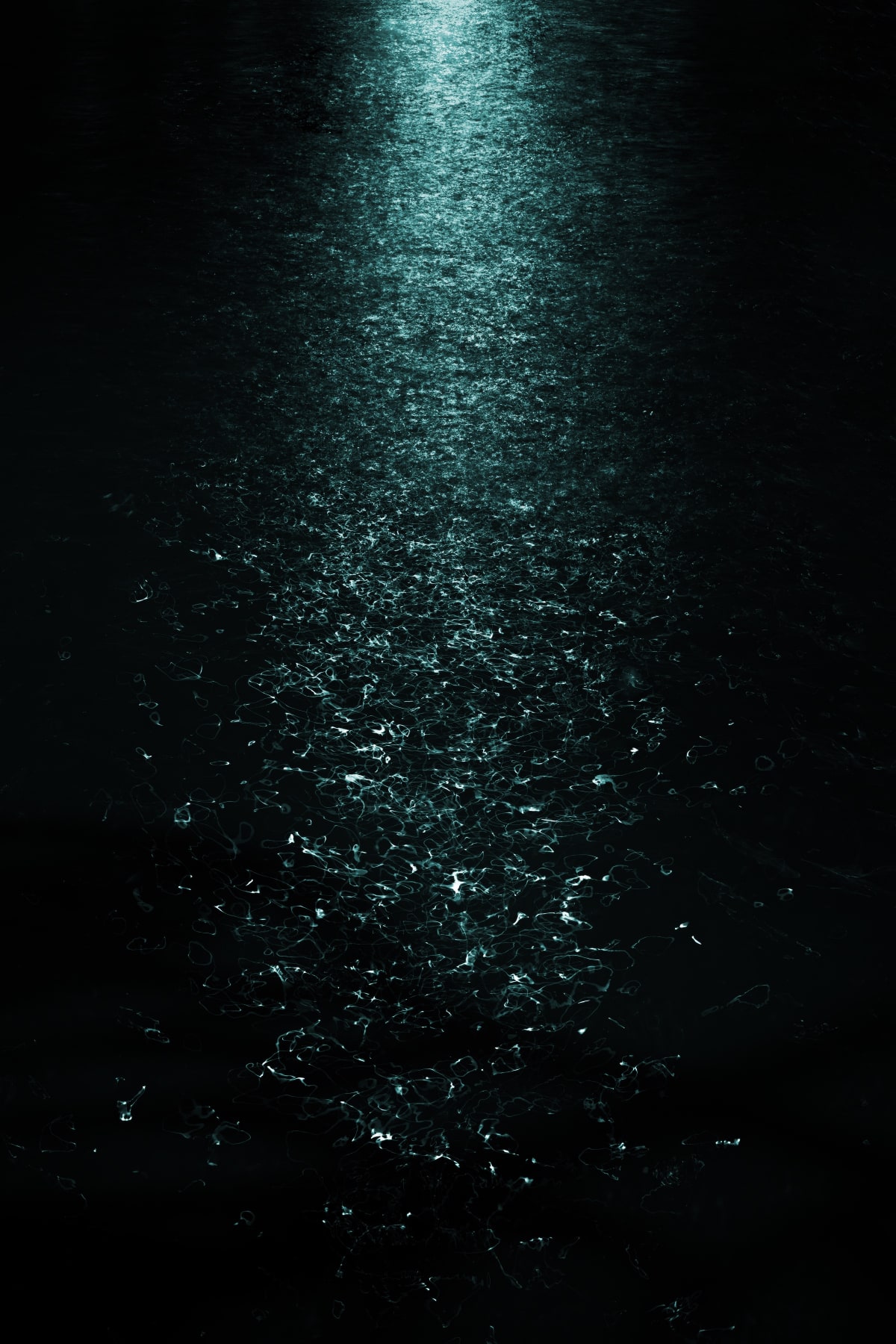
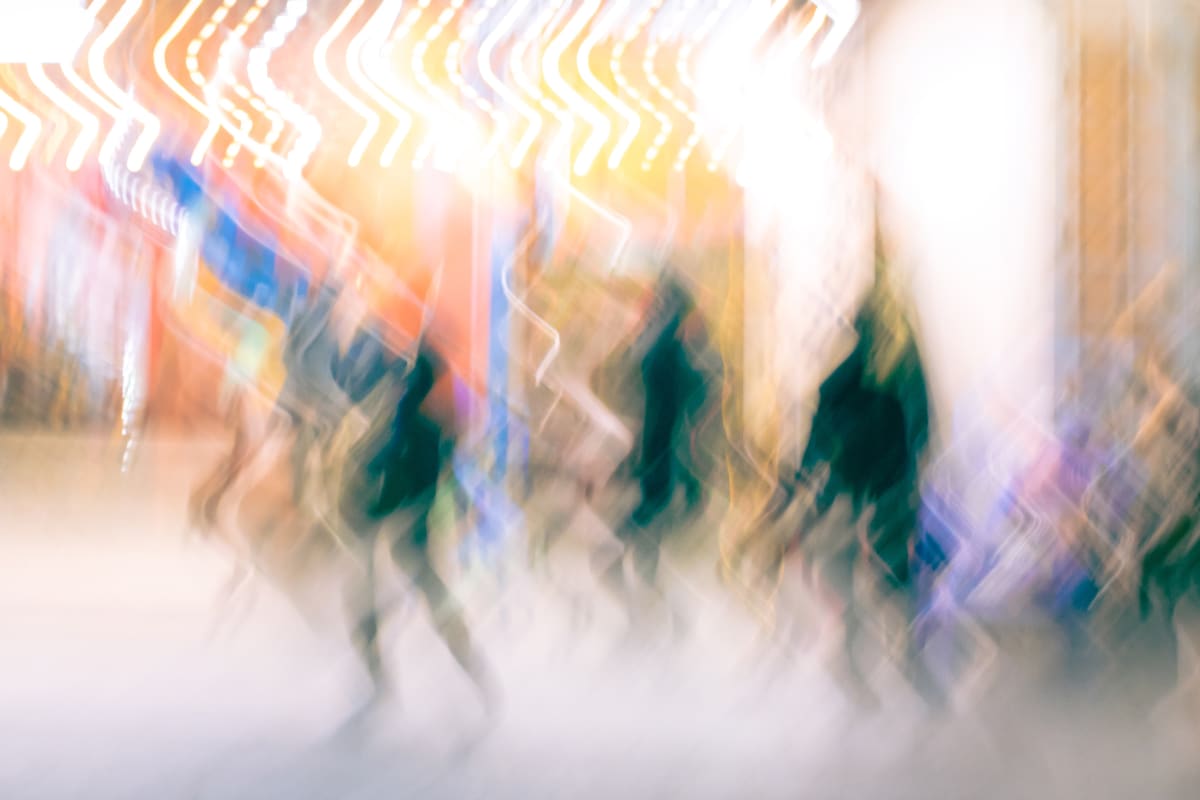
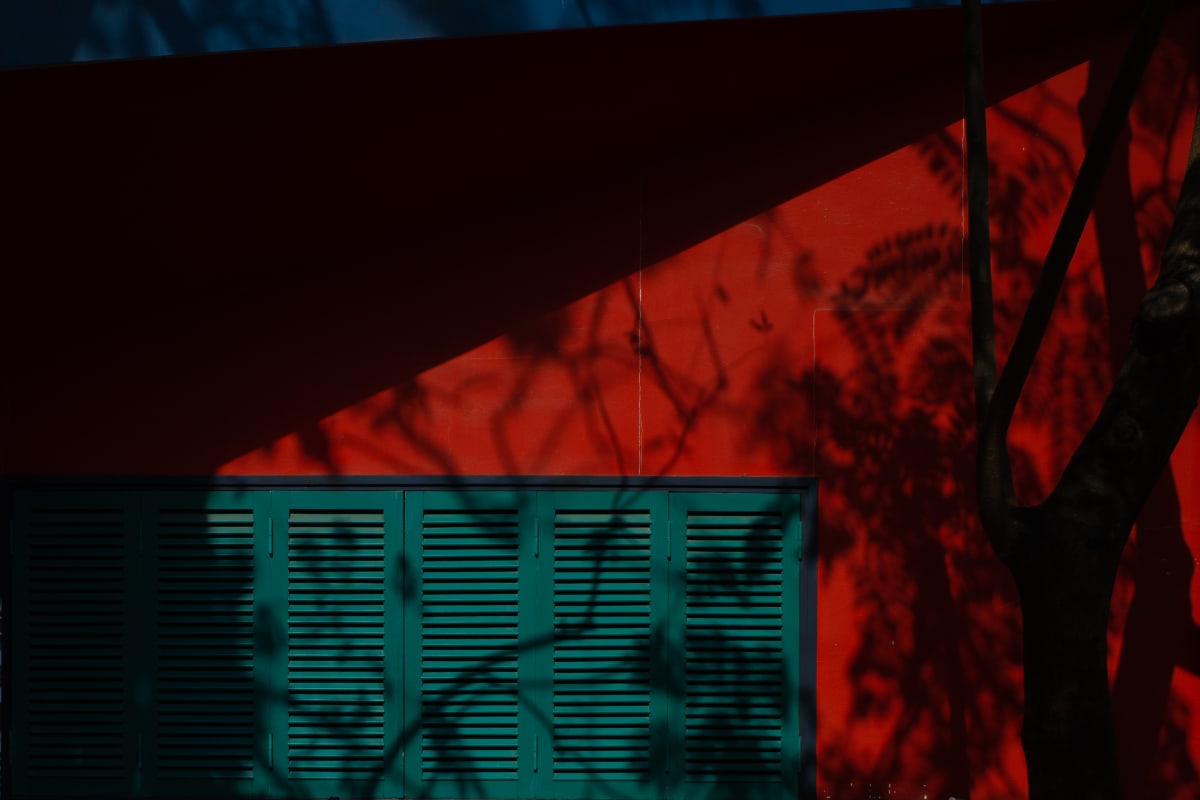
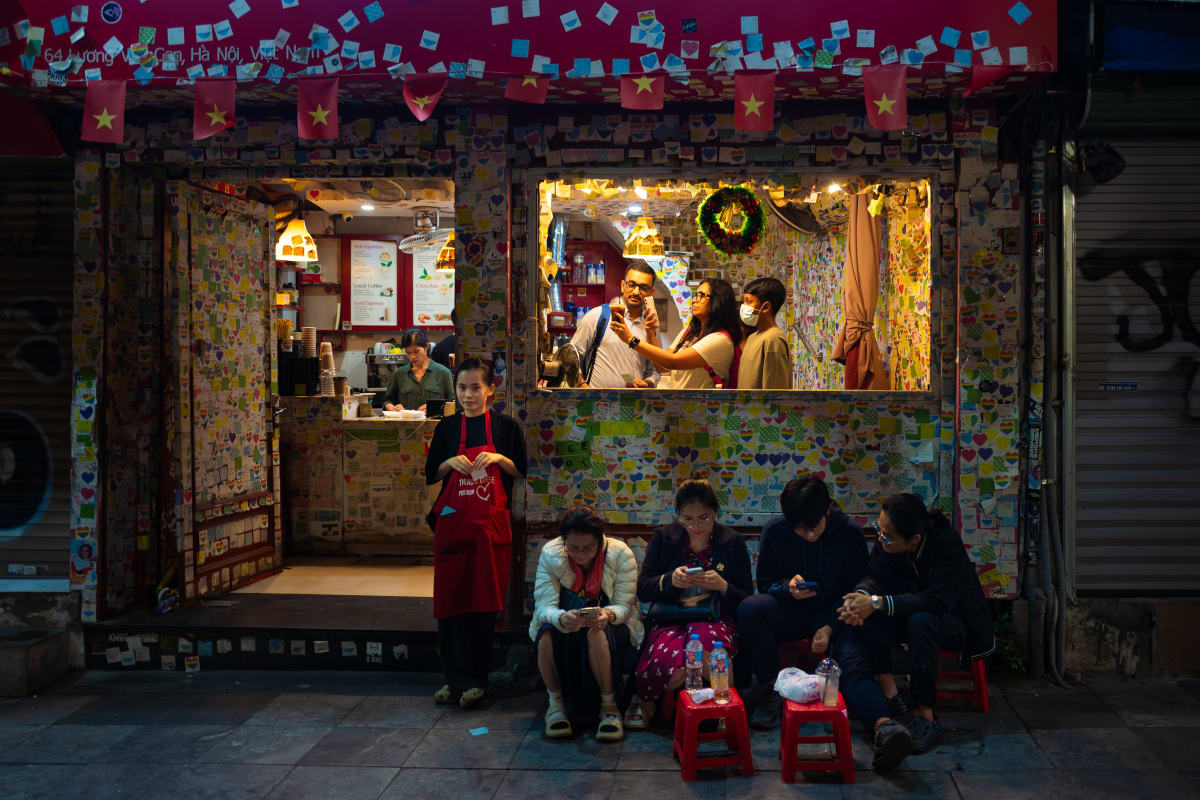
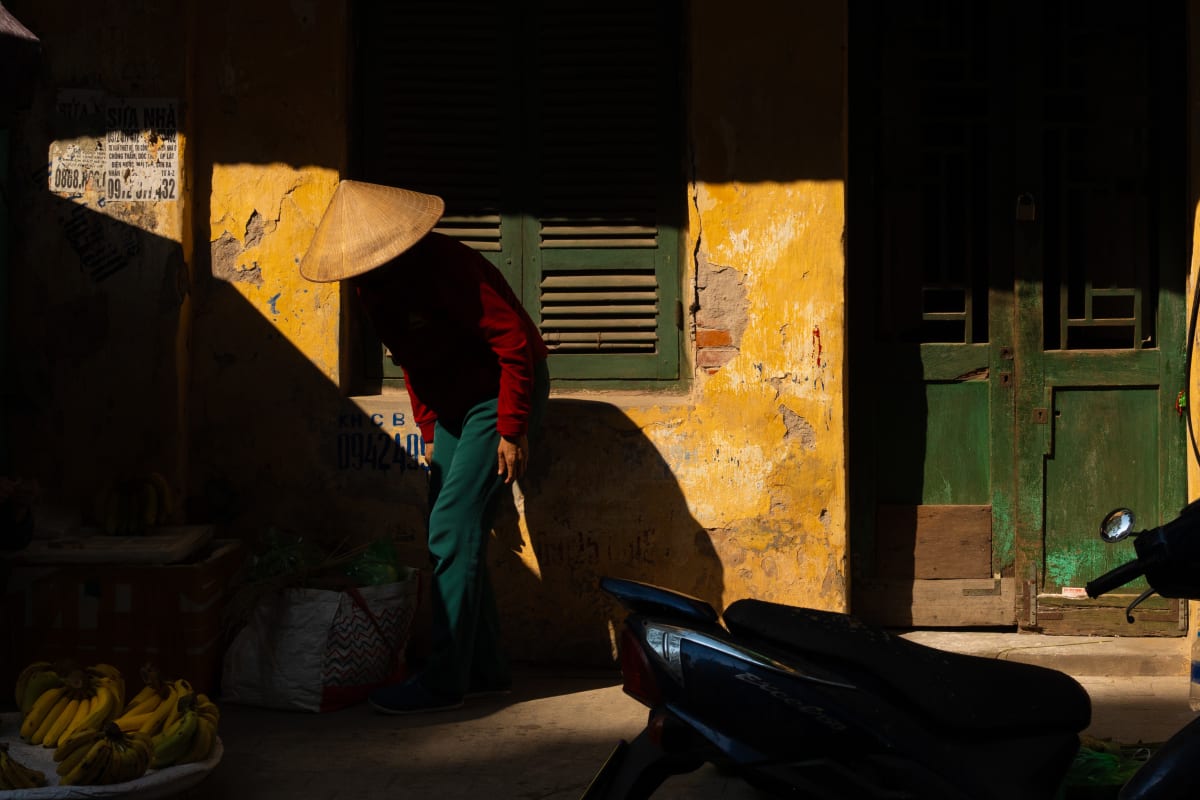
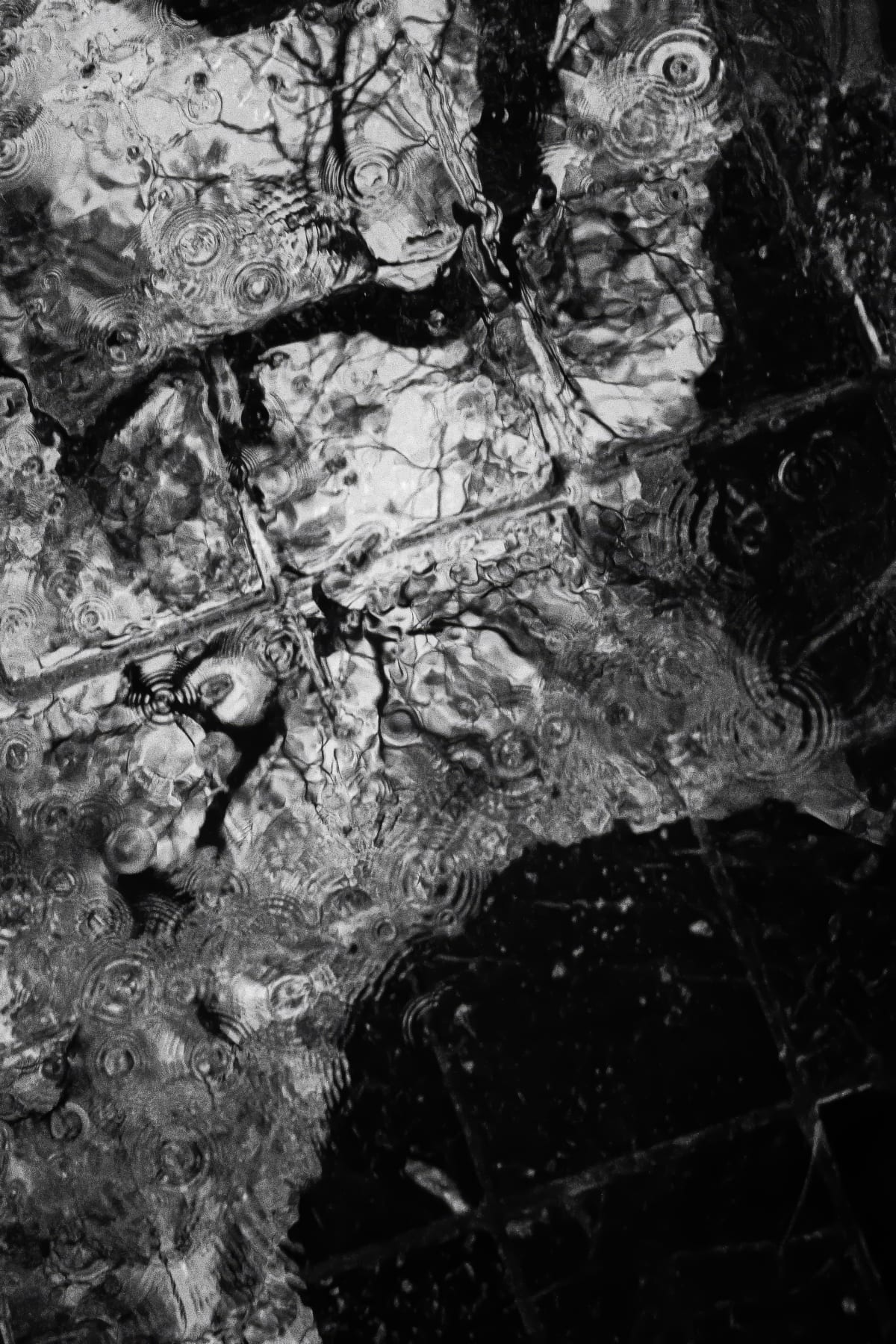
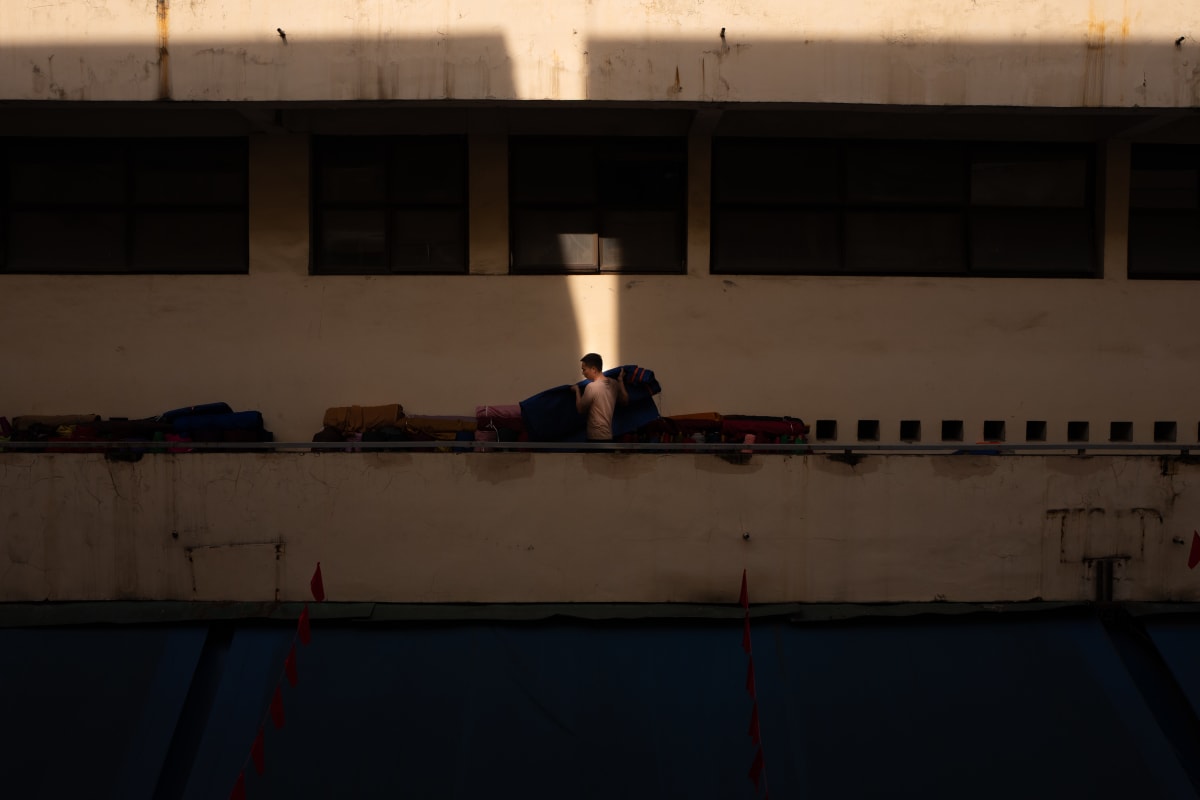
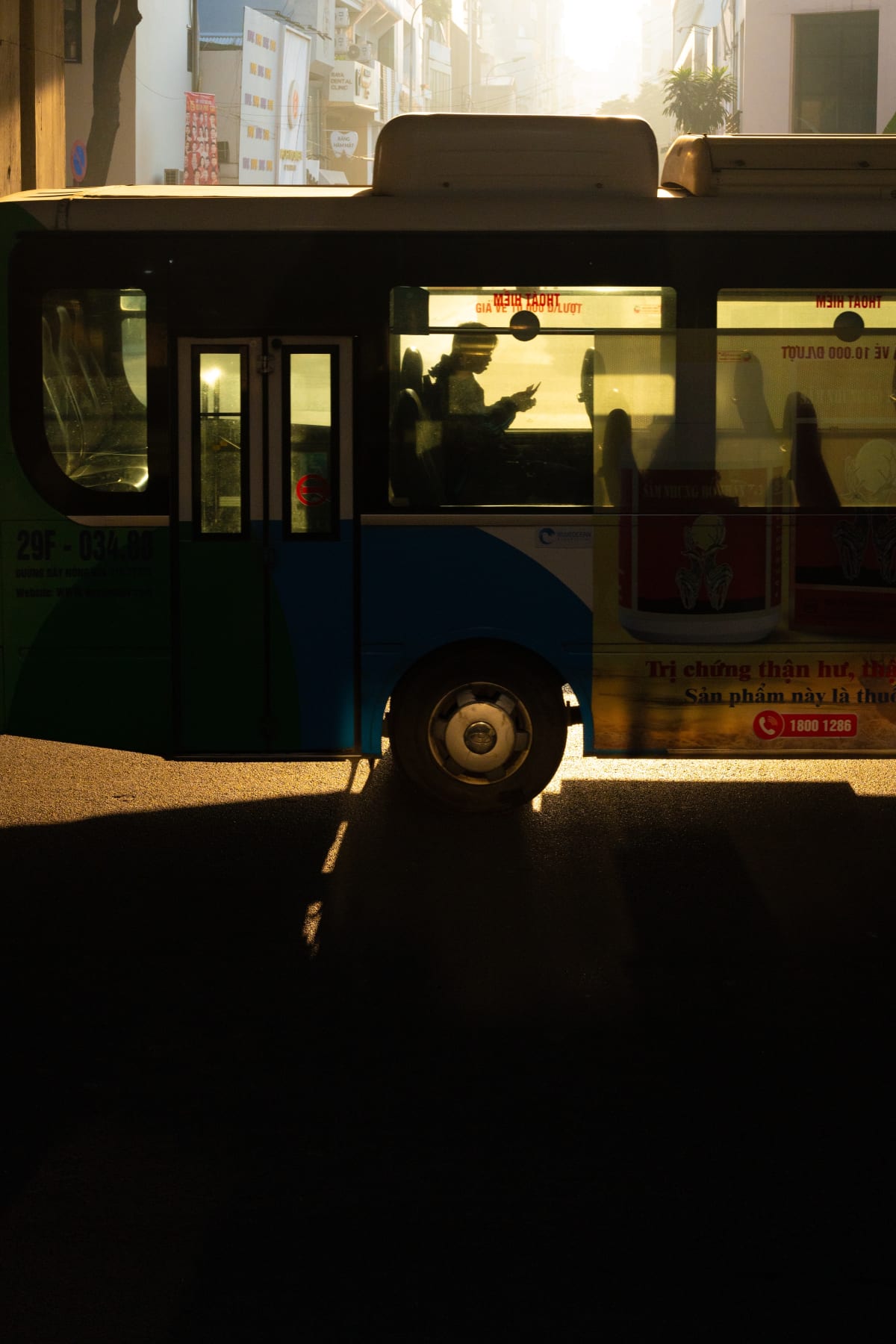
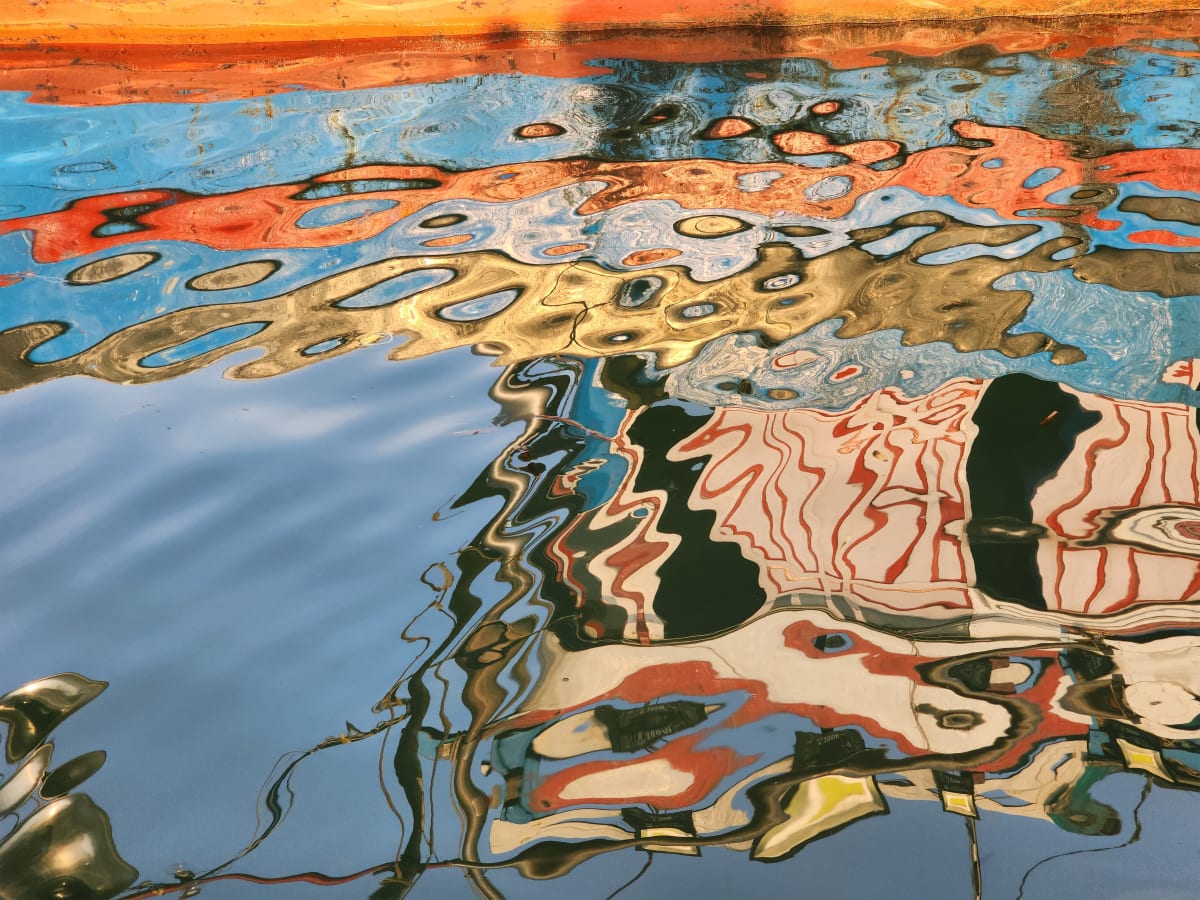
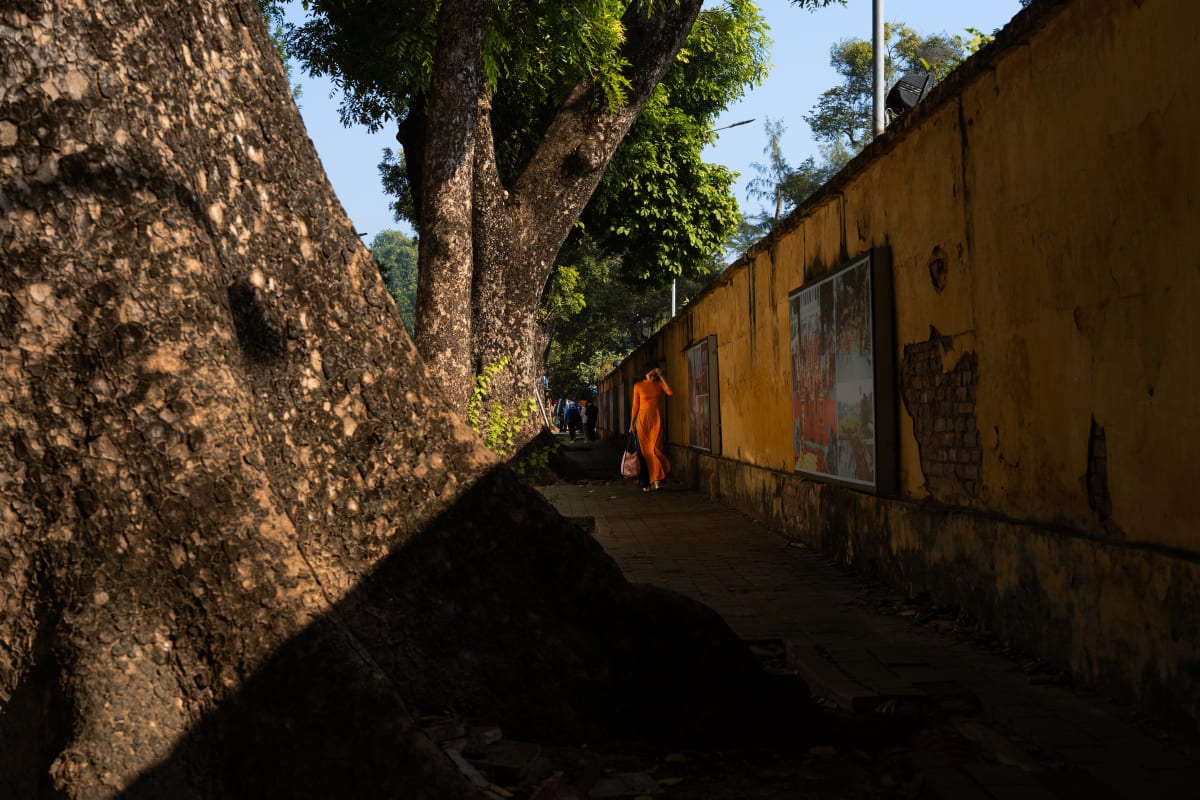
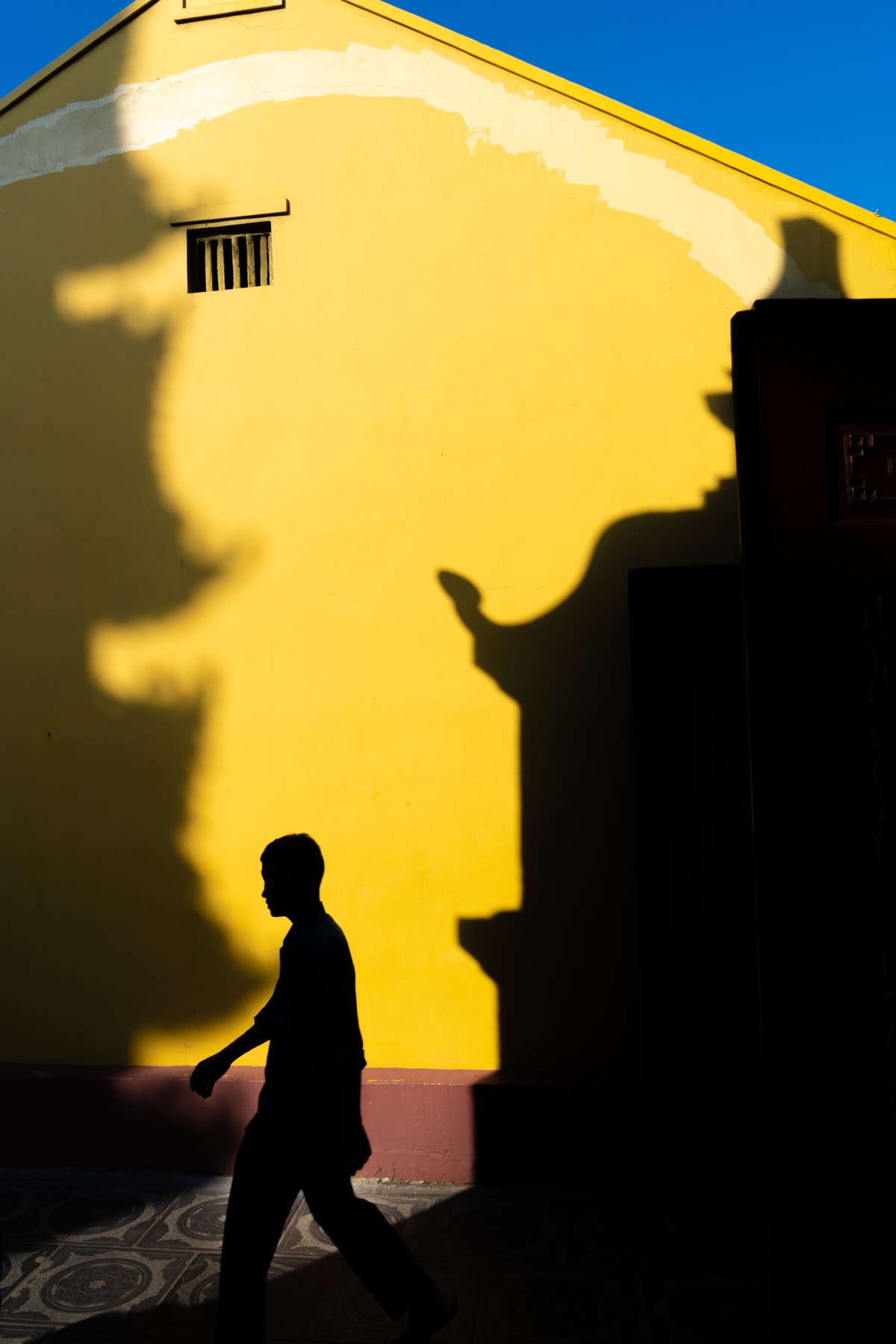
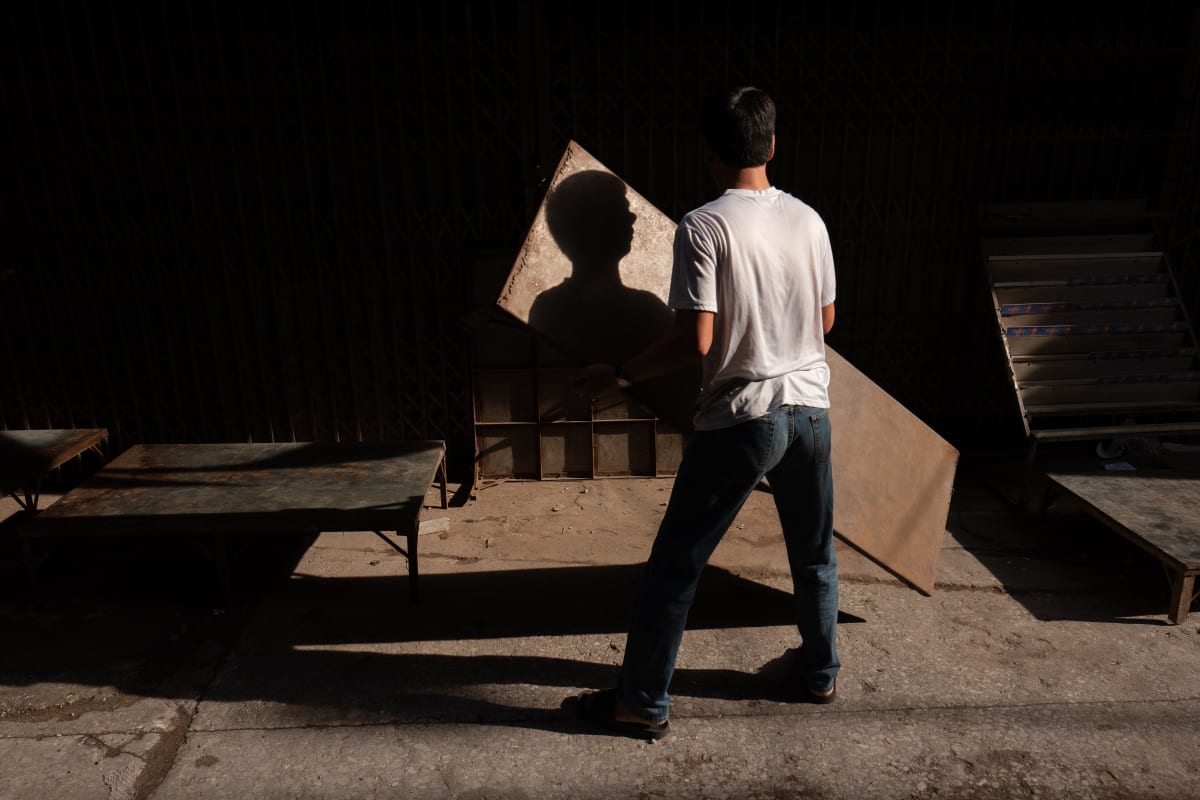
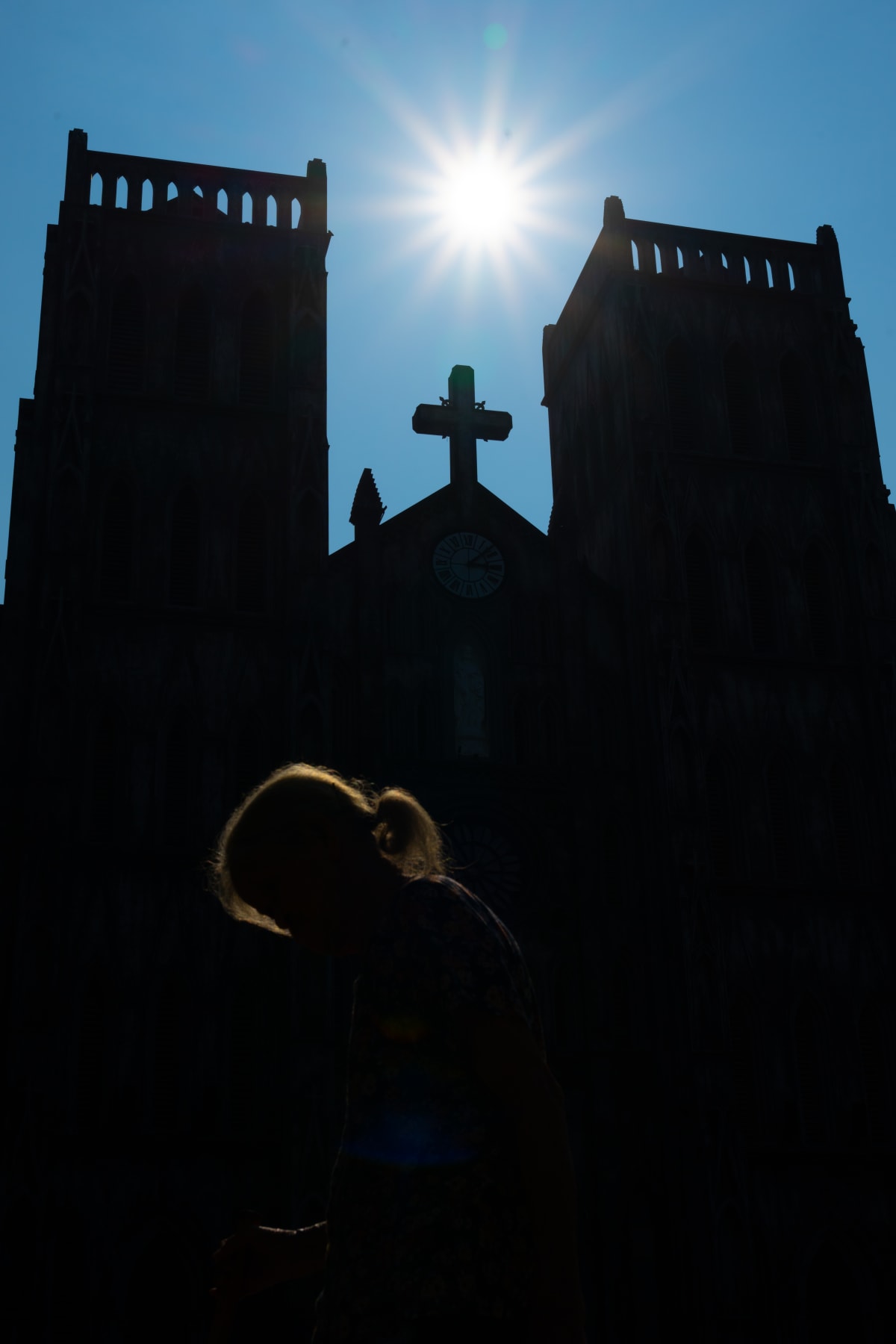
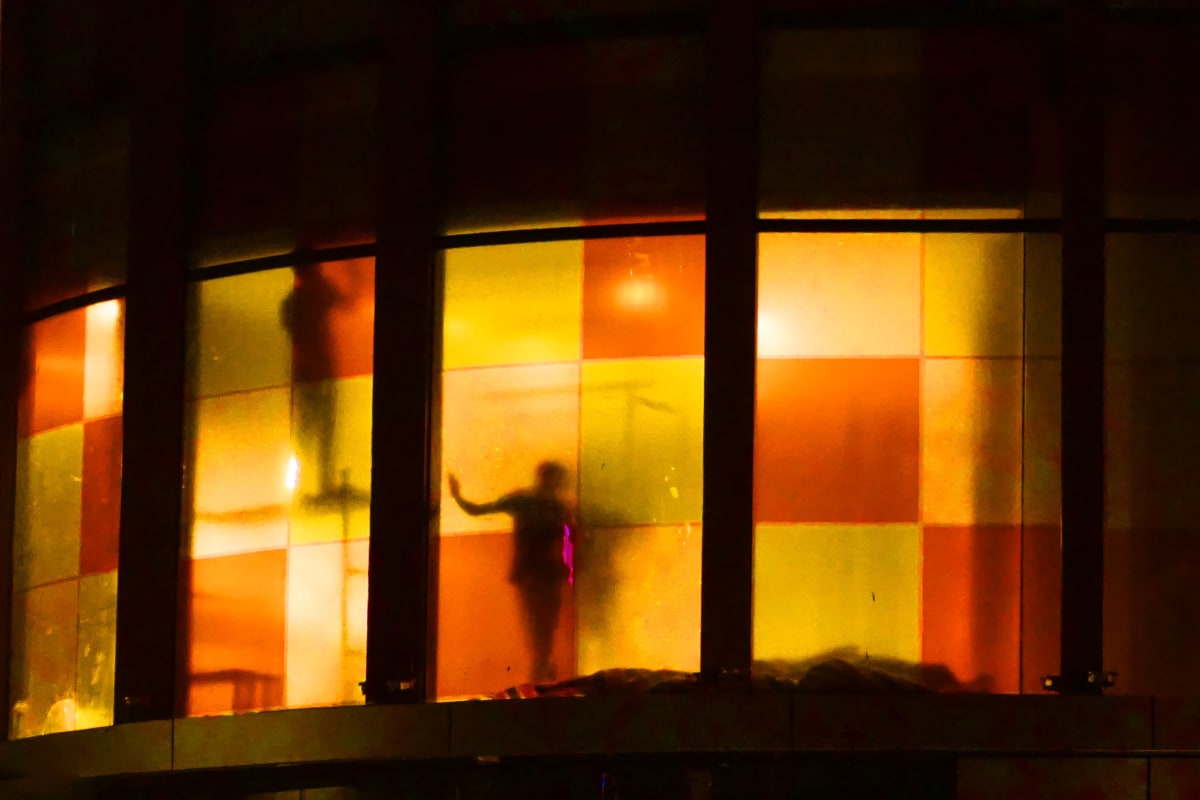
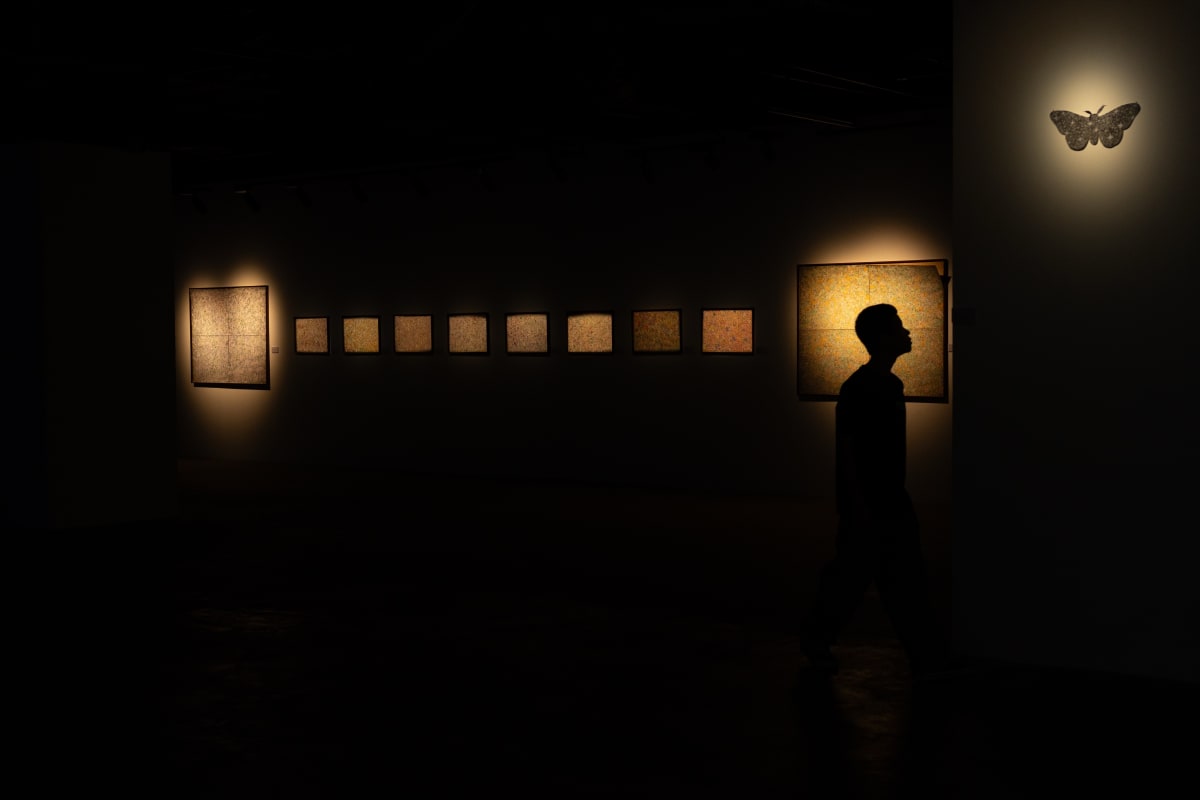
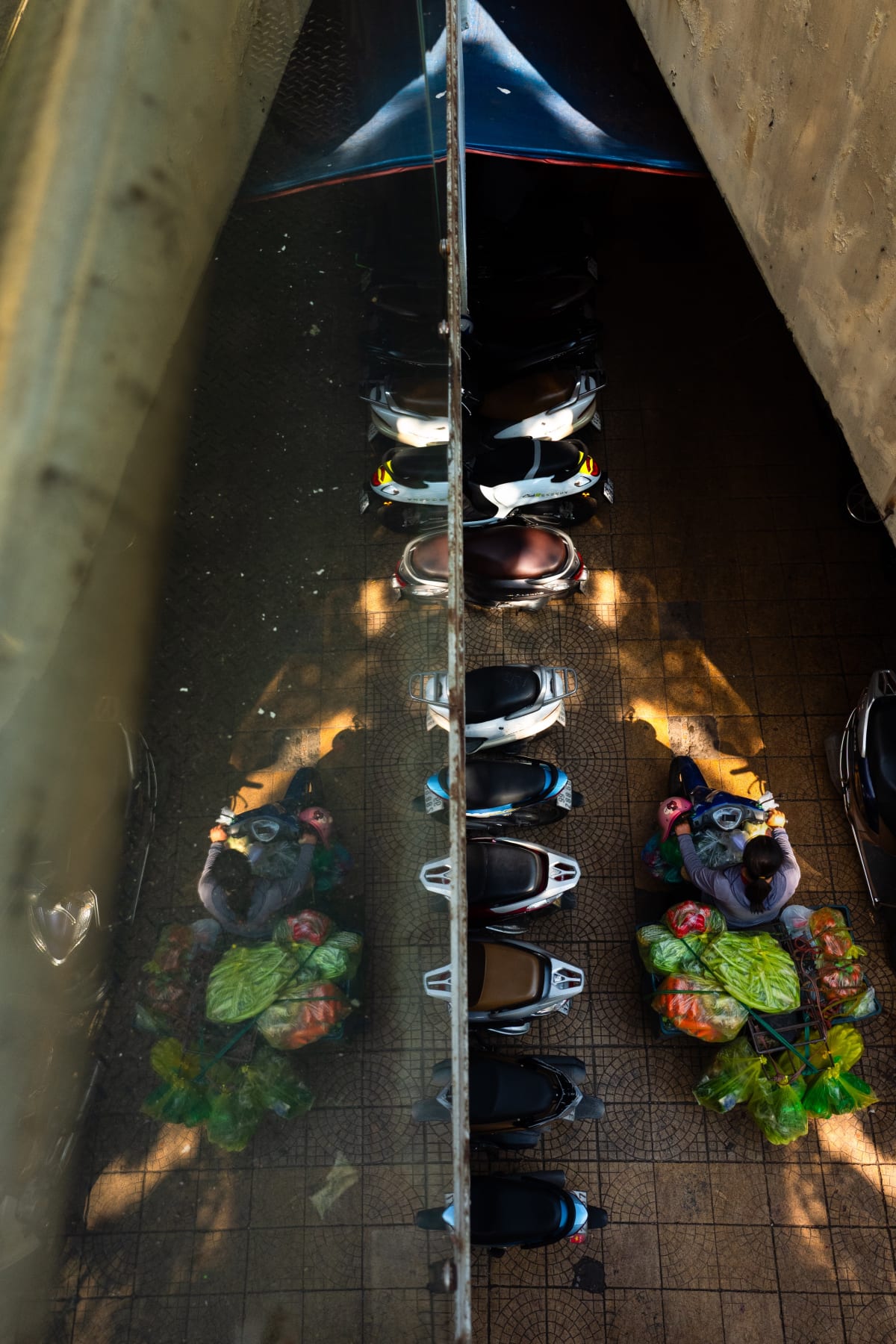
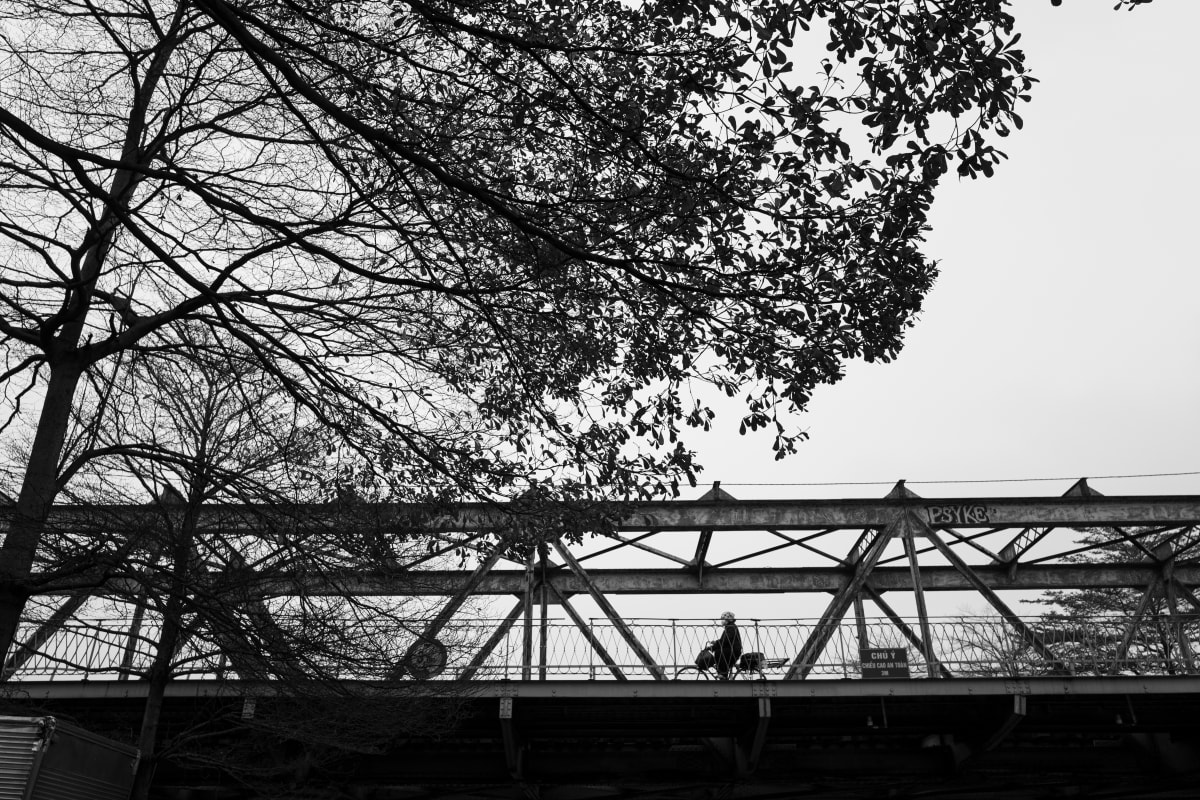
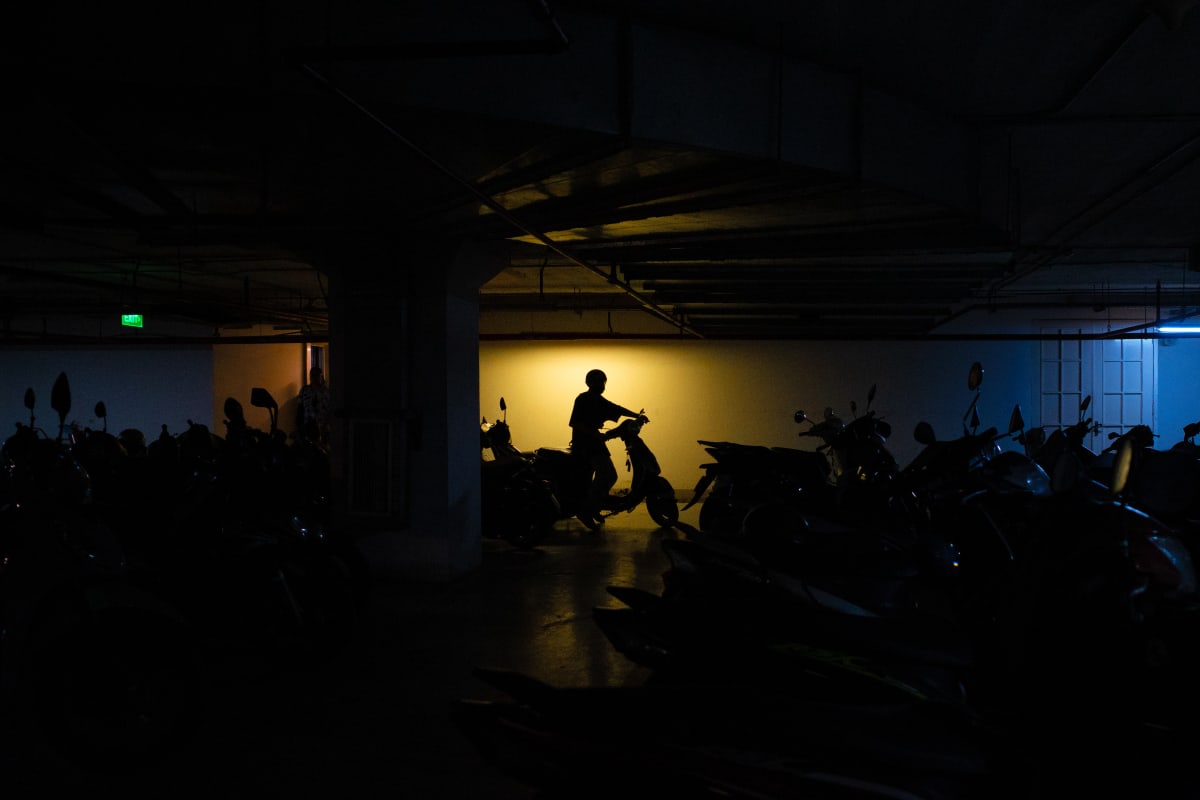
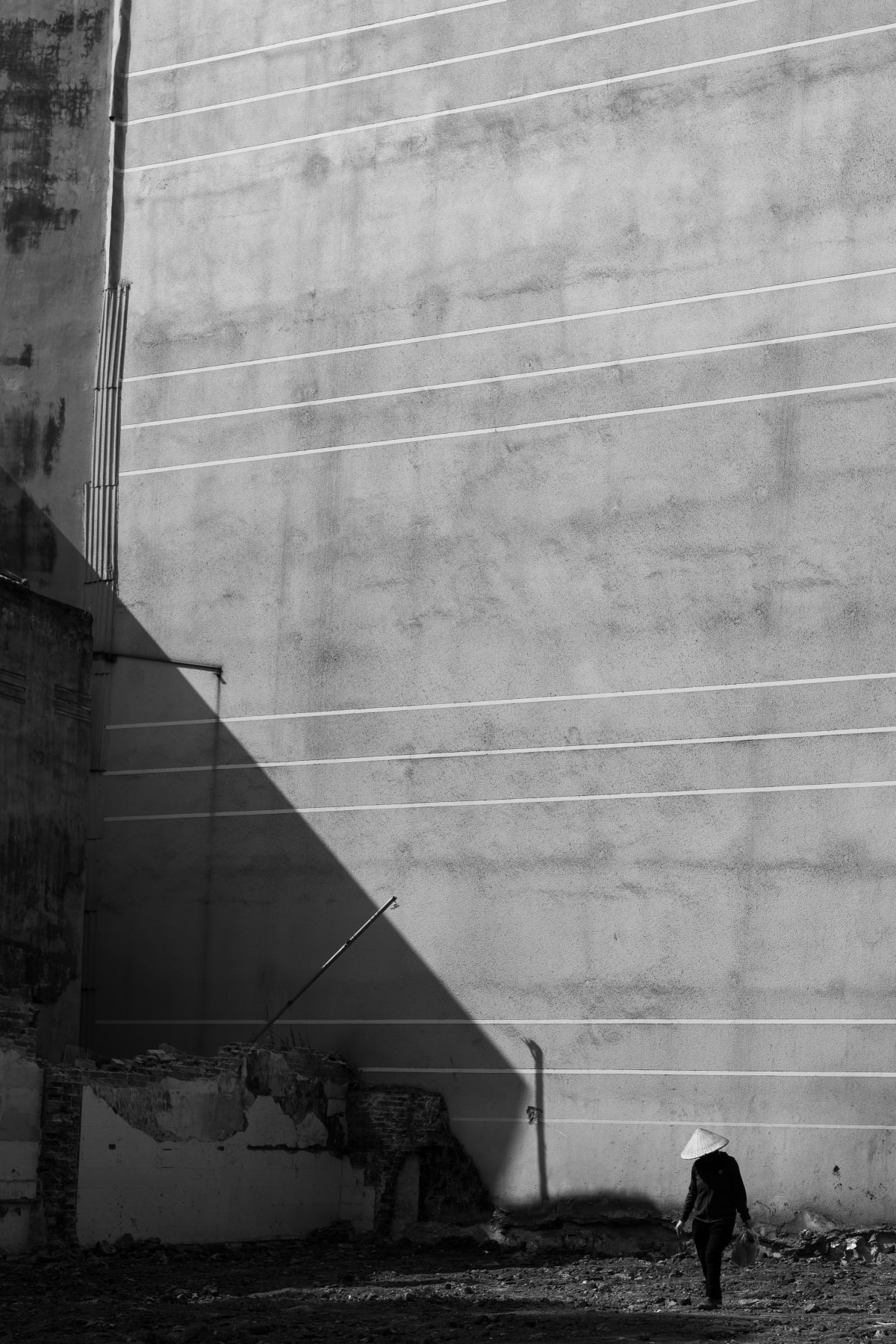
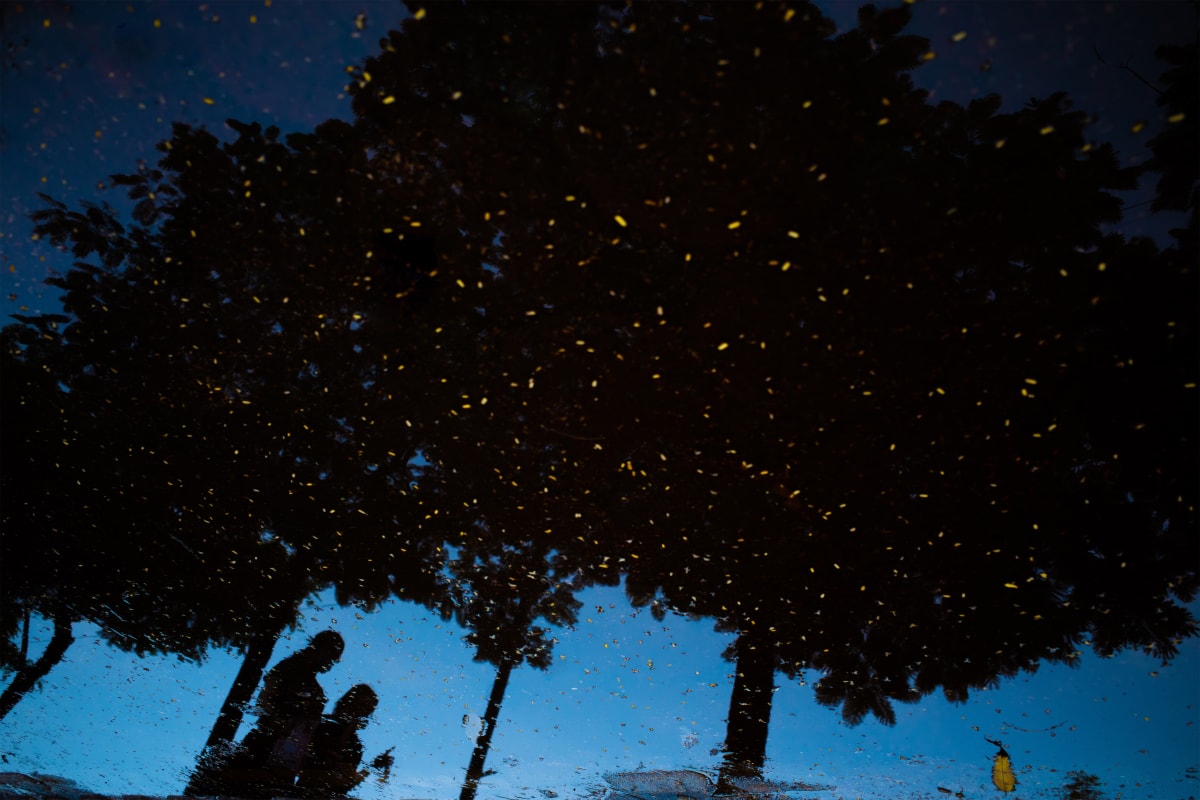
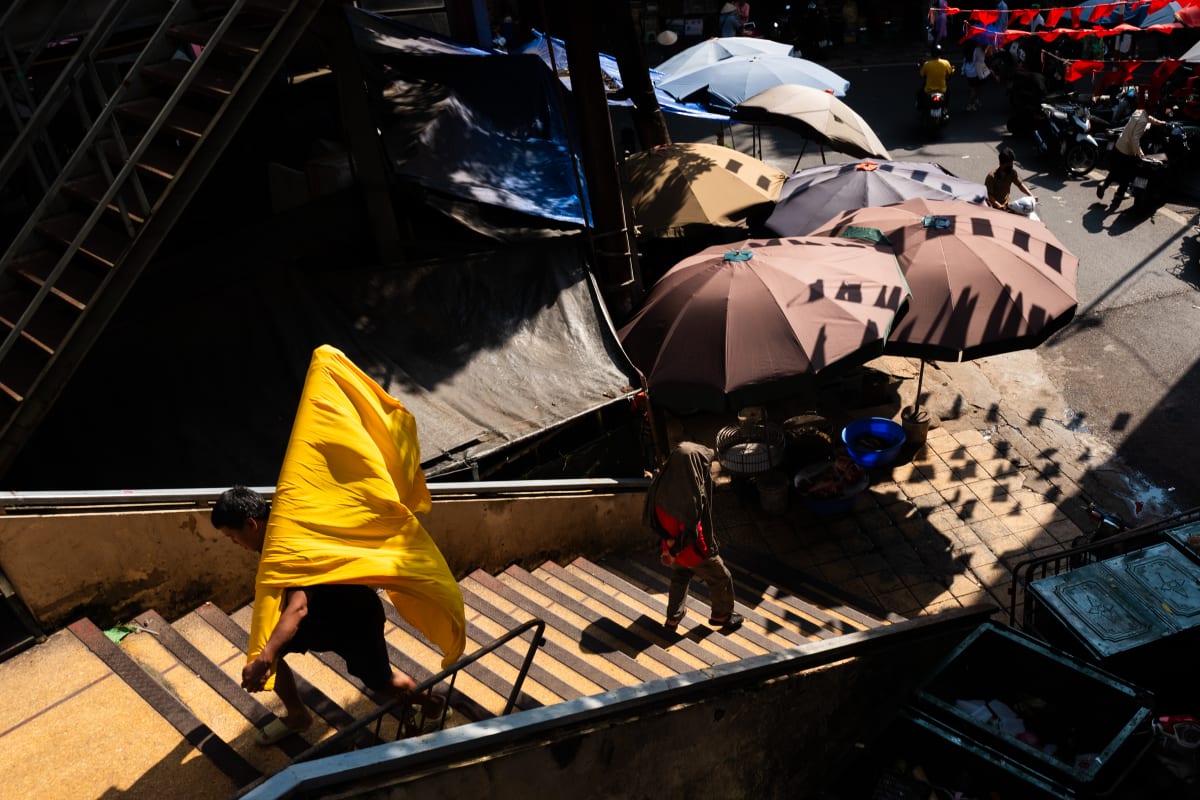
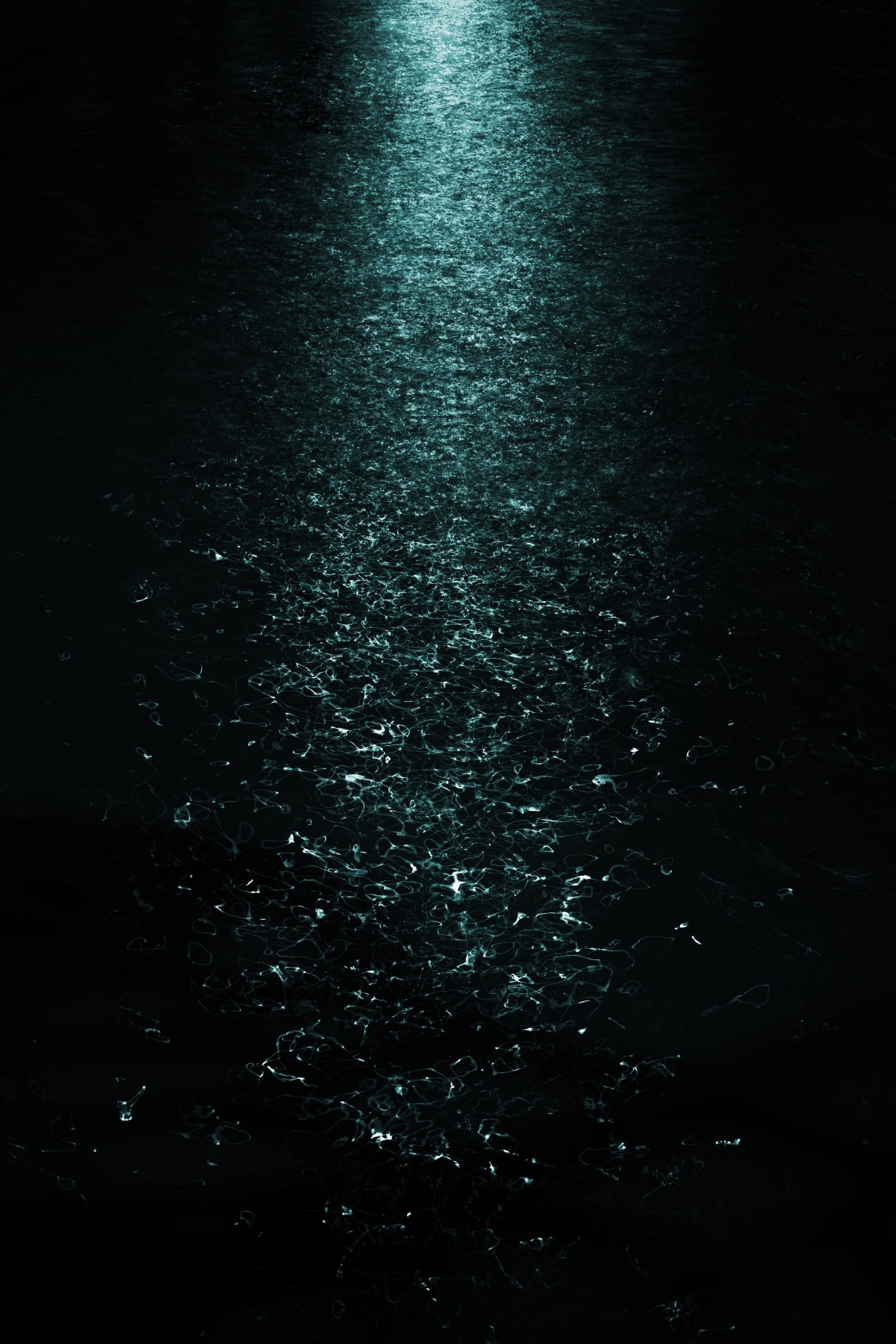
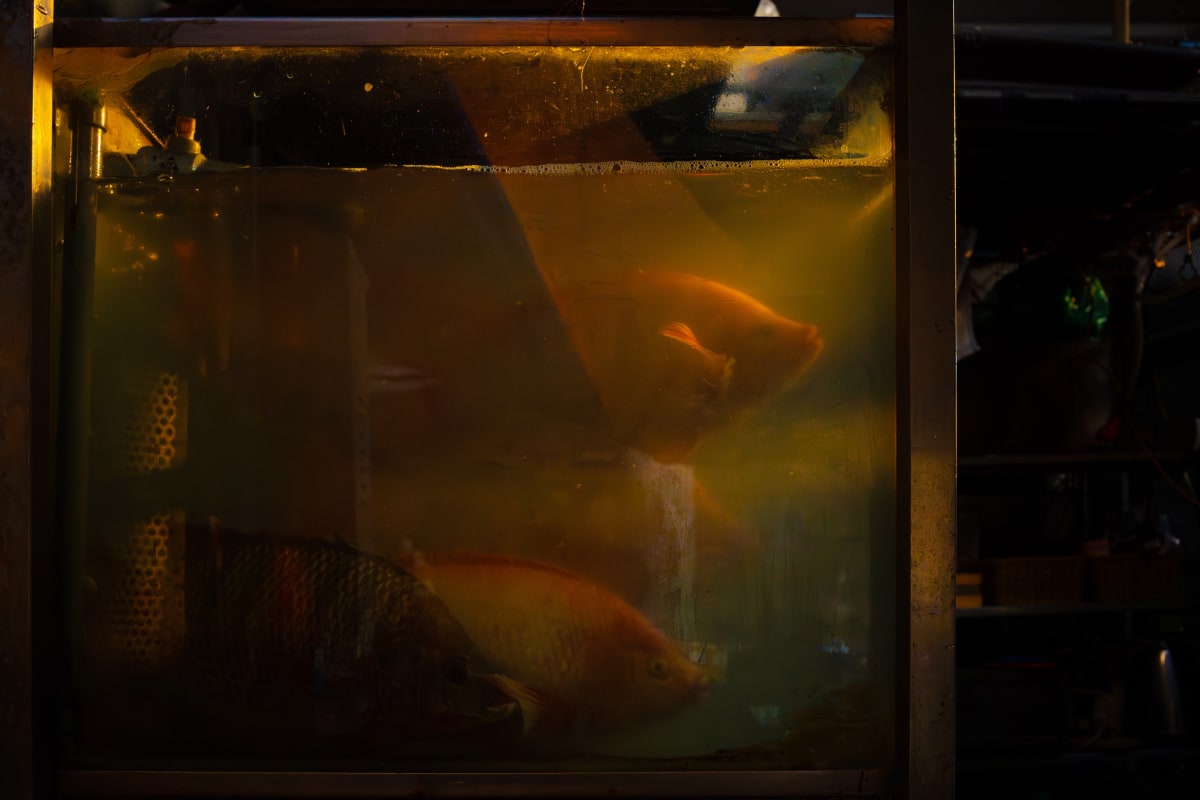
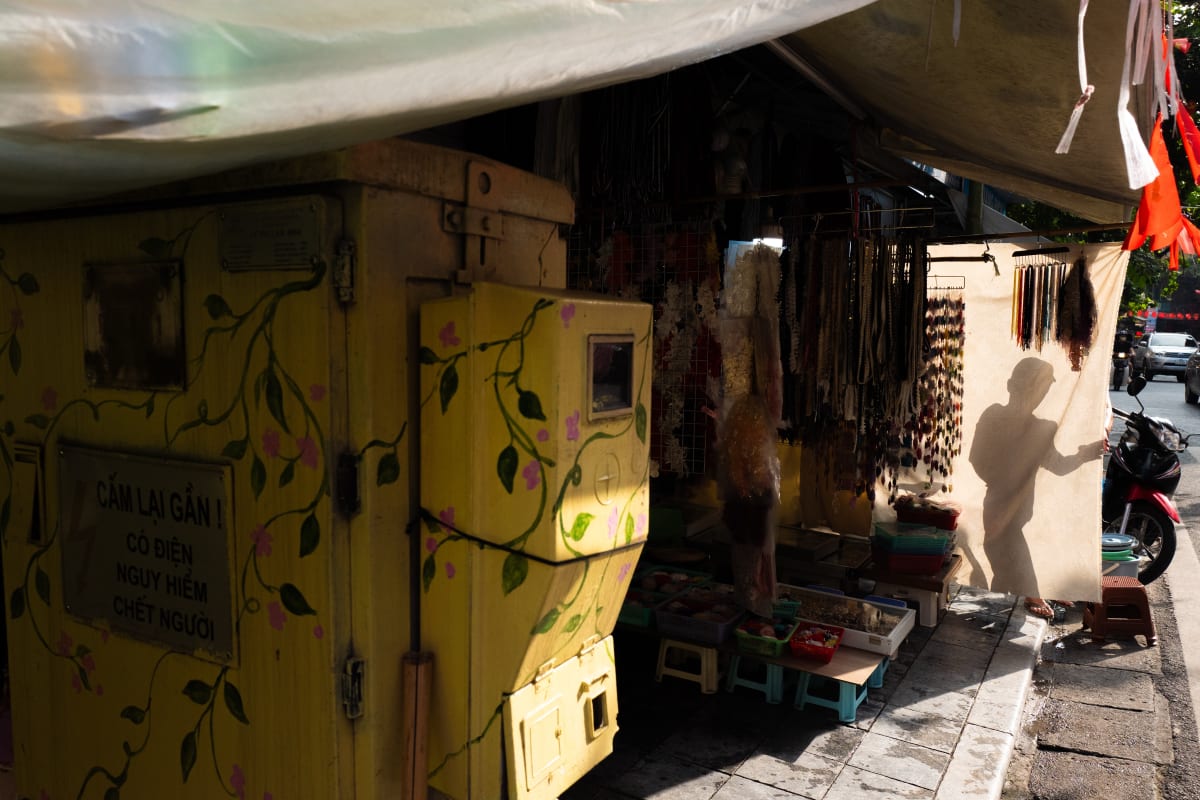
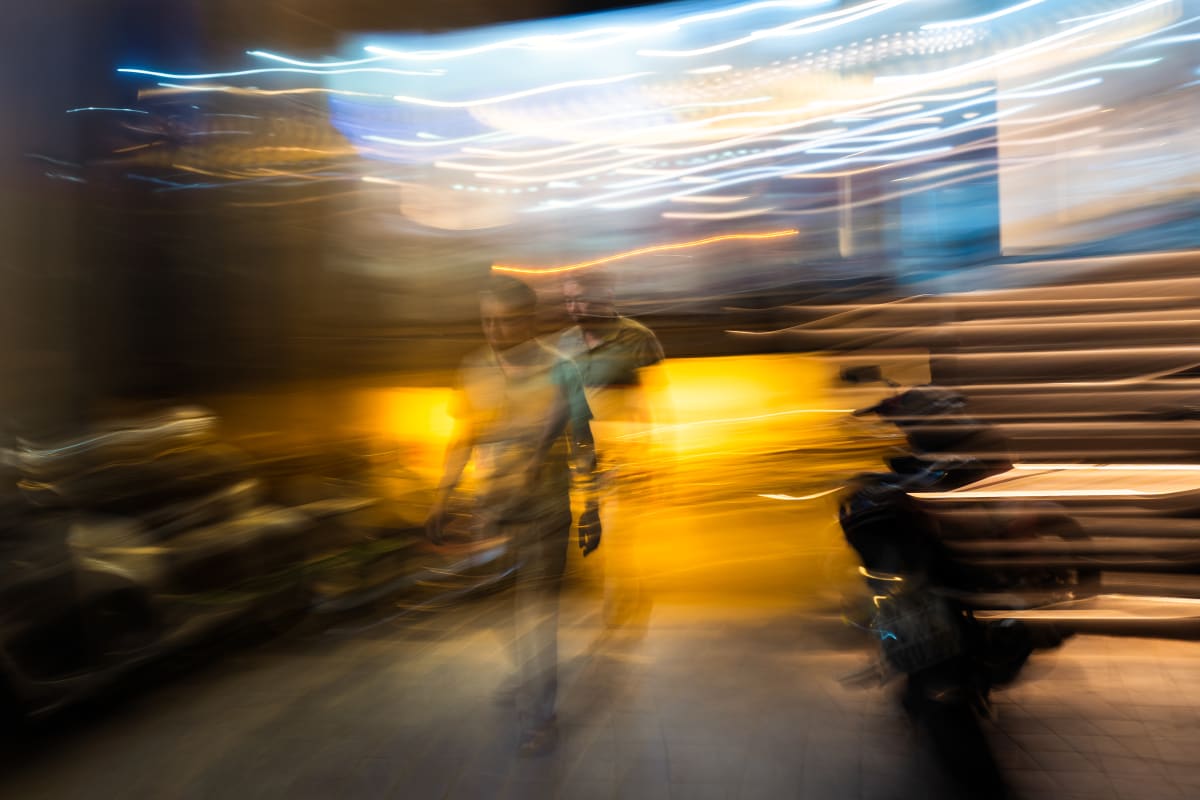
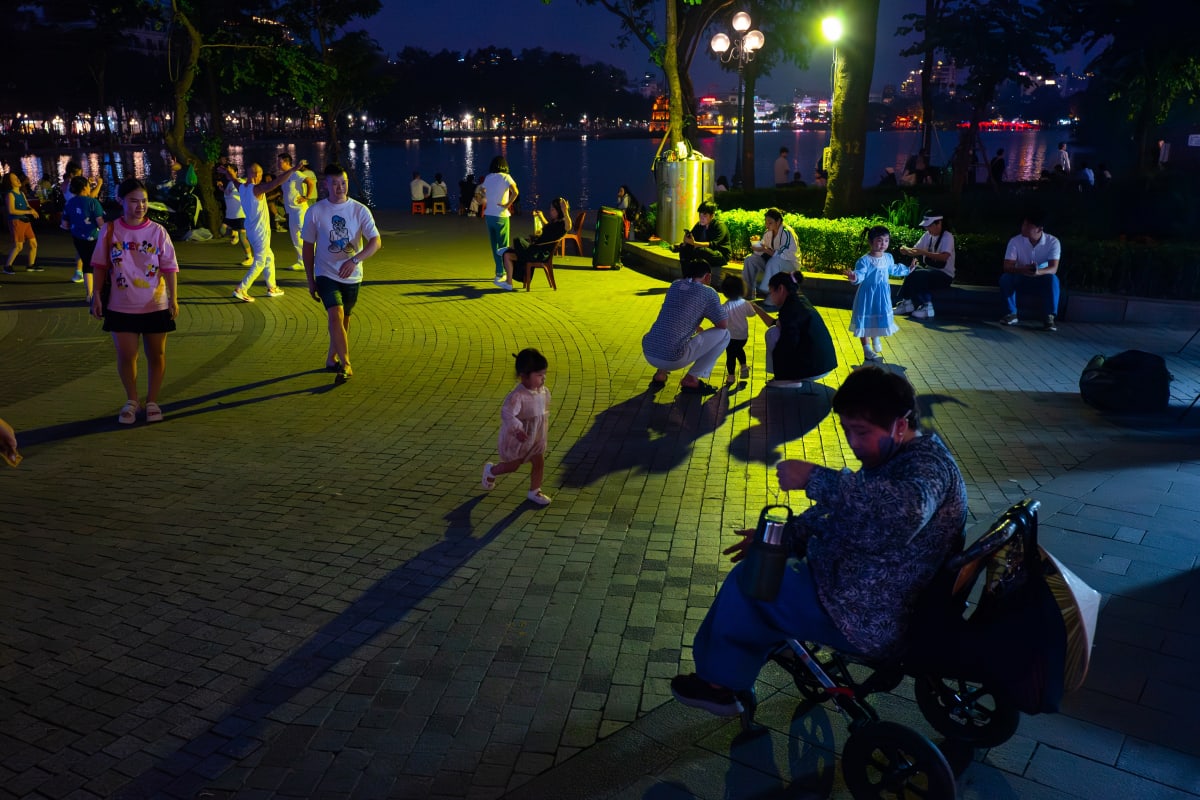
Lâm Xuân Tùng photographs Hanoi by subtracting most of it. The frames run mostly to black — dense negative space with a figure somewhere inside it, isolated, often in silhouette, caught at the edge of being visible at all.
Street photography is an attempt to momentarily disconnect from the flow of algorithms and social labels, in order to rediscover layers of original identity drifting within the hurried rhythm of urban life.
— Lâm Xuân Tùng
If you are new here, the subscribe form is at the bottom. If you have been reading since the beginning, thank you for staying with us.
Lâm Xuân Tùng in Hanoi
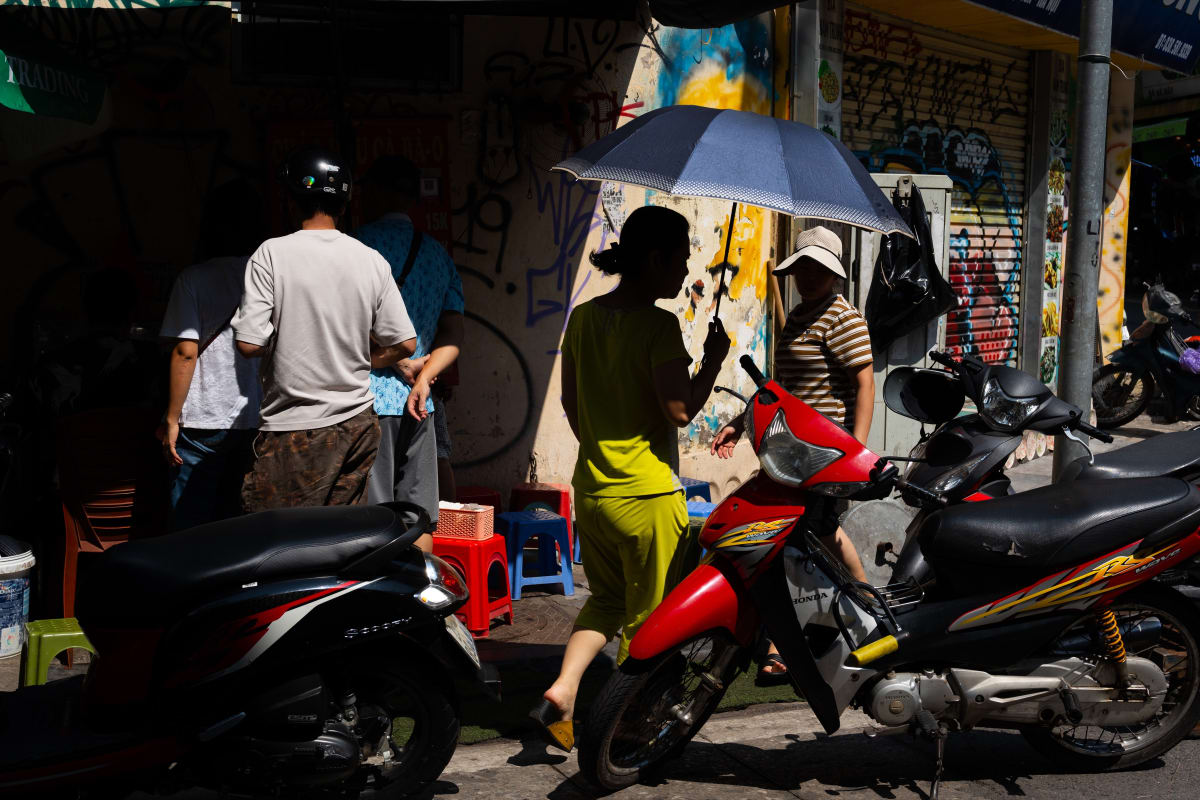
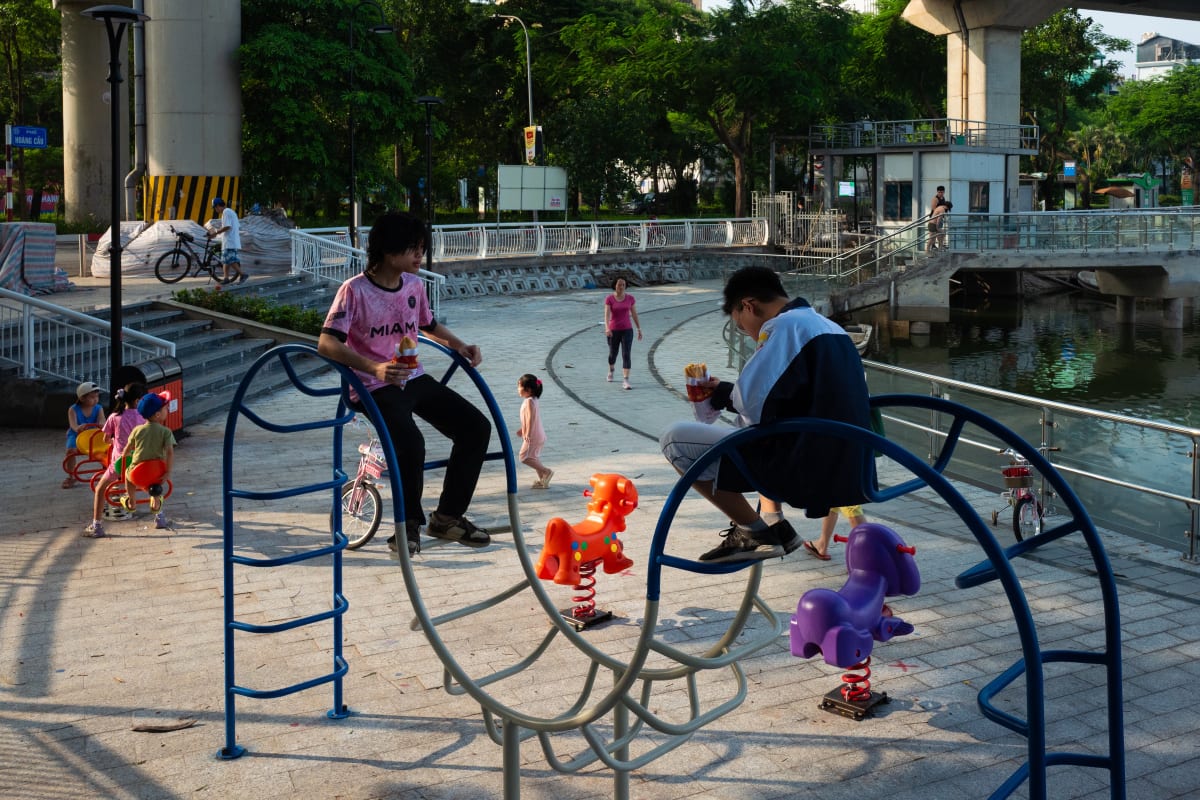
Nearly every camera pointed at Hanoi is after the same thing: the motorbikes, the density, the sheer volume of the place. He is after what is left once you take all of that out. He describes the city as a portal rather than a subject — a way into what he calls the parallel world of the mind.
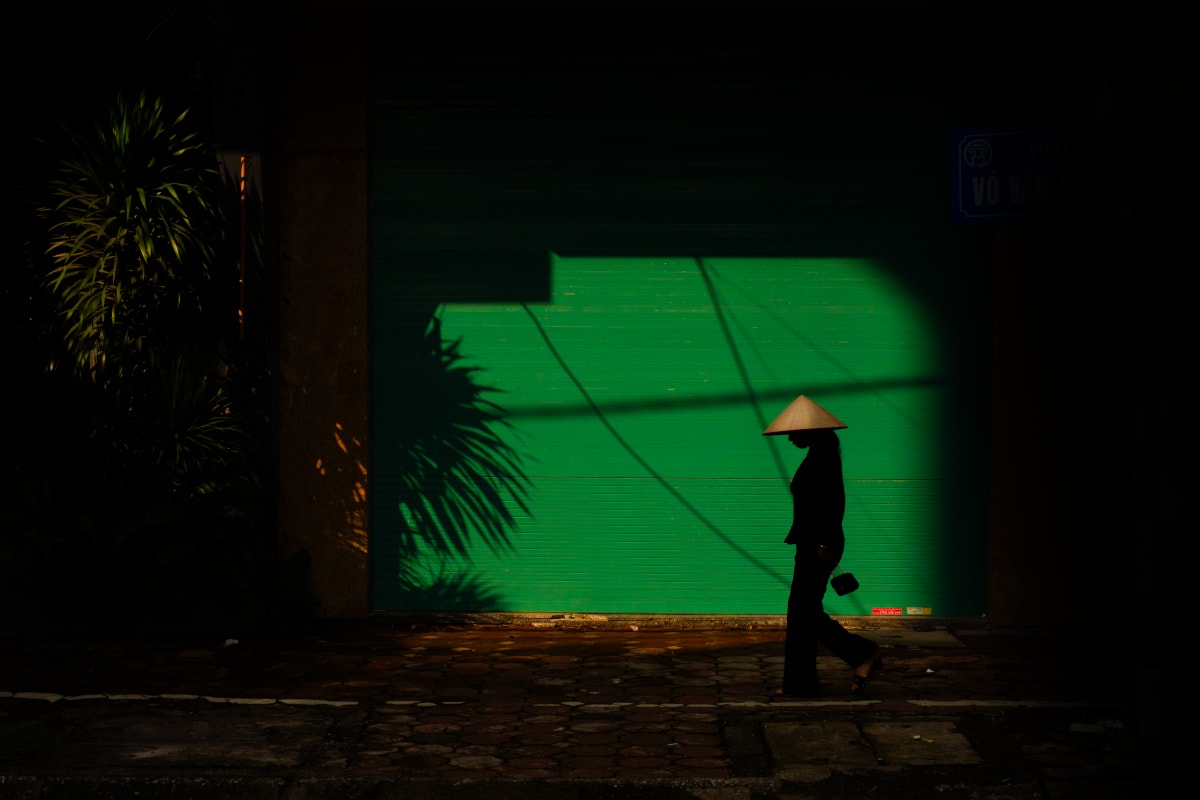
Which sounds abstract until you consider what it costs to do. Emptying a frame in a city this crowded means waiting for one person to cross the one patch of light in a dark street, and then declining to photograph anything else that happens.
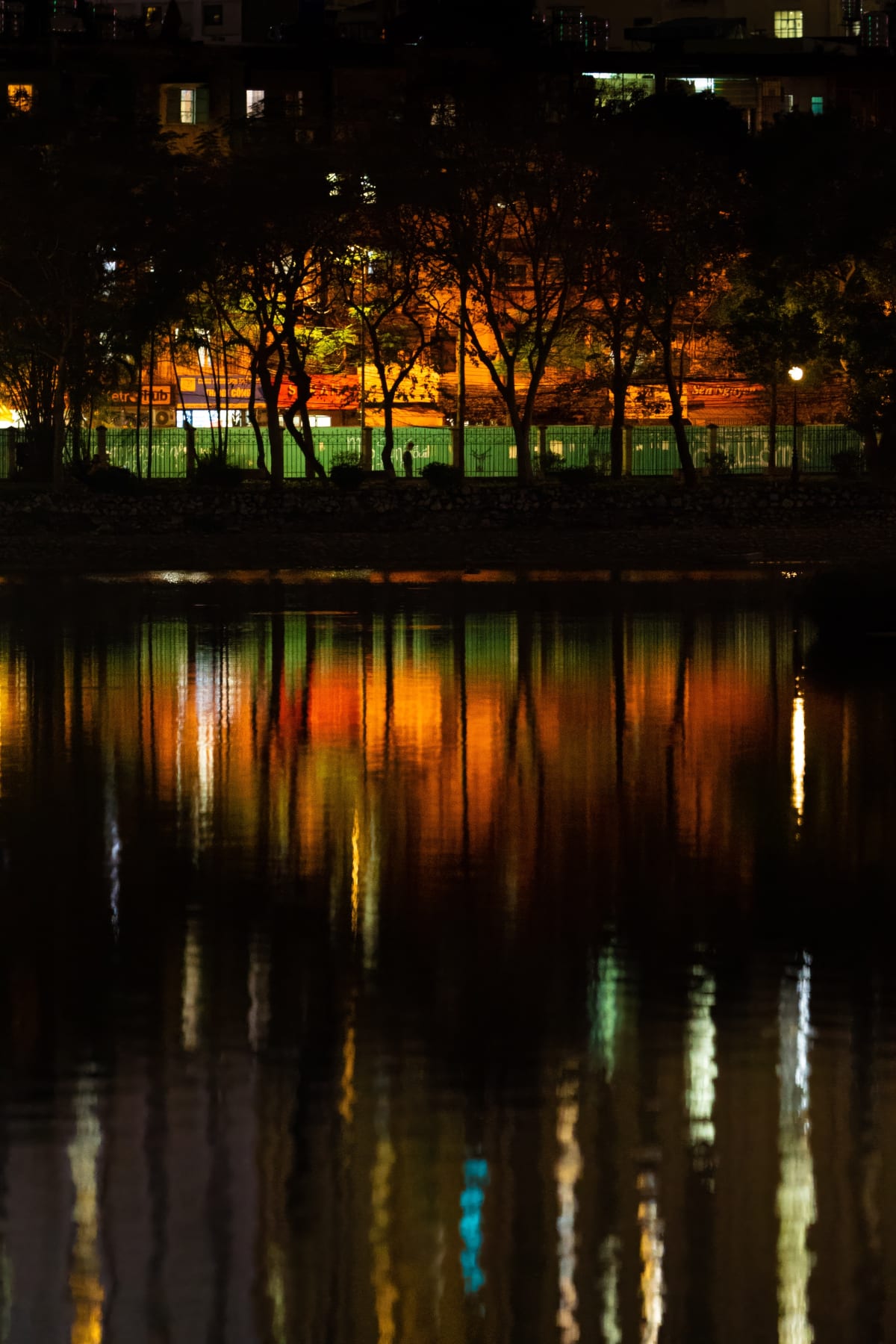
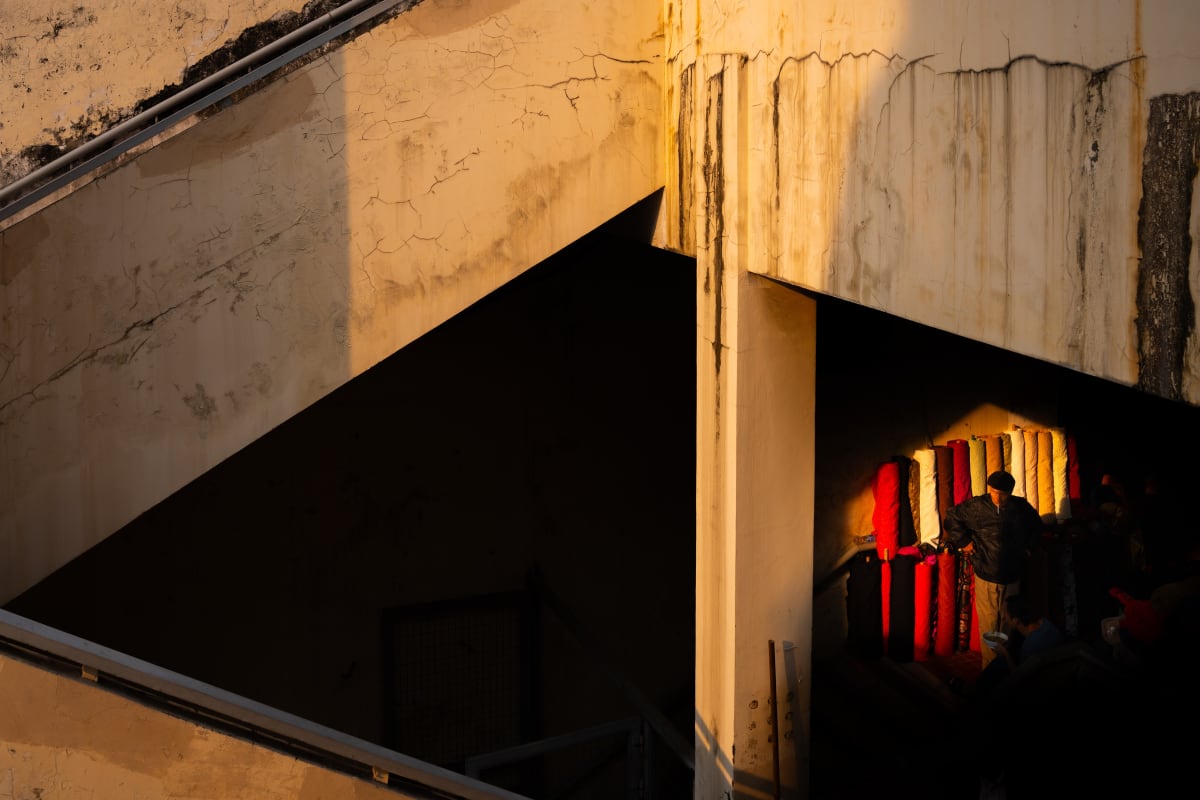
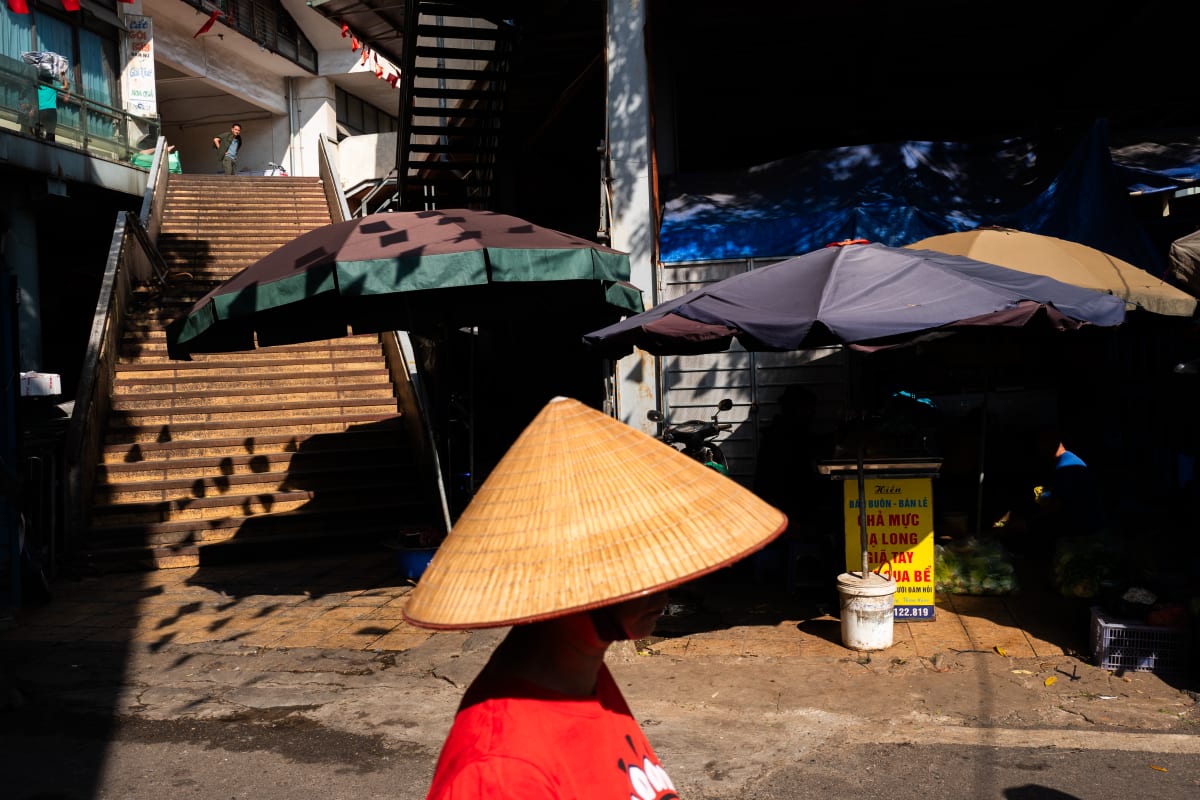
The rest of the work runs on the same idea. His solo show Nhân dạng gốc — "Original Identity" — sets who a person is underneath against the identity they assemble for public use. His art book Nội came out in 2023. Phố tan tầm, a collaborative book bringing together four photographers on Hanoi's streets at the end of the working day, was scheduled for July 2026.
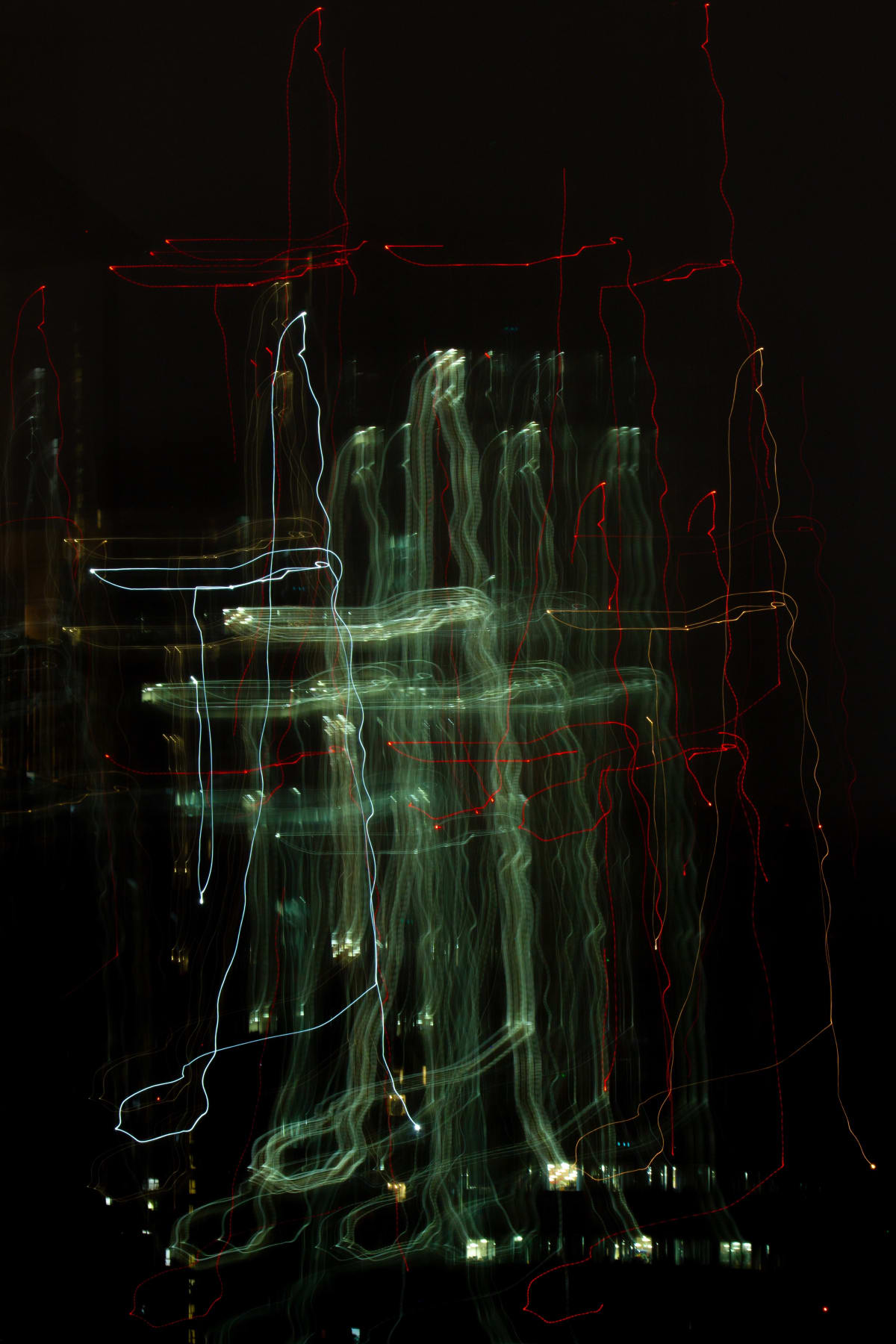
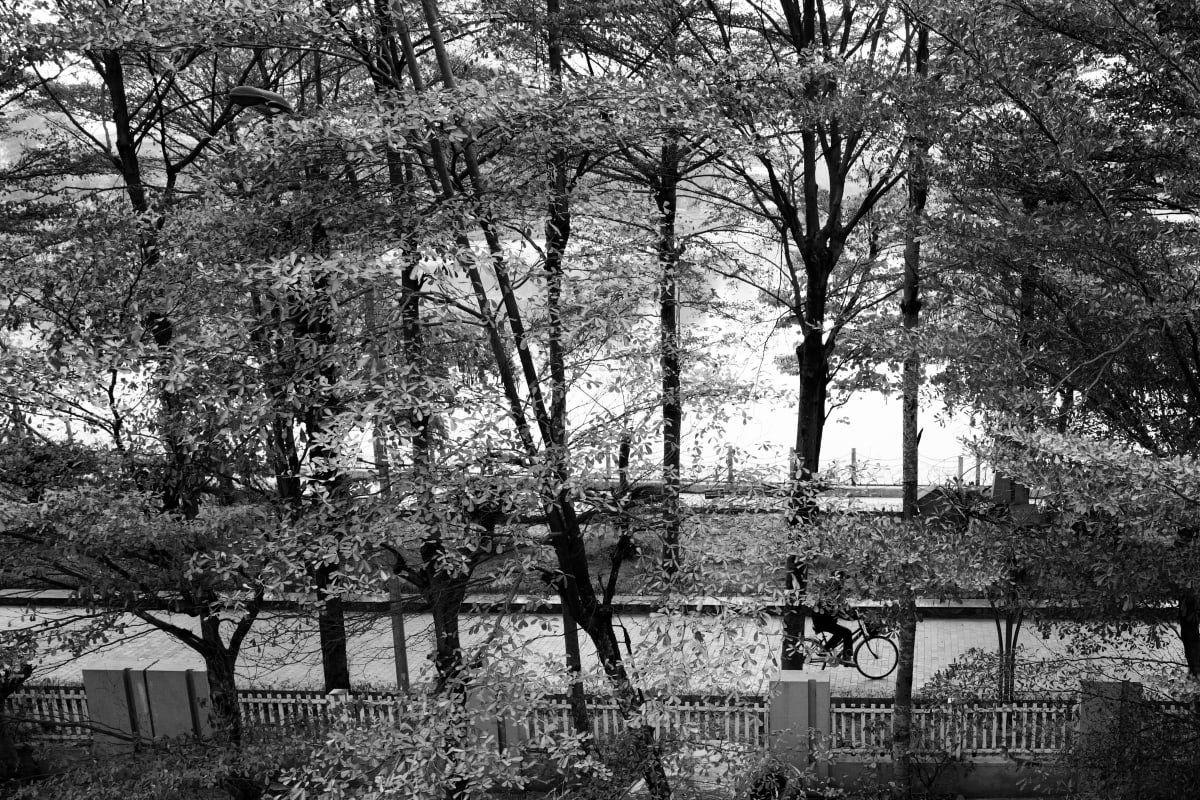
He has been recognised in the 35Awards 9th edition catalogue and the 1x Awarded Photographer programme, shown by Noirfoto Gallery, and has worked with Sony, Canon, Sigma and Ricoh. He is at @tungxuanlam_street.

Links worth your time
-
@tungxuanlam_street — Tùng’s Instagram
instagram.com ↗
His ongoing visual diary of Hanoi in light and shadow — silhouettes, negative space, and the quiet edges of a city in constant motion.
-
Hanoi — Vietnam Streets city guide
vietnamstreets.org
Our editorial guide to shooting in the capital: the Old Quarter, the Long Biên bridge, the lakes, and the light that cuts through the narrow alleys.
-
Get featured in Streets & Stories
vietnamstreets.org
Apply to be our next photographer spotlight. We review every submission.