Antonio di Vico moves through Hanoi at close range, finding the city in the rooms where its days unwind — pool halls trailing cigarette smoke, chess played on a weathered bench, a tattooed back turned toward a wall of old bodybuilding posters.
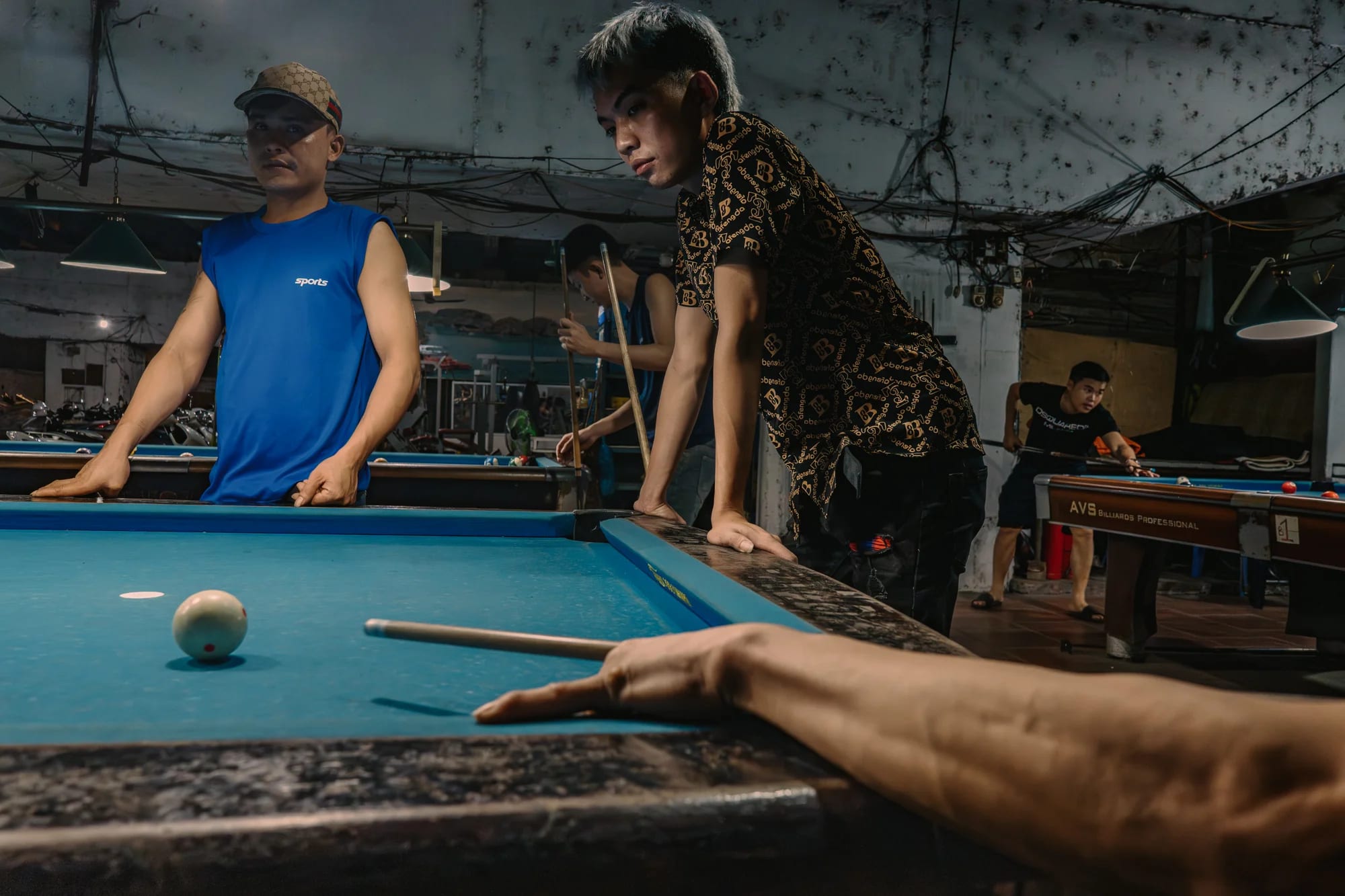
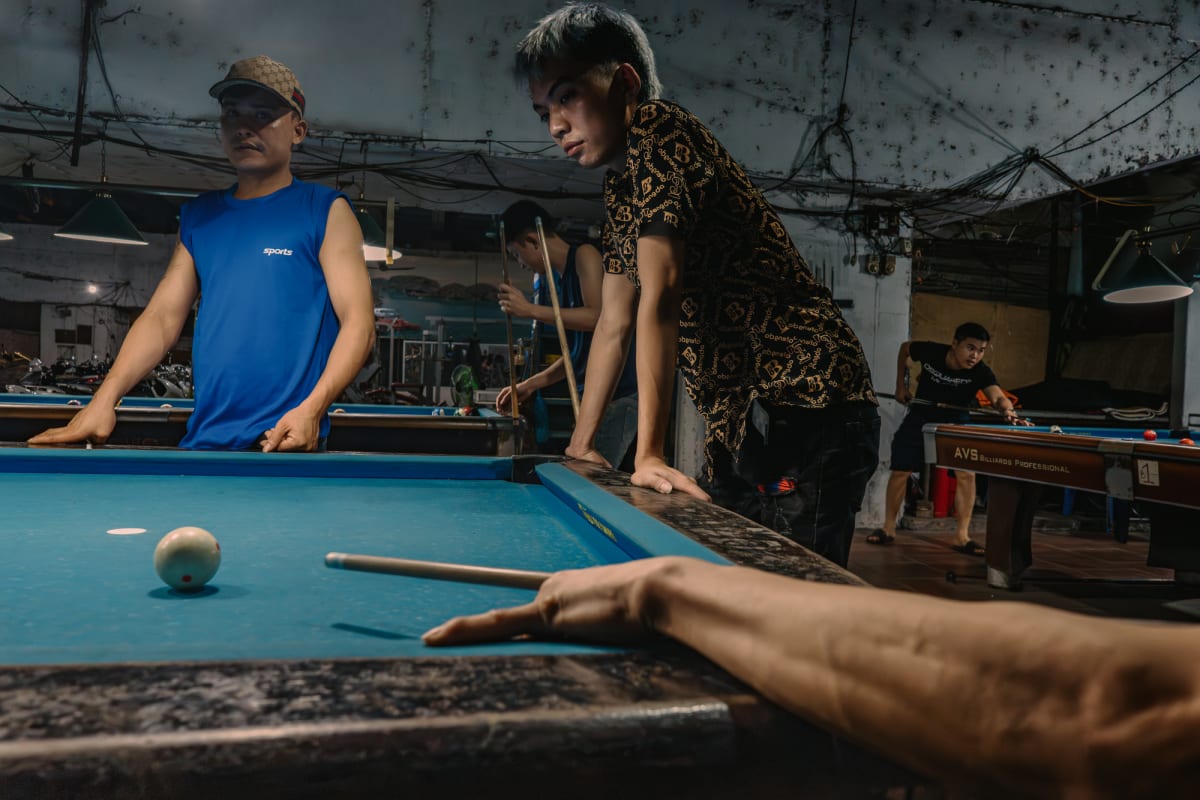
01Three young men at a blue-felt pool table in a dim Hanoi billiards hall; the central player in a black-and-gold patterned shirt leans into his shot while a man in a blue sleeveless vest watches from the left, and a foreground hand and cue enter from the lower right
01 — The photographer
02 — The story
Antonio di Vico spent fifteen years doing communications for United Nations agencies, living in Australia, Thailand, Georgia, Germany and Austria while he did it. Then he stopped, and in 2023 walked 1,800 kilometres across India, Dharamsala to Mumbai, sleeping in temples and roadside service stations. That walk became his first book, Tutta la polvere dell'India. He photographs as Vagaboots. The frames in this issue were made in Hanoi: different country, same method.
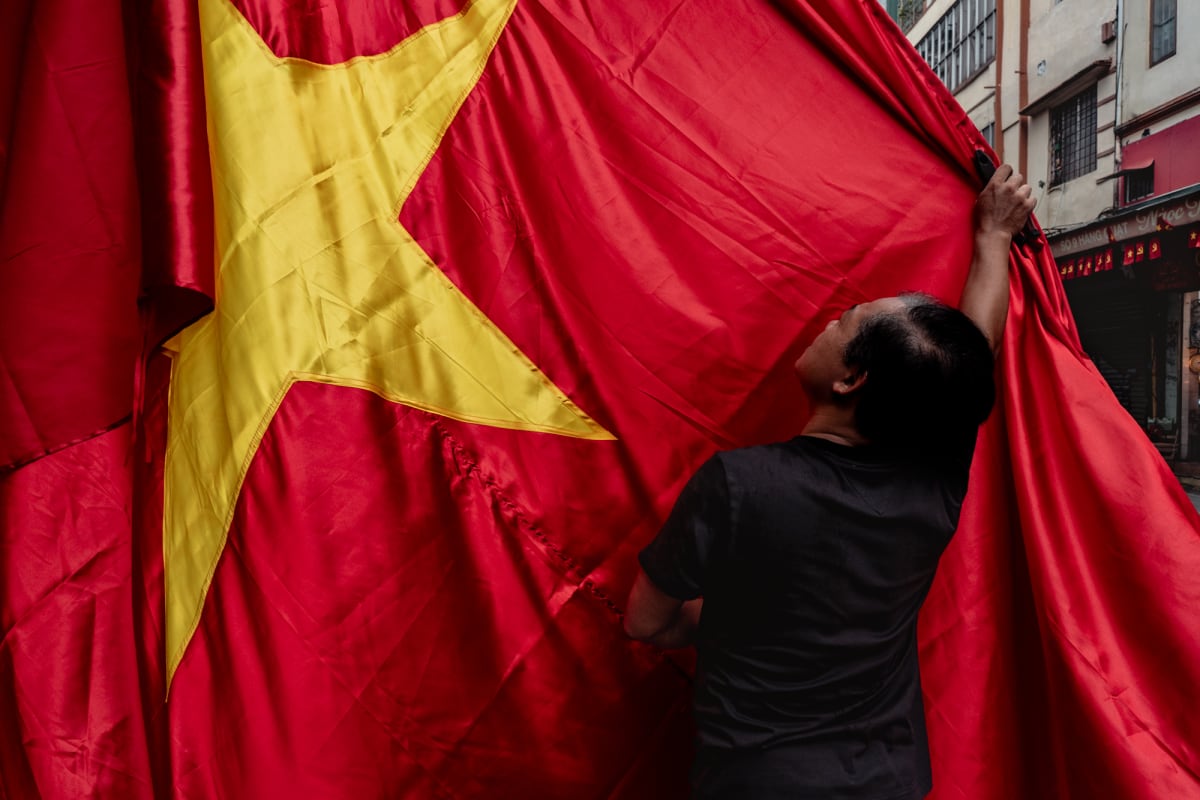
A man in a black T-shirt reaches up to adjust an enormous red Vietnamese flag with a yellow star hanging over an Old Quarter street
If this is your first Streets & Stories, welcome — every issue puts one photographer's work at the centre and lets the pictures do most of the talking. Thanks for reading.
Antonio di Vico in Hanoi
My aim is to document an authentic world beyond stereotypes and romanticized narratives.
— Antonio di Vico
Everyone says that. What makes it checkable here is where he is standing. These are rooms that normally get photographed from the doorway — the pool hall, the back-street gym, the corner where a game has been running since morning — and he is not in the doorway. He is at the table, close enough to be in the way, which means somebody decided he could be.
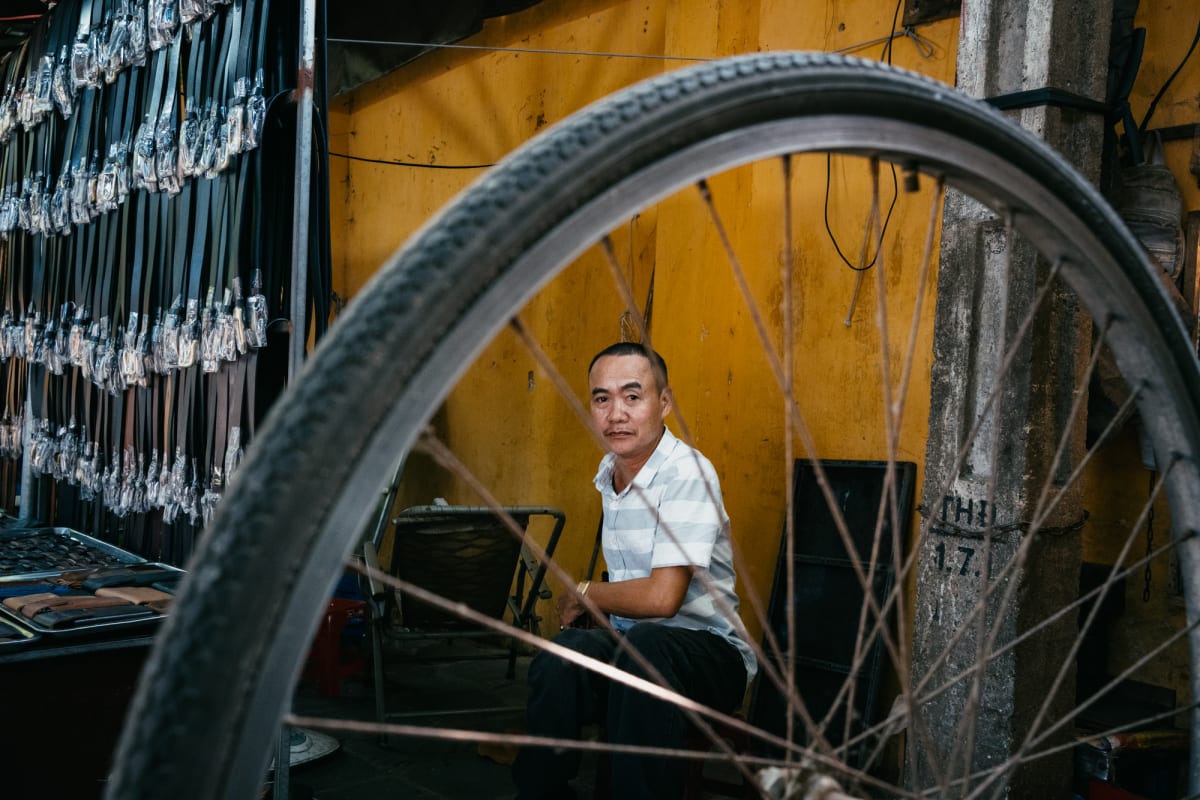
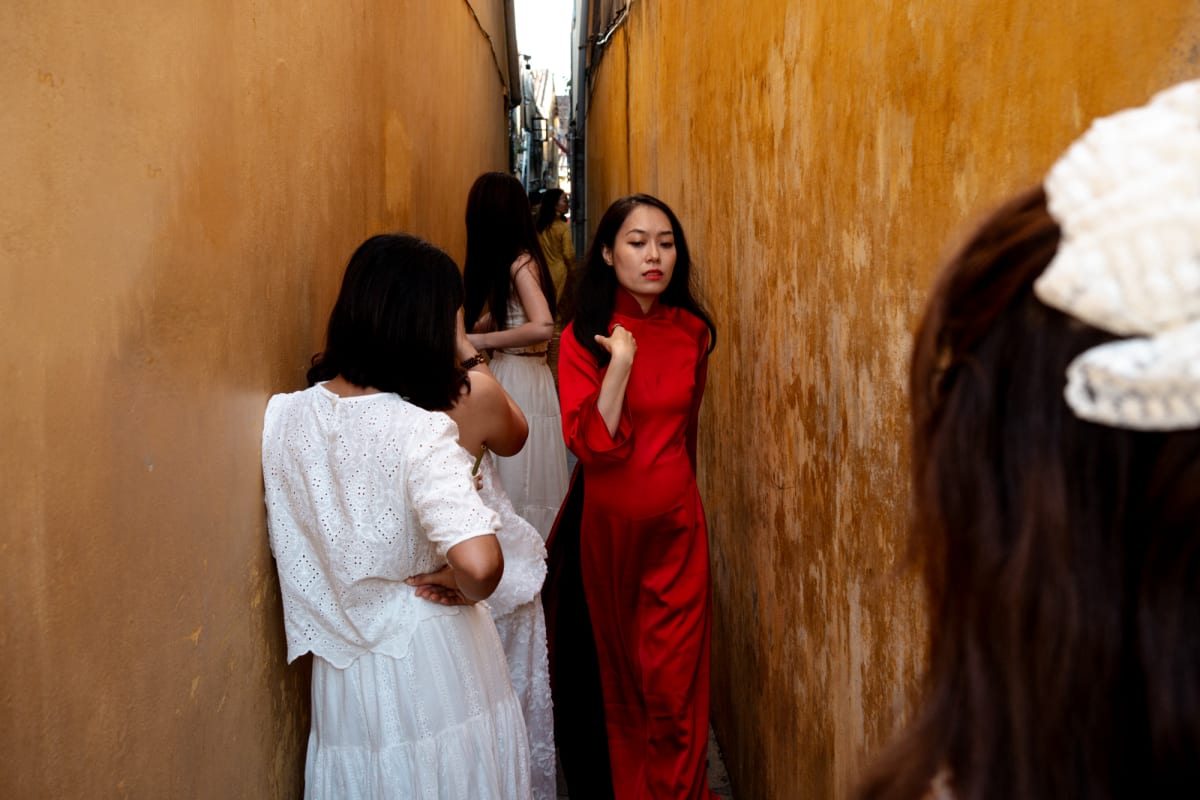
Framed through a bicycle wheel's spokes, a man in a striped shirt sits watching against a weathered yellow wall hung with goodsWomen in white and a vivid red ao dai pose along a narrow, sunlit passage between weathered ochre walls
That is the difference between a picture of a place and a picture from inside one, and it is not a technical skill. It is a question of how long you are prepared to stay before you lift the camera, which is the habit you would expect from a man who once crossed a country at walking pace.
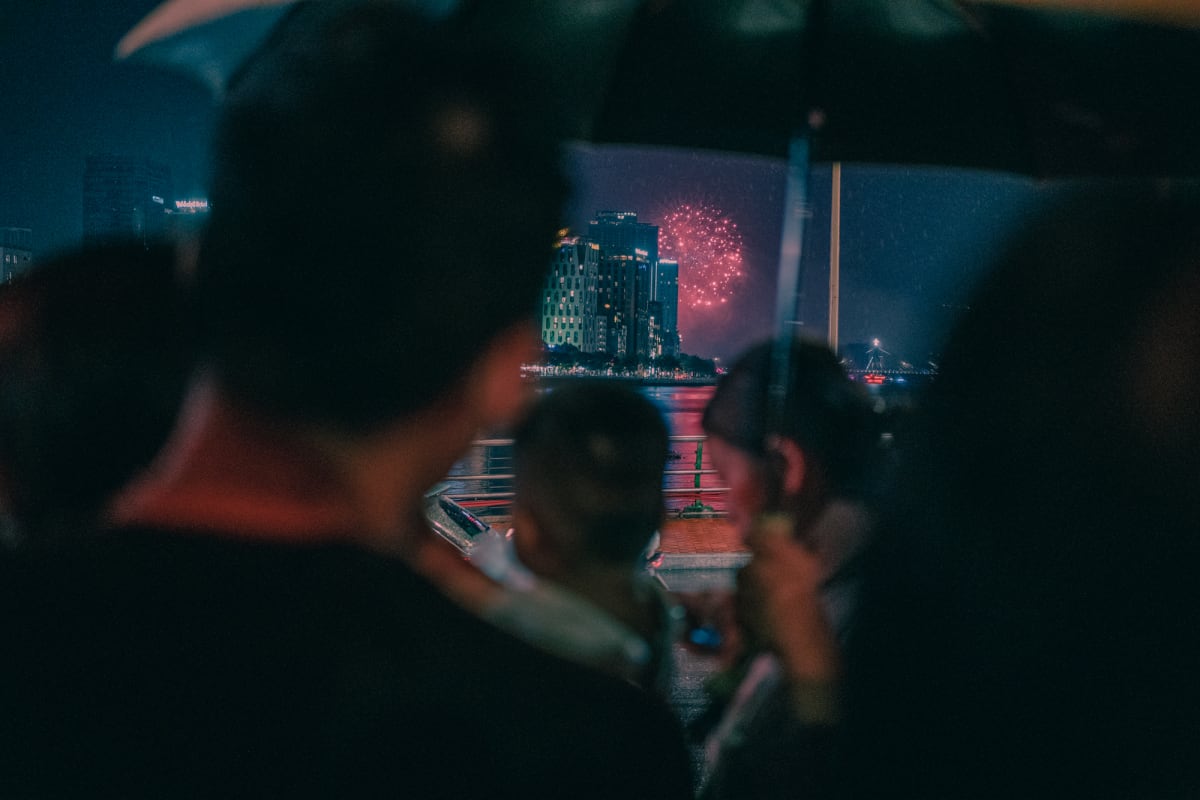
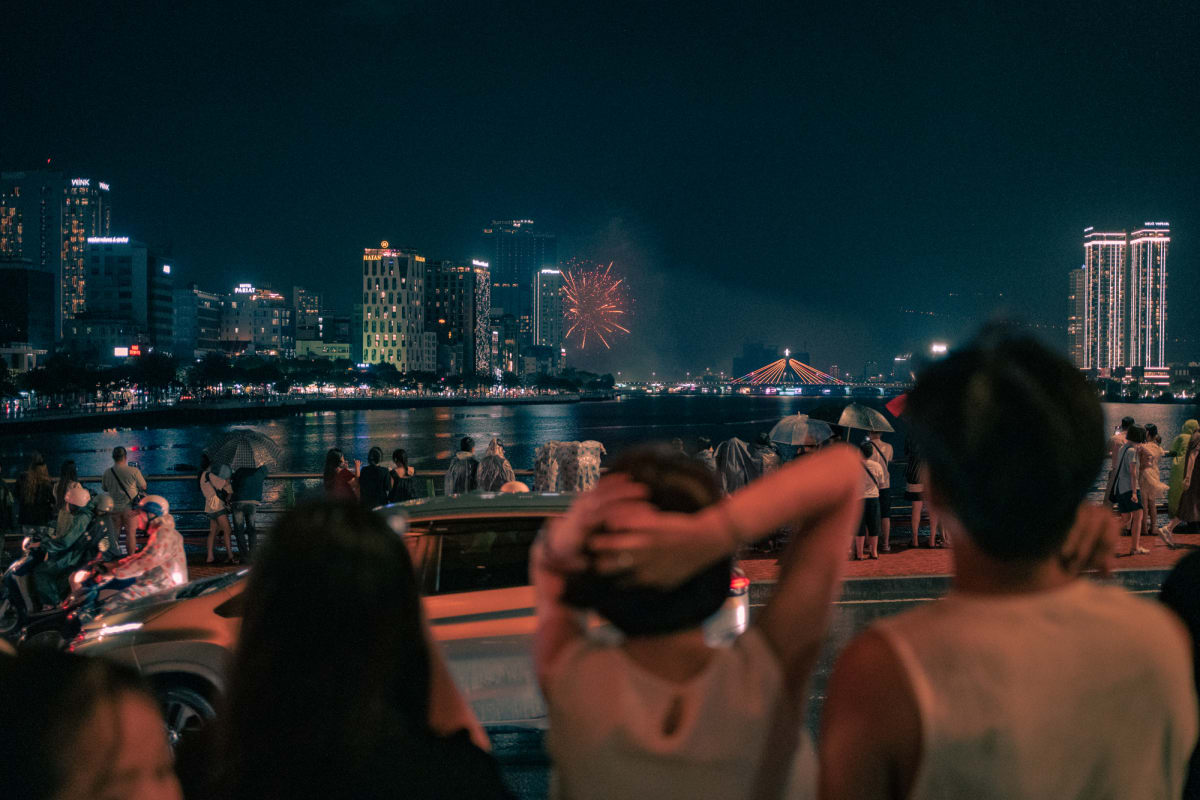
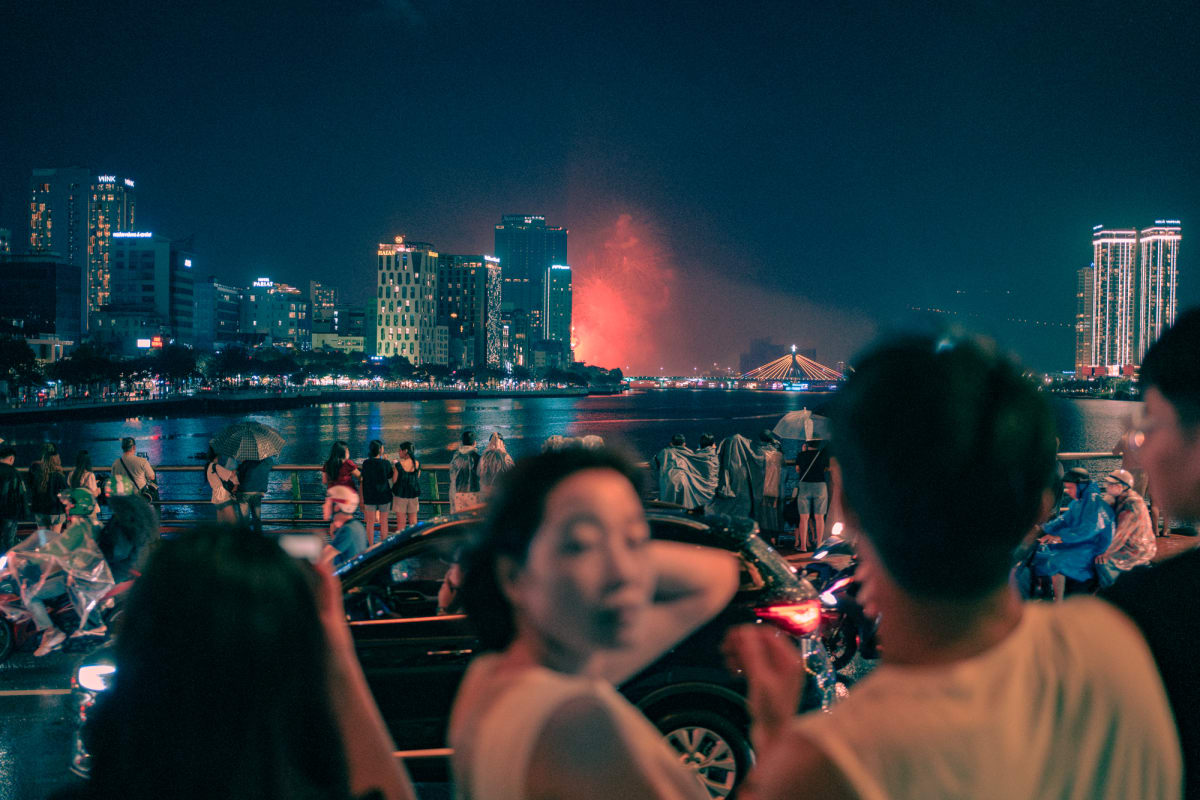
Silhouetted spectators watch pink fireworks burst over a riverfront skyline and lit high-rise on a hazy nightA nighttime crowd with umbrellas lines a rain-slicked riverbank watching orange fireworks explode above the illuminated city skyline and bridgeNight crowds in rain ponchos watch red fireworks bloom over a river beside a lit cable-stayed bridge and city towers
The institutional years probably helped, in a backhanded way. Nobody spends fifteen years being moved between countries without learning how to arrive somewhere and become unremarkable in it quickly.
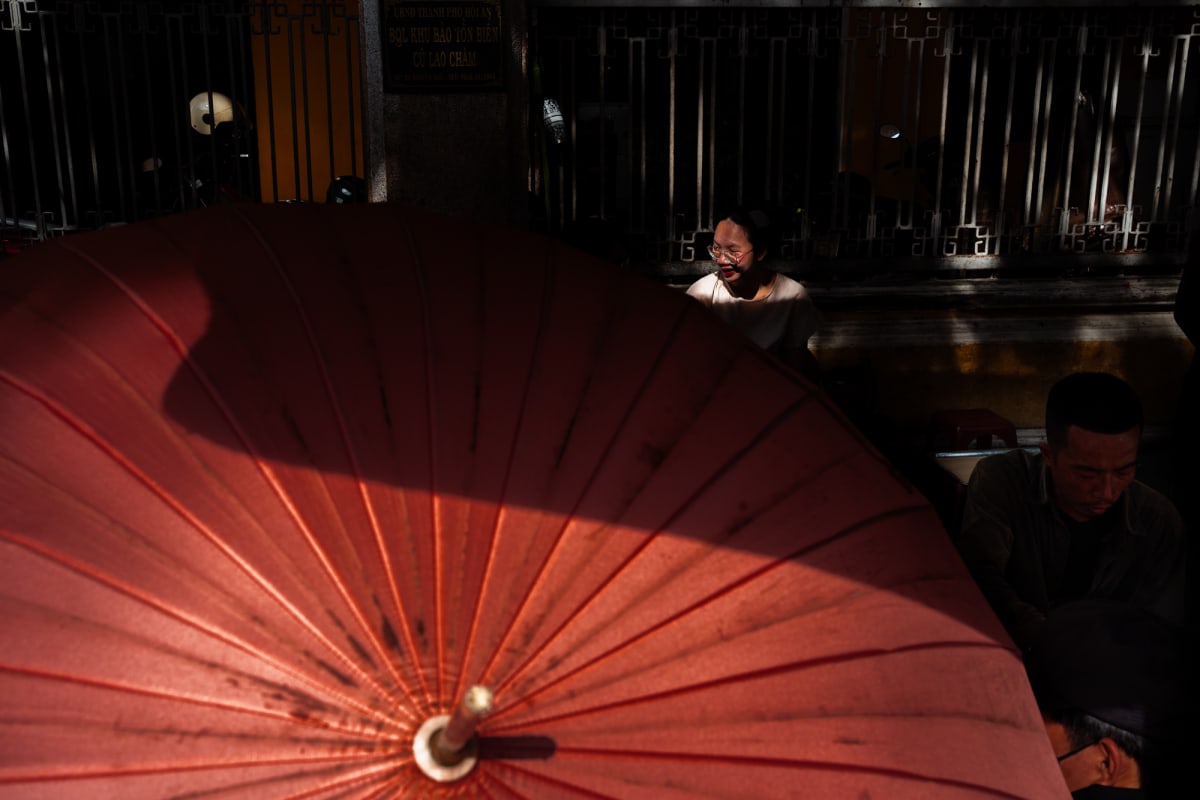
Sunlight rakes across a large red silk parasol as a bespectacled woman smiles and a man works in the shadowed background
He is not done with India. The current project runs six to eight thousand kilometres across it by local transport and hitchhiking, the same practice he began on foot in 2023 at a rather more punishing pace. He is at @iamvagaboots.
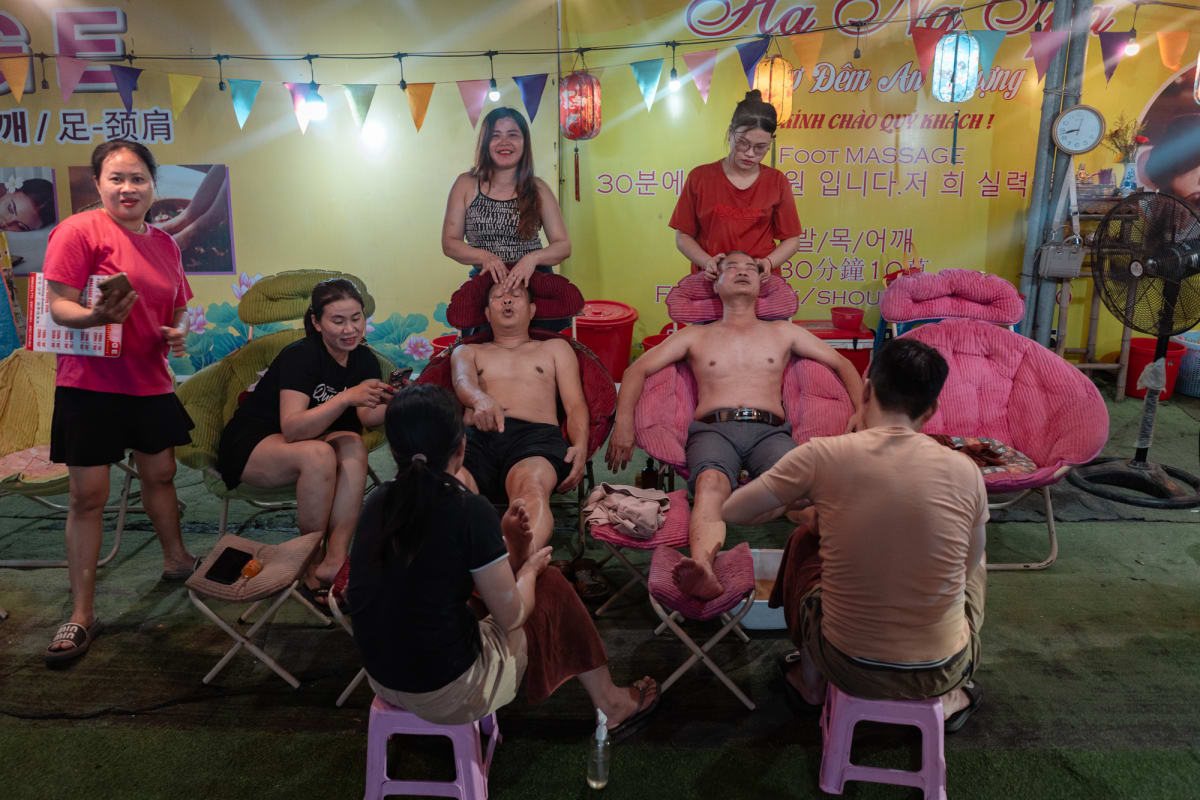
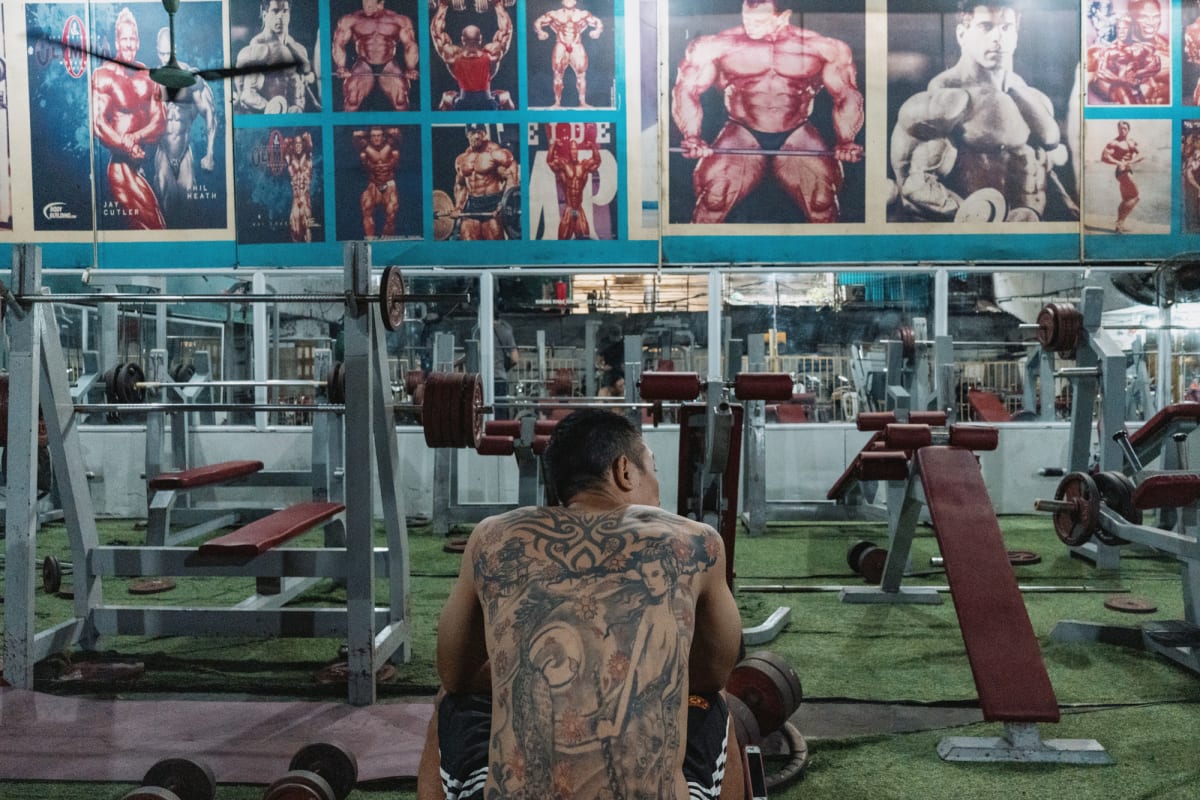
Two shirtless men get head and foot massages in reclining chairs at a bright yellow-lit night-market stall strung with pennant flagsA man with an elaborate full-back tattoo sits shirtless facing walls of bodybuilder posters in a worn green-turf weight gym
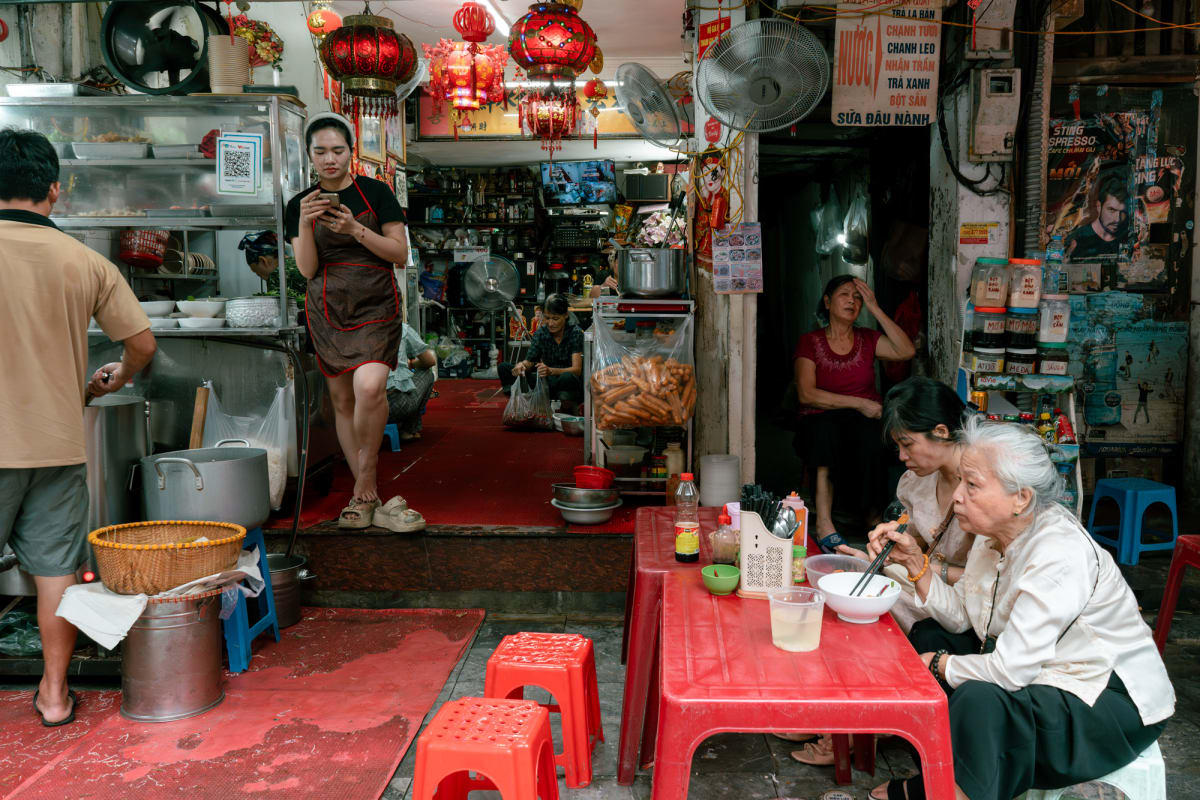
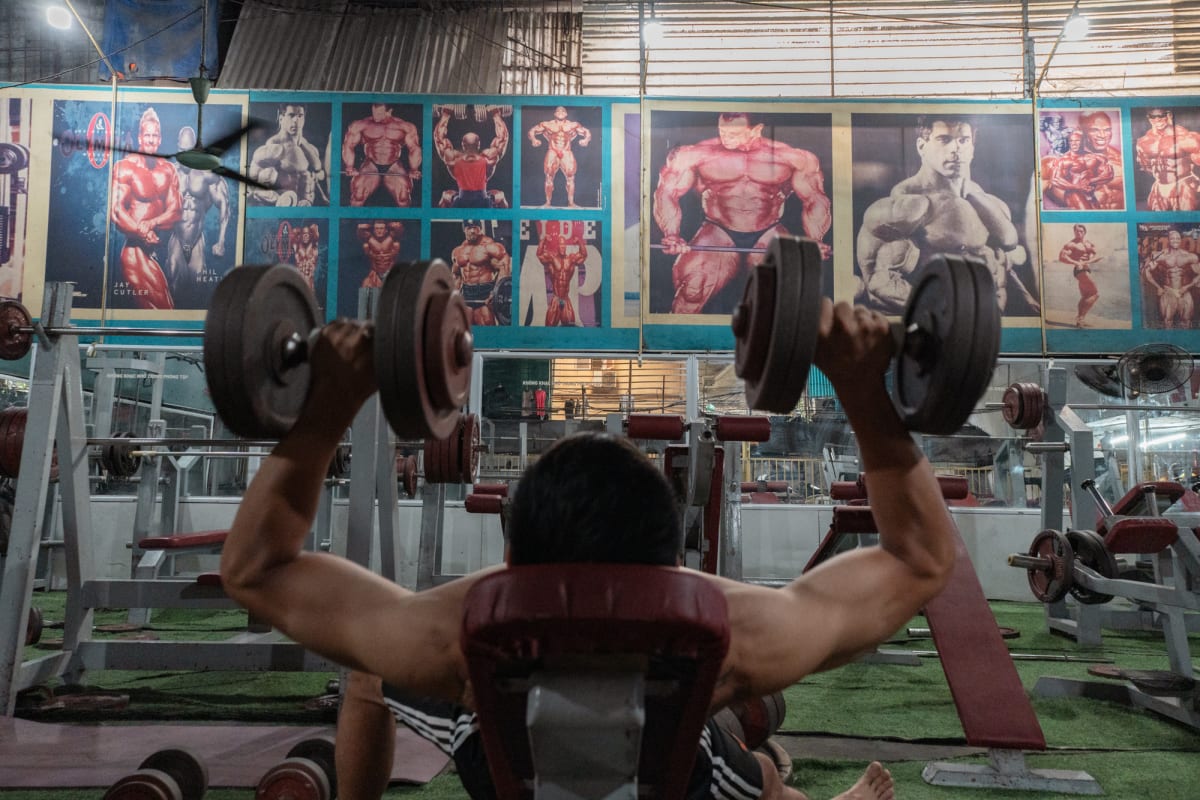
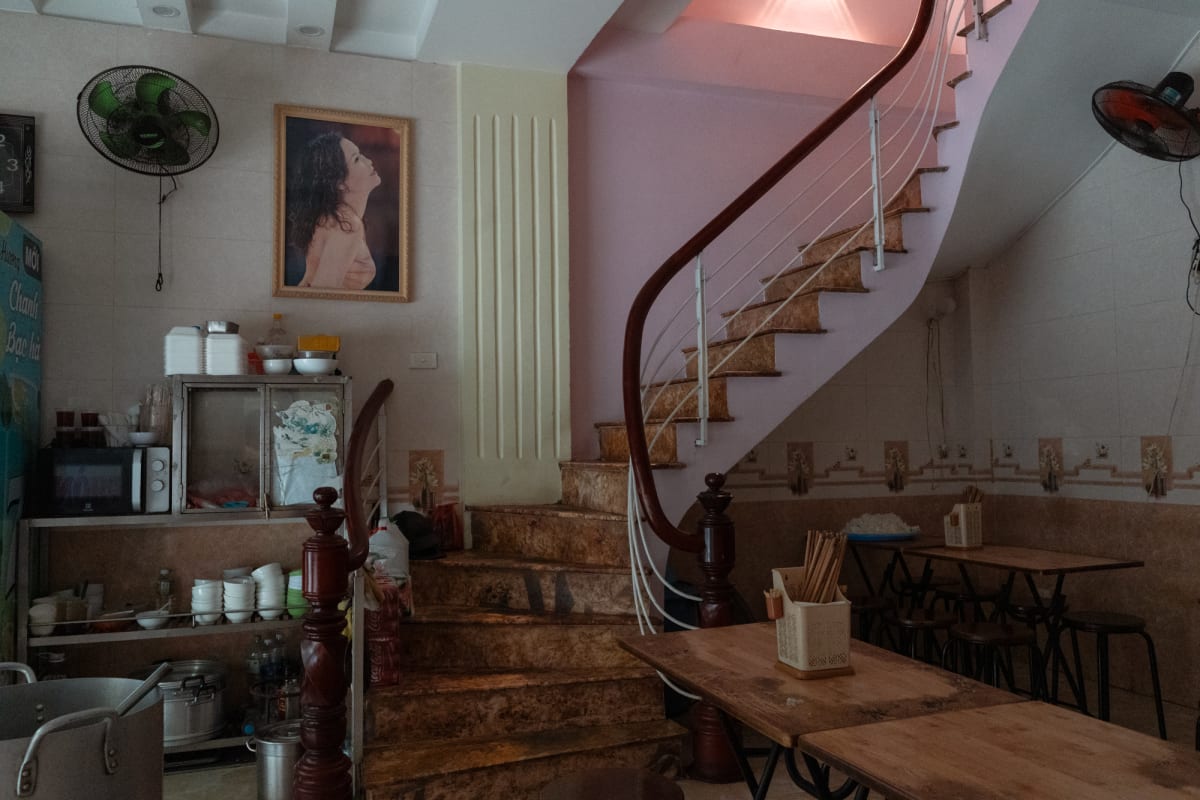
A shirtless man presses two loaded dumbbells overhead on a bench below faded Mr. Olympia bodybuilder posters in a tin-roofed gymA phone-scrolling woman in a brown apron crosses a cramped Hanoi street-food kitchen as two elderly women eat at a red tableAn empty tiled pho shop with a marble spiral staircase, wall fans, stacked bowls, and a framed portrait of a woman
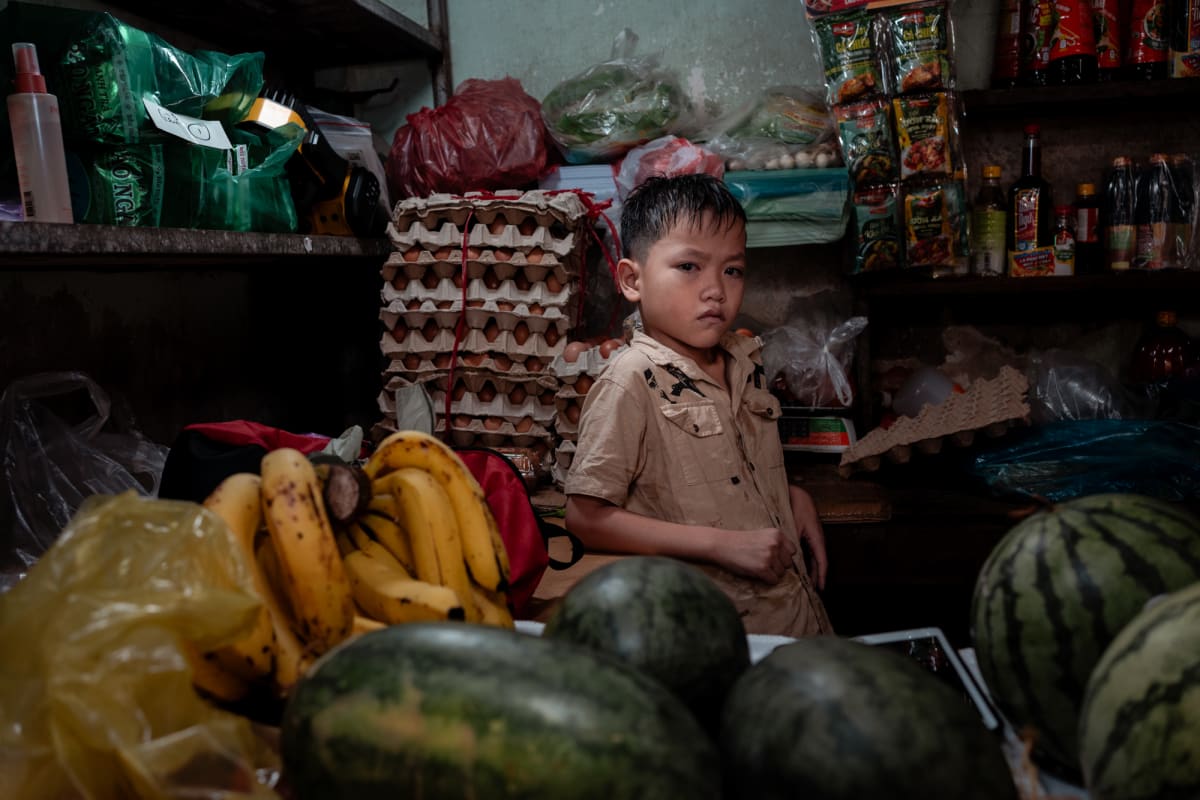
A solemn boy in a beige shirt stands amid stacked egg trays, ripe bananas, and striped watermelons in a dim grocery stall
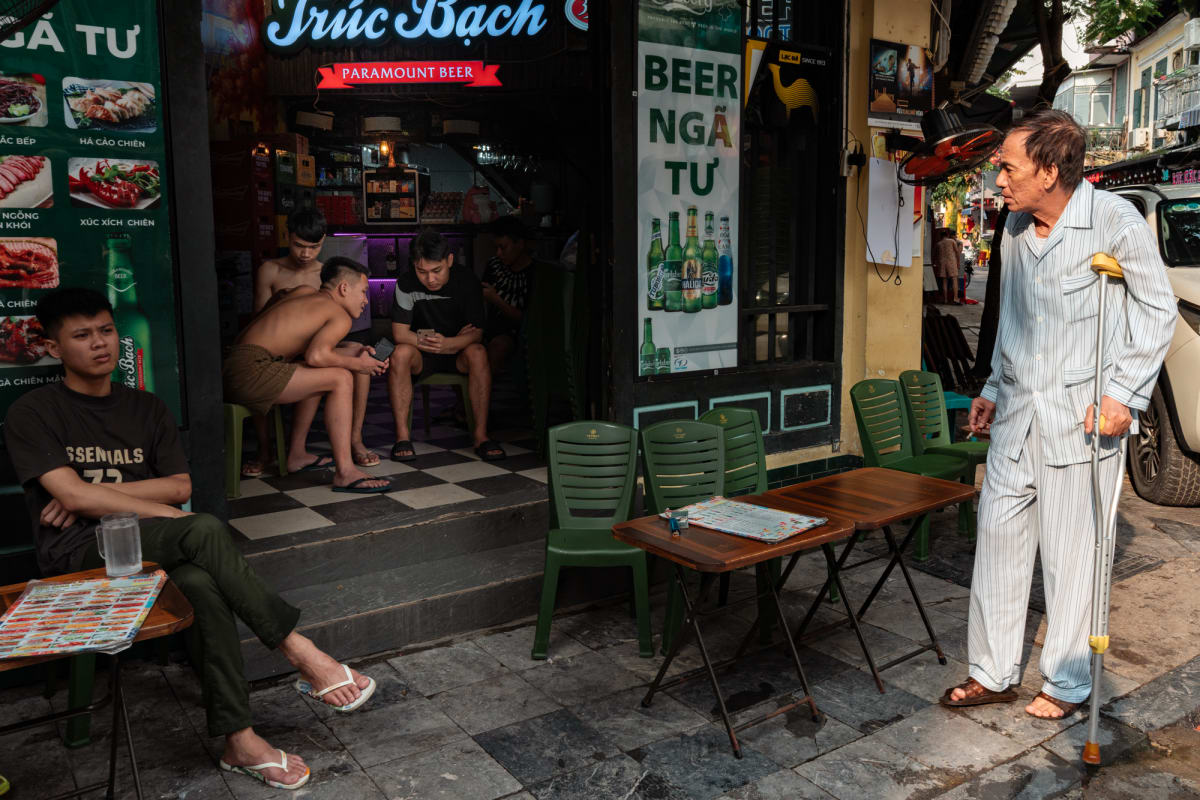
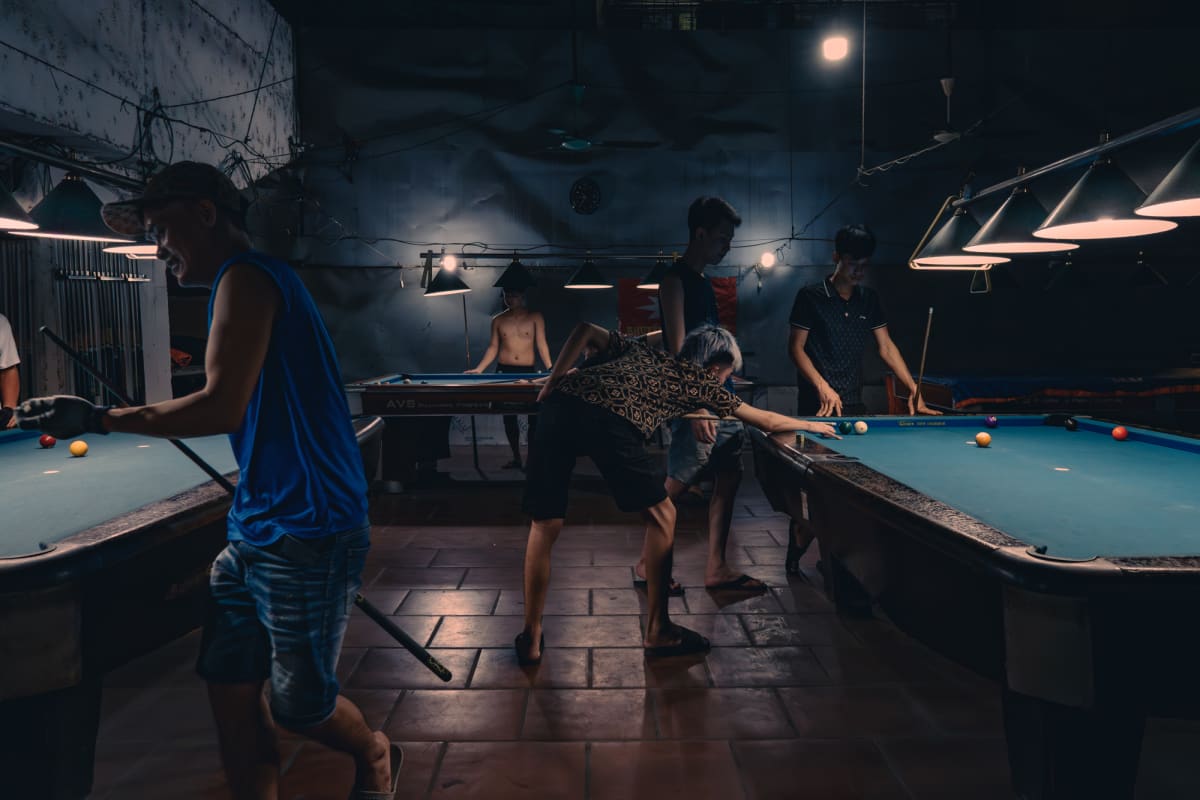
An older man in striped pajamas on a crutch smokes beside a Truc Bach beer bar where shirtless young men sit on green stoolsYoung men in a dim pool hall lean over glowing blue-felt billiard tables under hanging lamps, one in bright blue walking off
Get the next issue in your inboxOne photographer an issue · No spam
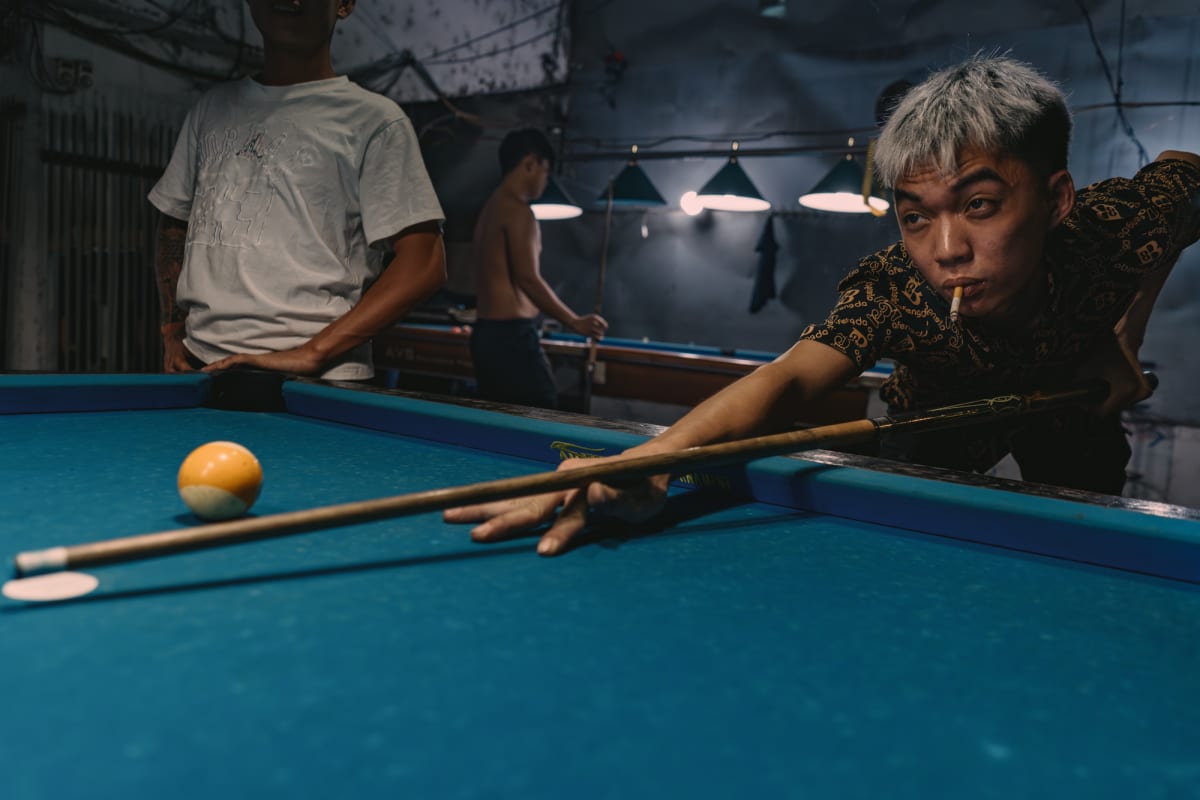
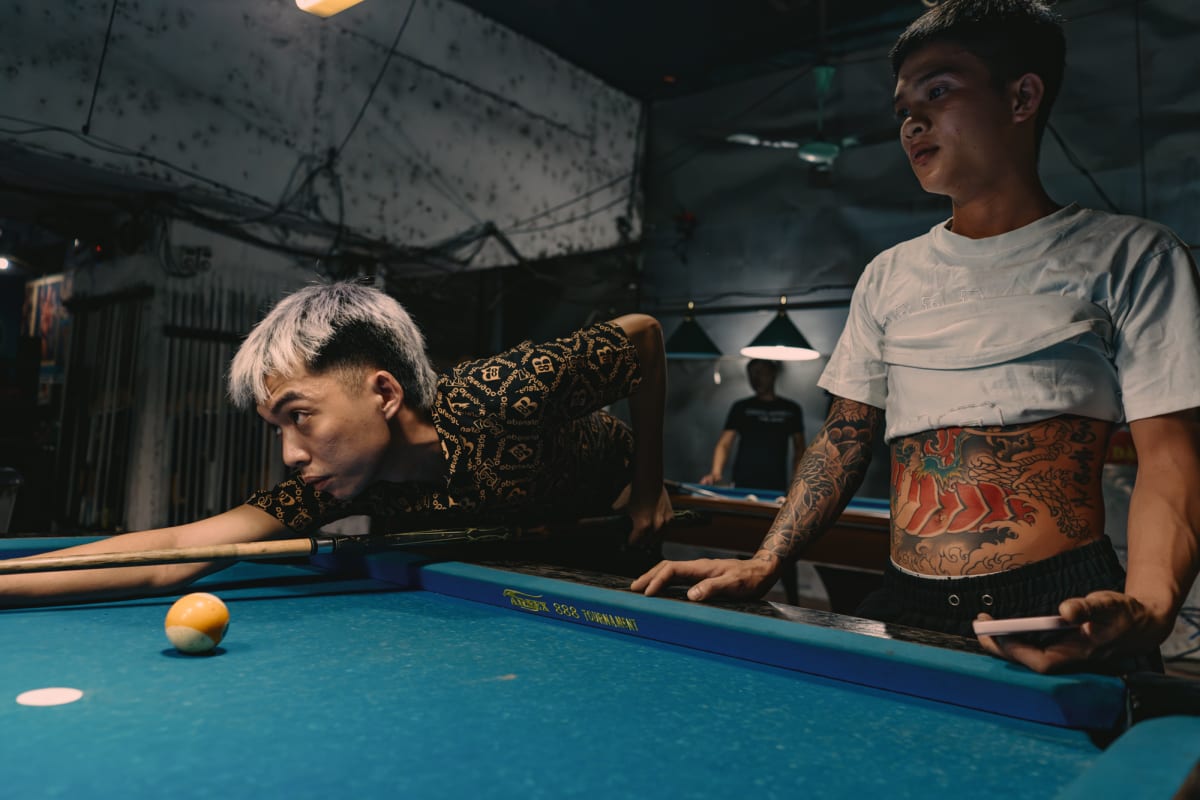
A silver-haired man in a gold-patterned shirt lines up a shot on blue felt as a capped man in a Sports jersey watchesA grey-haired man with a cigarette in his lips stretches across a blue table to strike a yellow ball in a dim pool hallA silver-haired player sights low along his cue at a yellow ball while a tattooed man in a cropped white shirt looks on
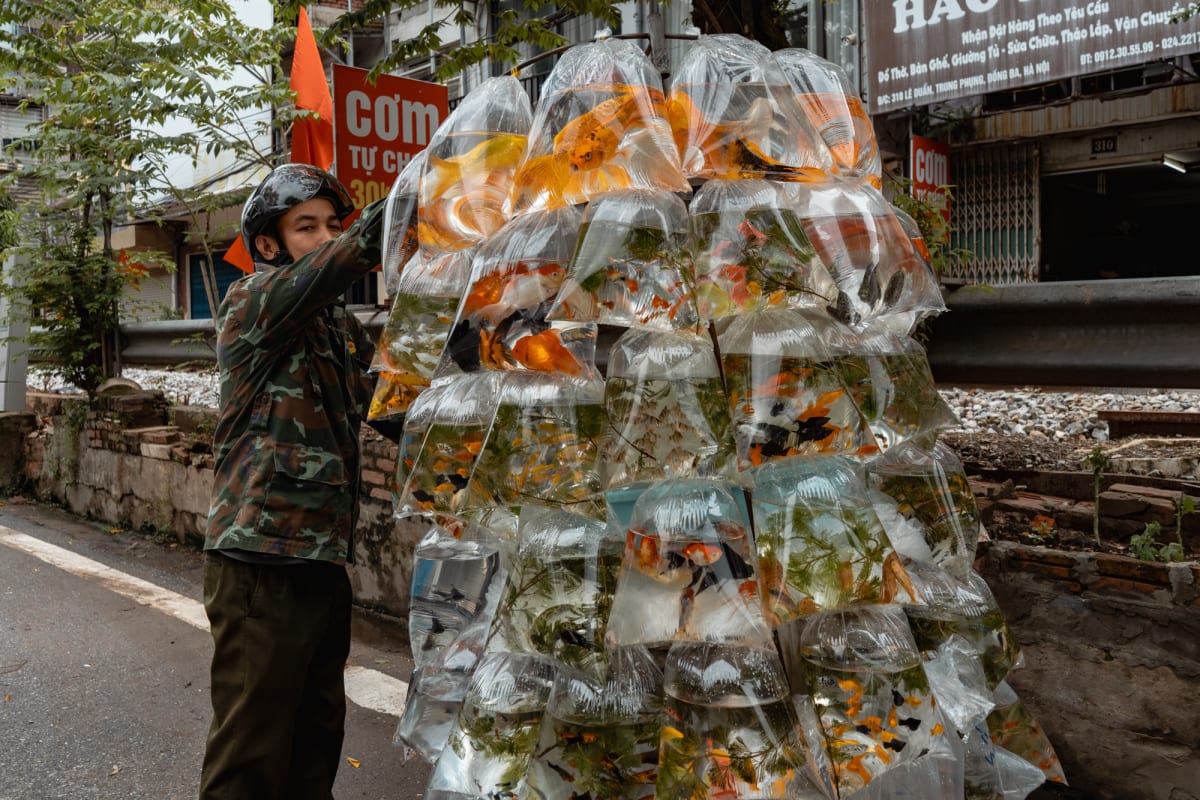
A camouflage-clad man in a helmet steadies a towering pyramid of water-filled plastic bags packed with orange and black goldfish on a Hanoi street
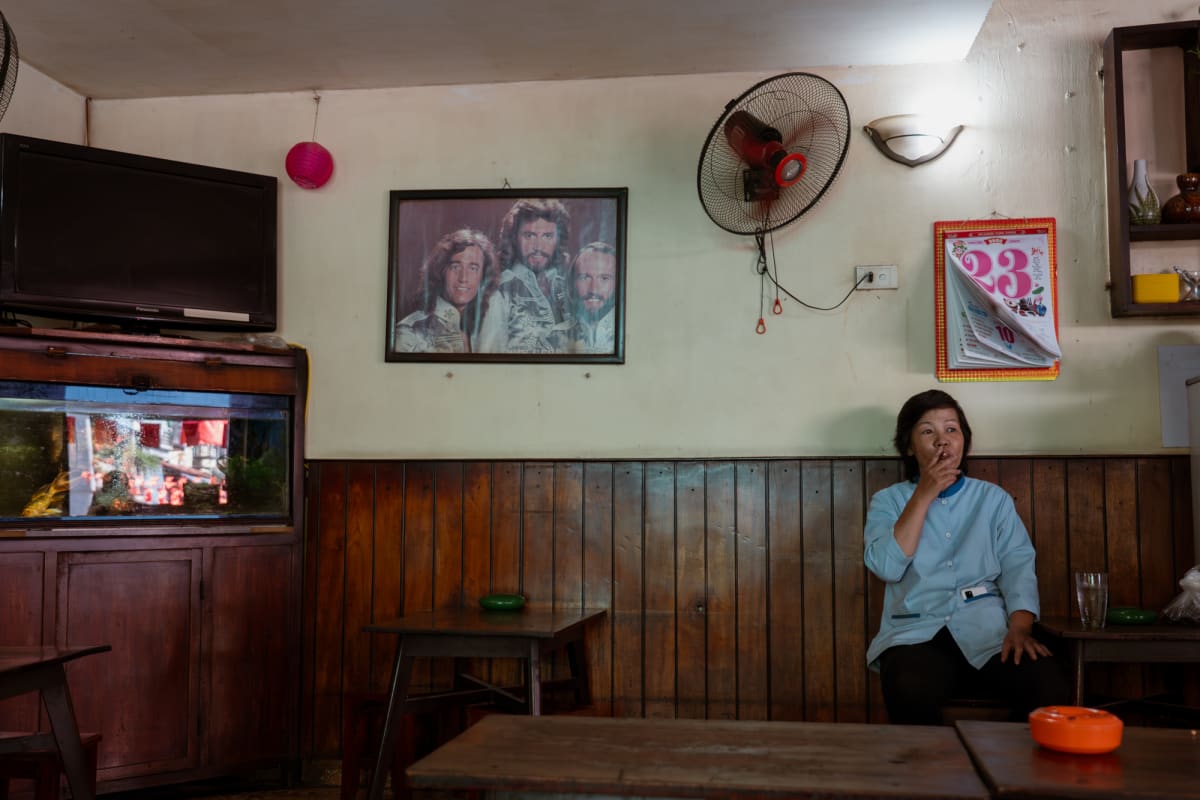
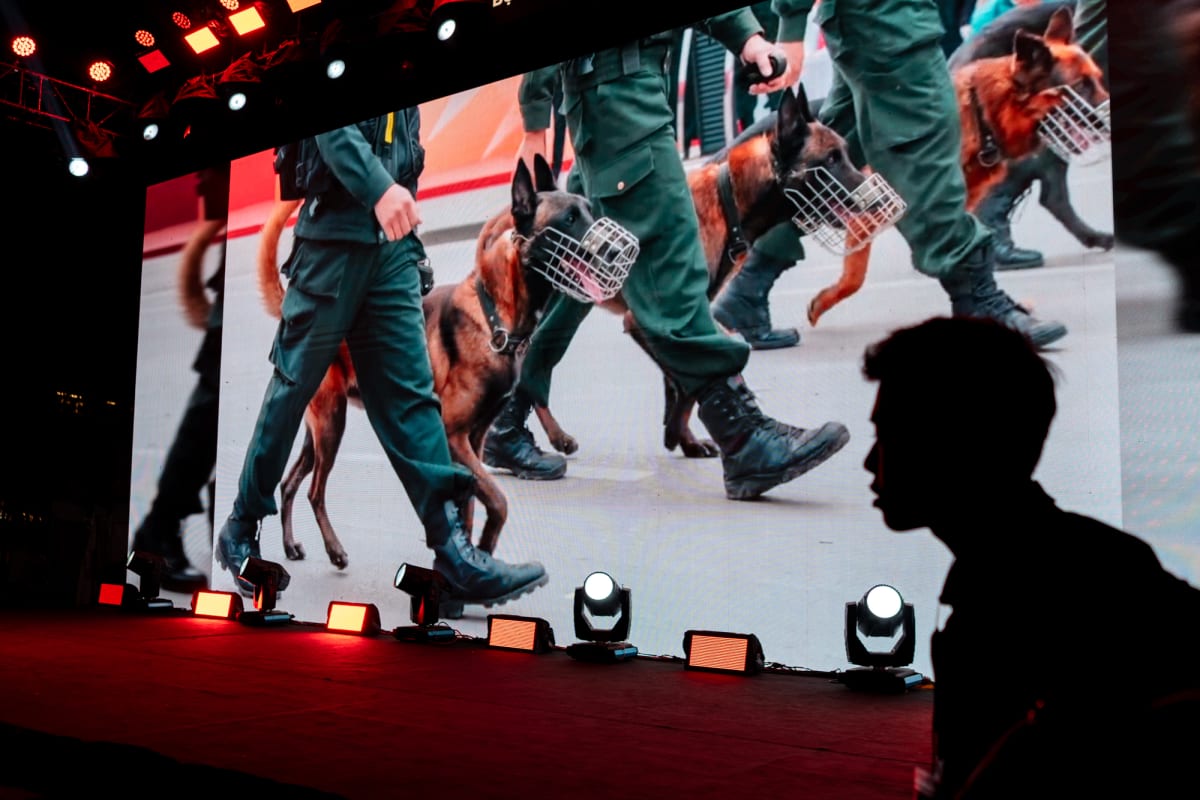
A woman in a pale blue jacket smokes at a wooden-paneled cafe beneath a framed Bee Gees portrait, a wall fan, and a glowing fish tankA silhouetted spectator watches a giant outdoor LED screen showing muzzled police dogs marching beside green-uniformed handlers above red and white stage lights
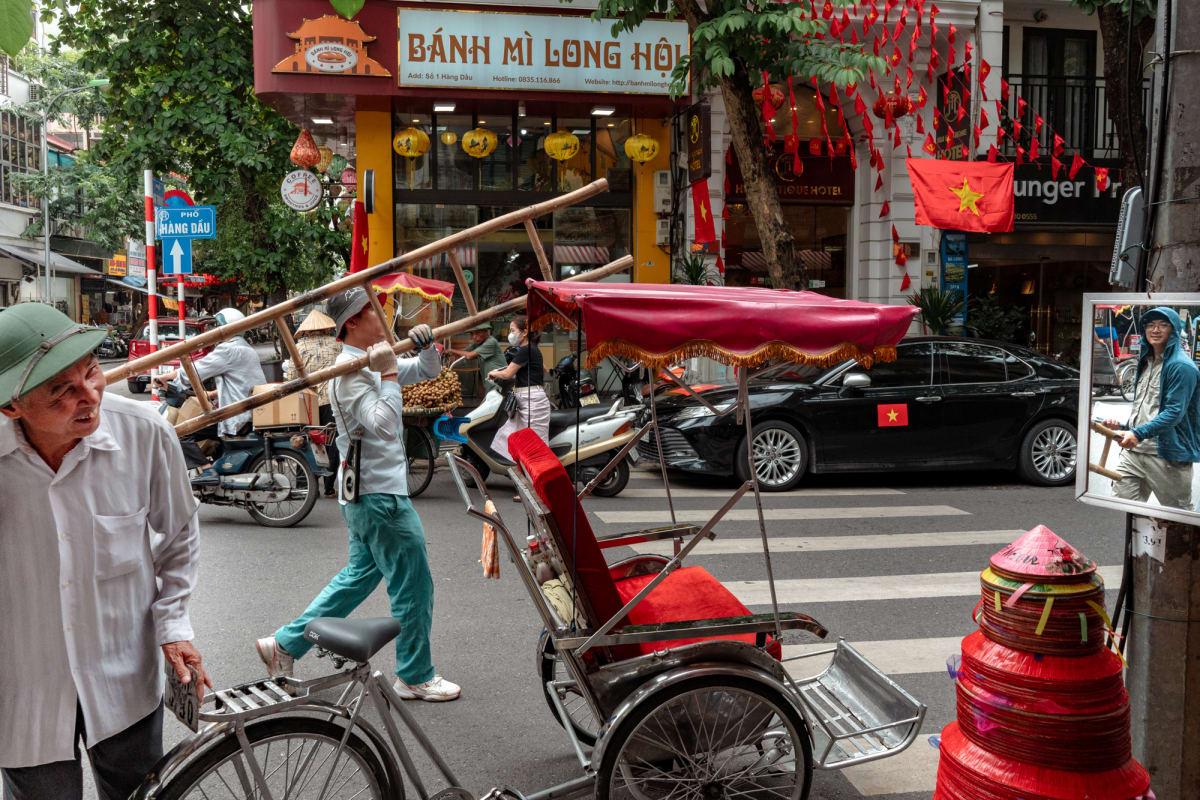
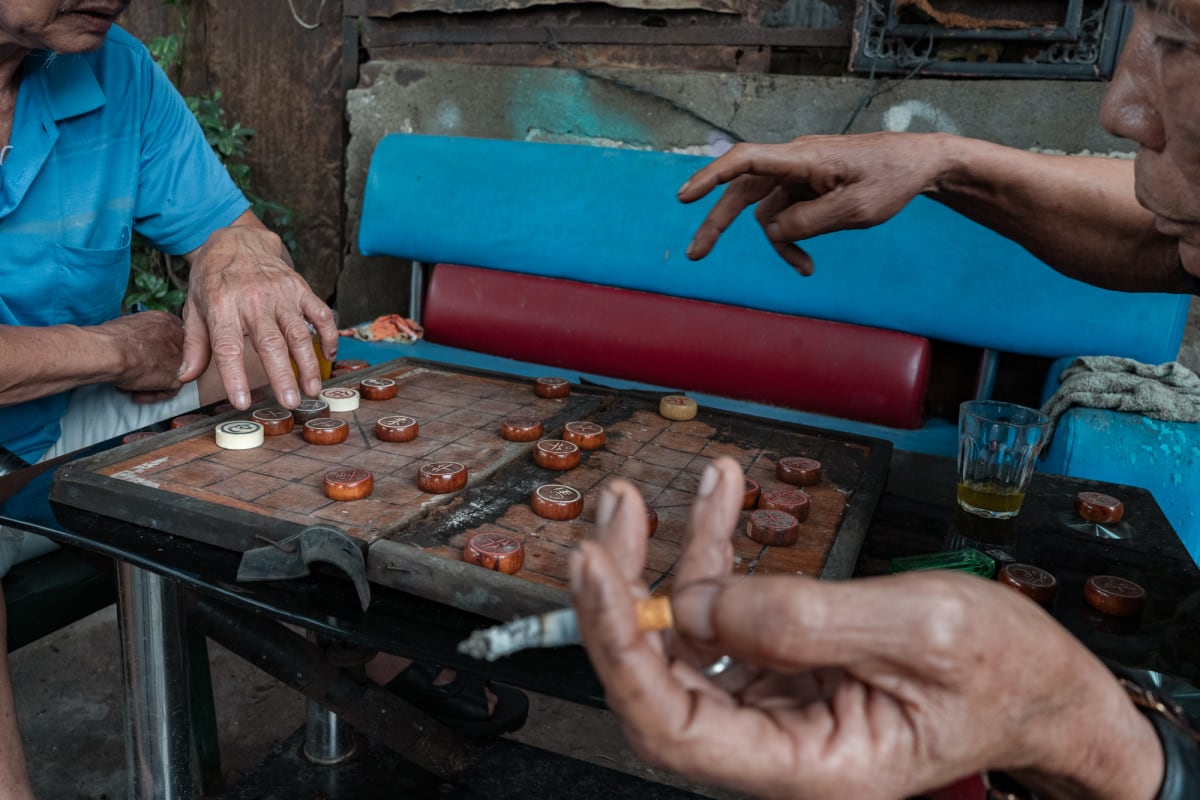
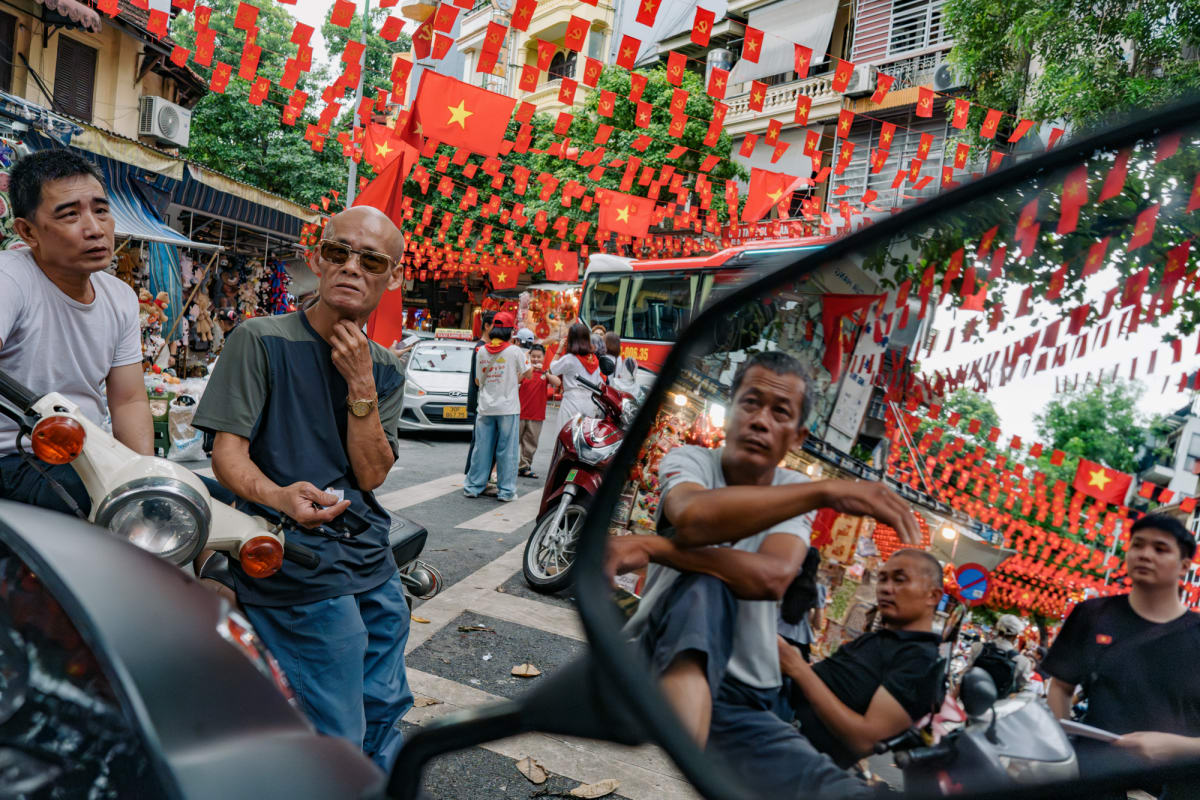
A cyclo driver in a green pith helmet and a porter shouldering bamboo ladders cross a flag-draped Hanoi corner by Banh Mi Long Hoi, with stacked conical hatsWeathered hands of two elderly men reach over a worn wooden Chinese chess board, one holding a lit cigarette, beside a glass of tea outdoorsA bespectacled man pauses beneath dense red Vietnamese flag bunting in a busy market street, his companion reflected in a scooter's side mirror
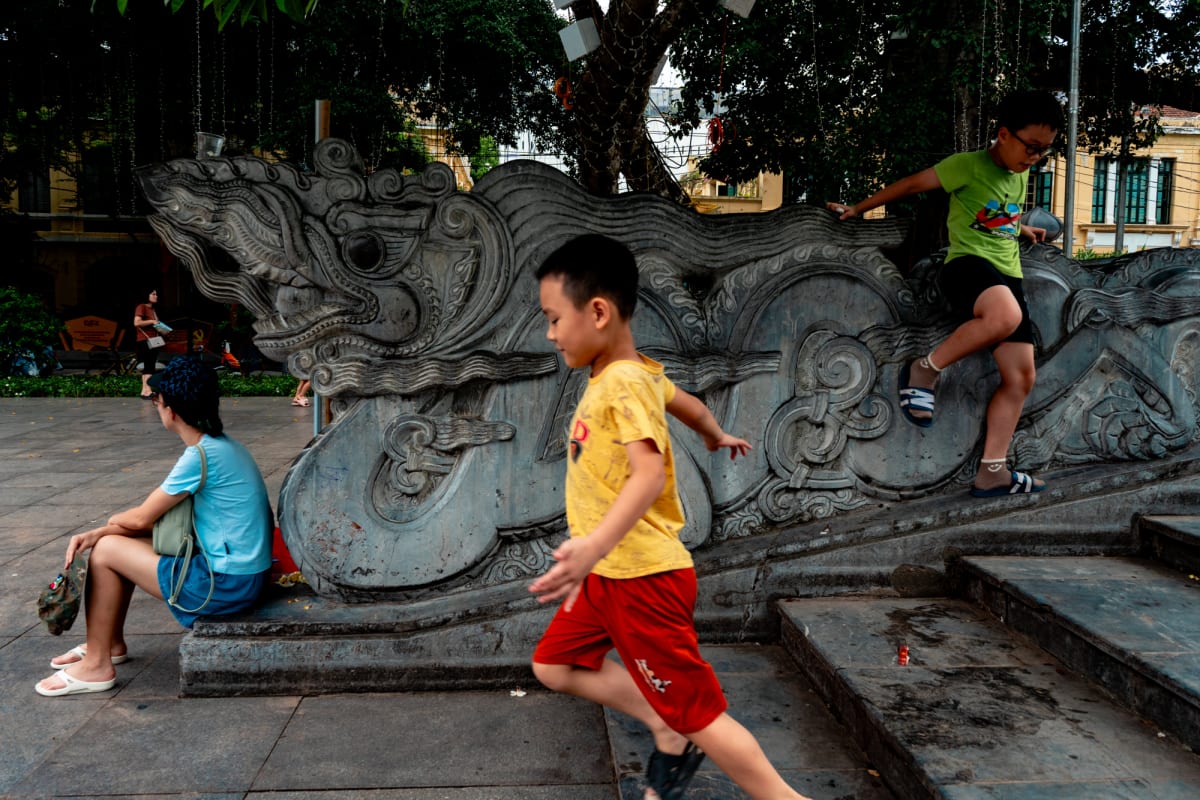
A boy in a yellow shirt and red shorts runs past a carved stone dragon balustrade as another child in green climbs it and a woman rests nearby
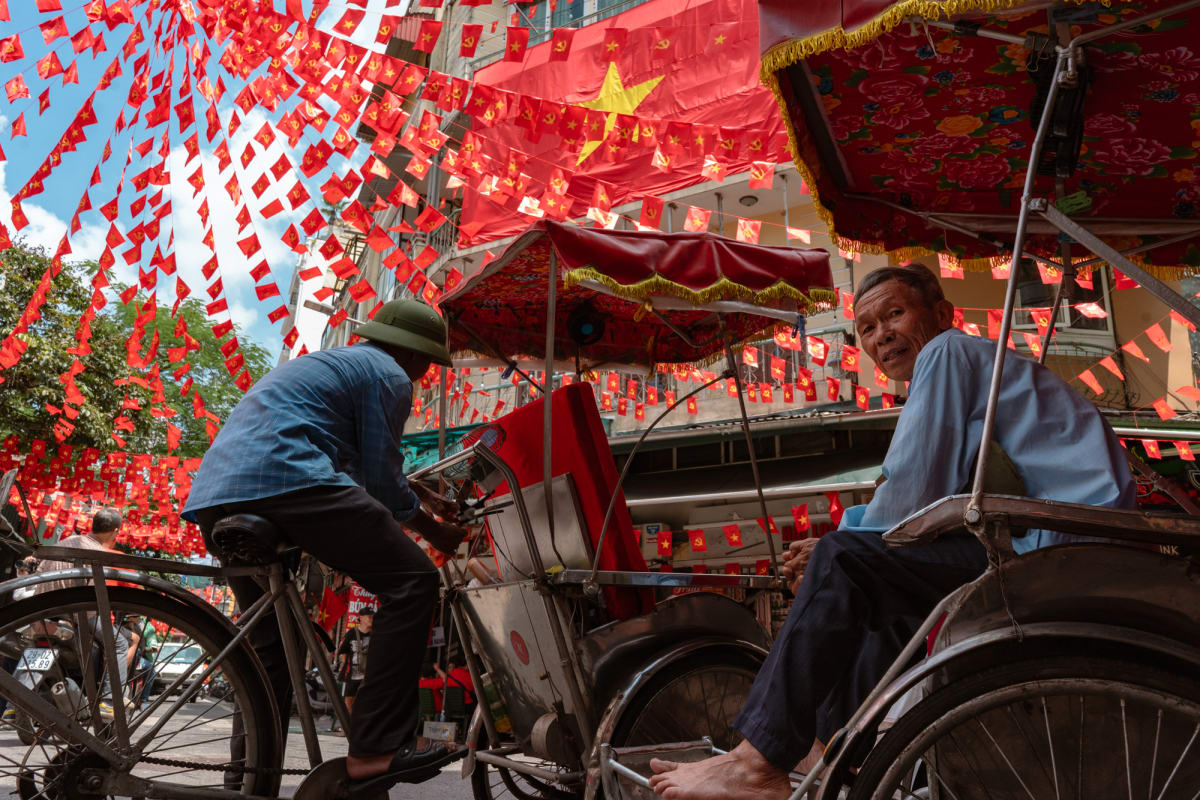
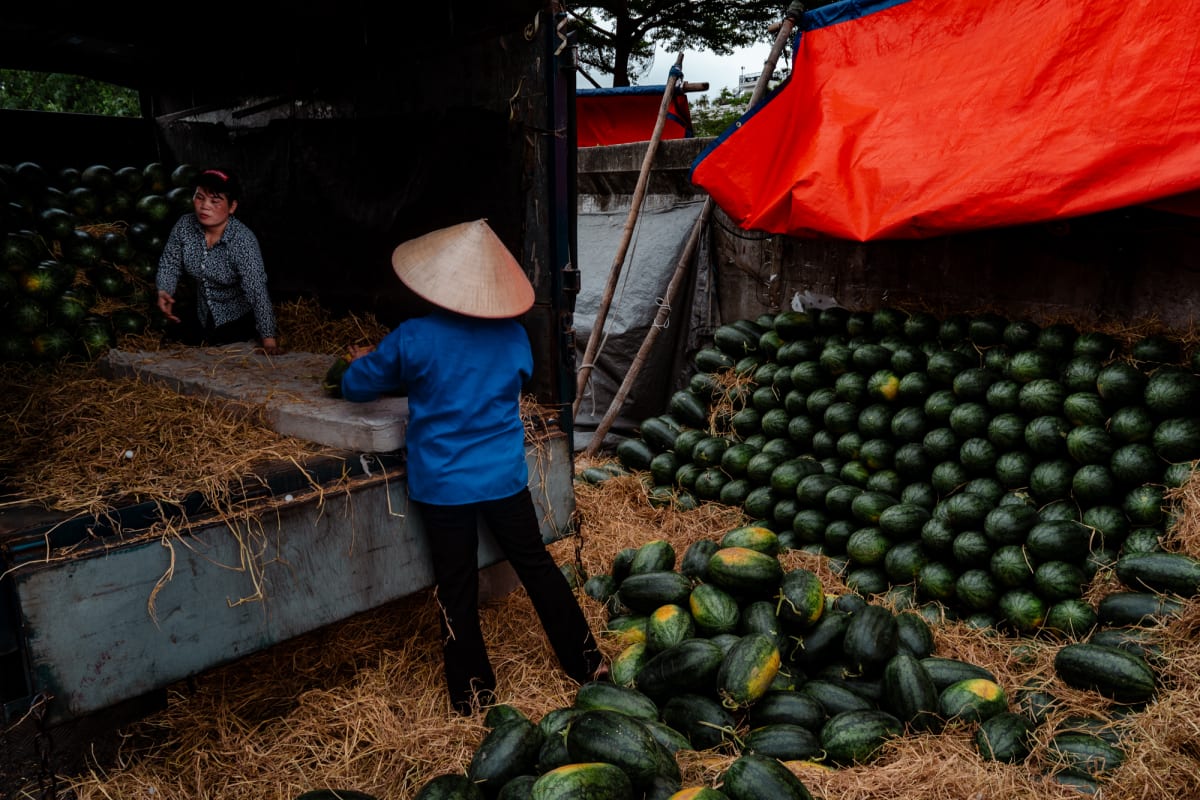
Two older men rest on a cyclo beneath a dazzling canopy of red Vietnamese and Communist Party flags against blue skyA woman in a conical hat and blue jacket unloads dark green watermelons from a truck onto straw as another vendor works under an orange tarp
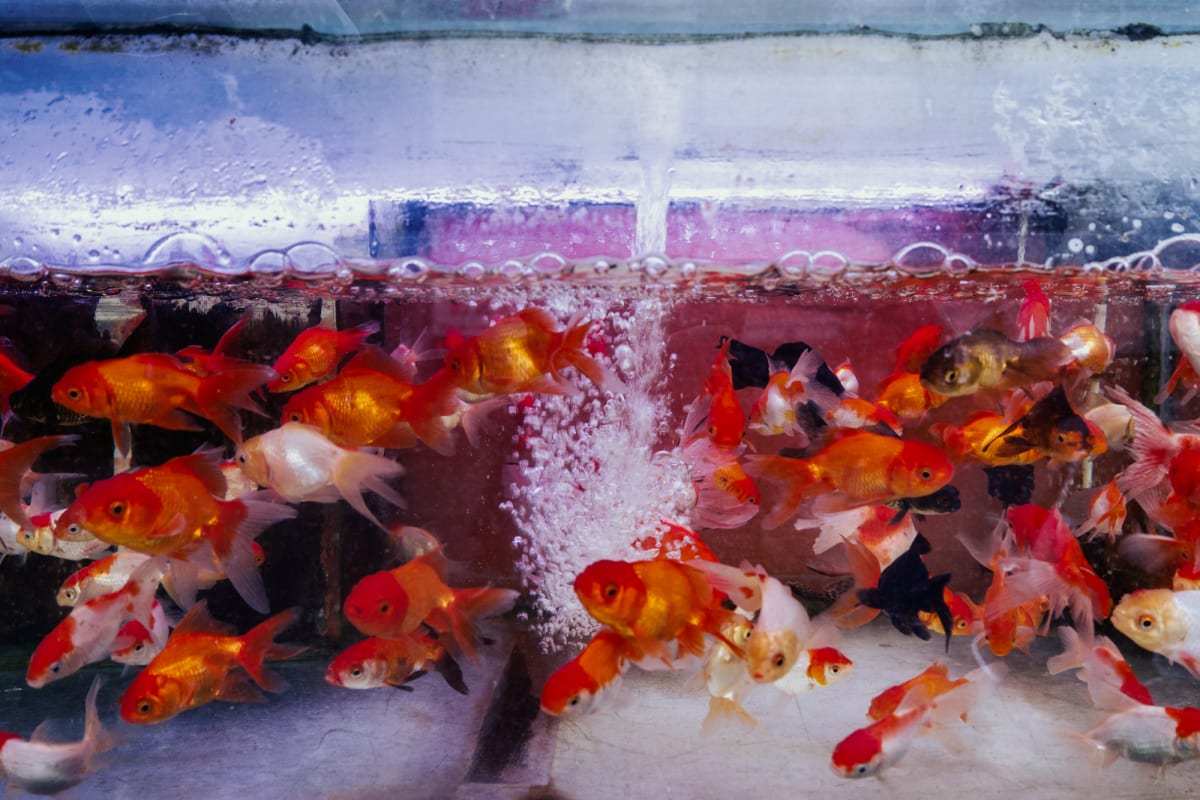
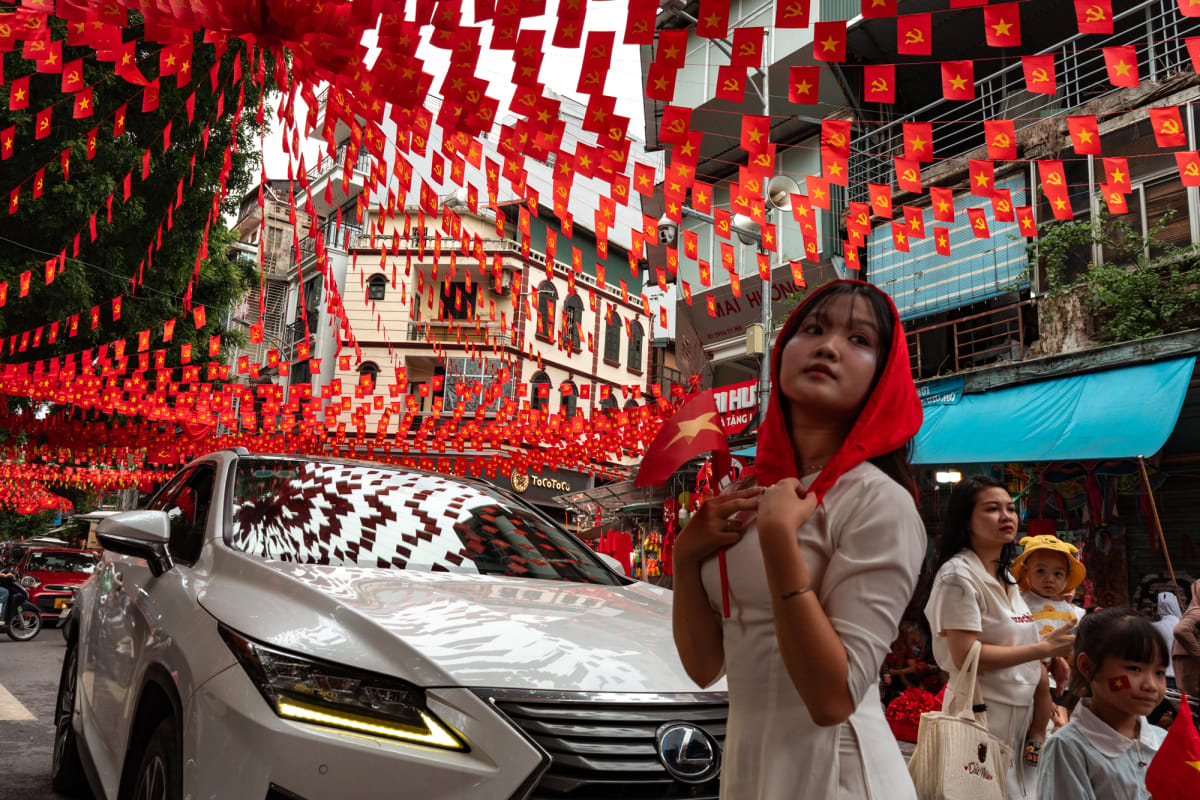
Dense schools of orange, white, and black goldfish crowd a market tank as aerator bubbles stream up through the pink-tinged waterA young woman in a white ao dai holds a small national flag beneath a thick red flag canopy as a silver Lexus and families pass on the festive streetOrnamental koi and fancy goldfish in reds, oranges, and translucent white drift through a dark aquarium, flowing fins trailing
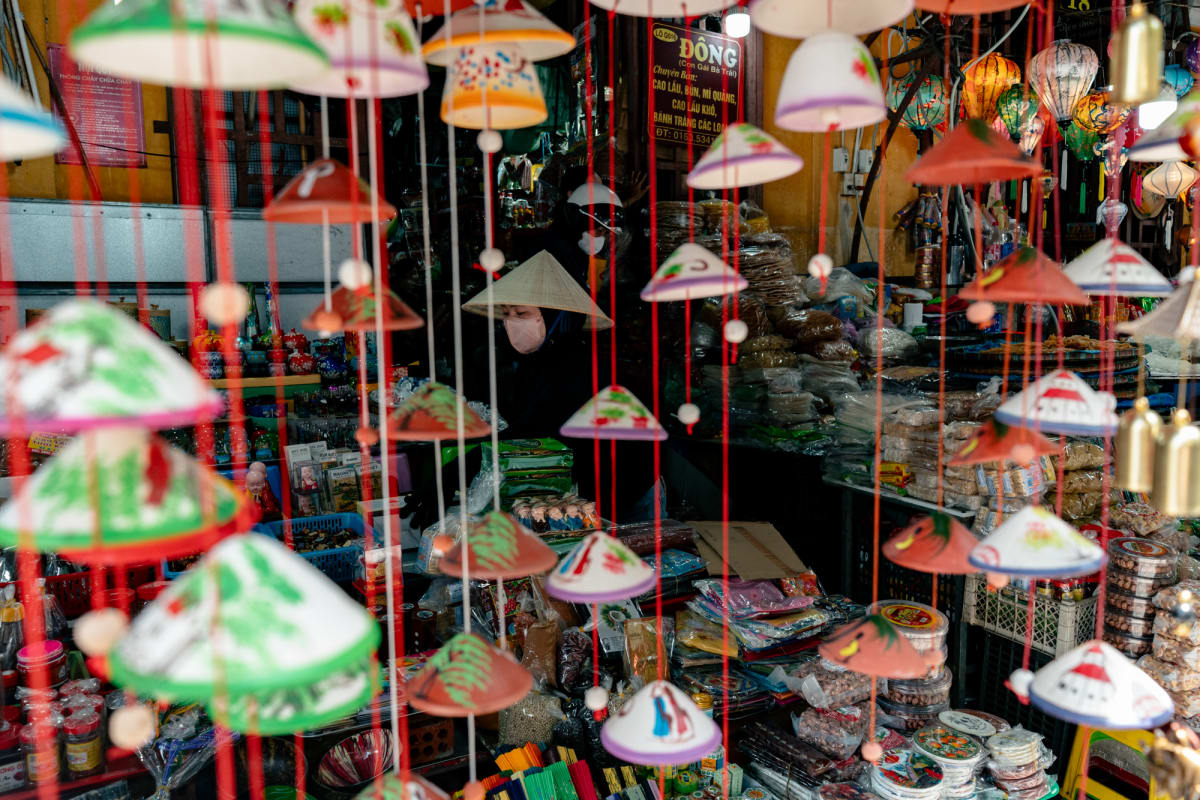
A masked woman in a conical hat sits amid a crowded souvenir stall behind a curtain of dangling miniature painted hats and lanterns
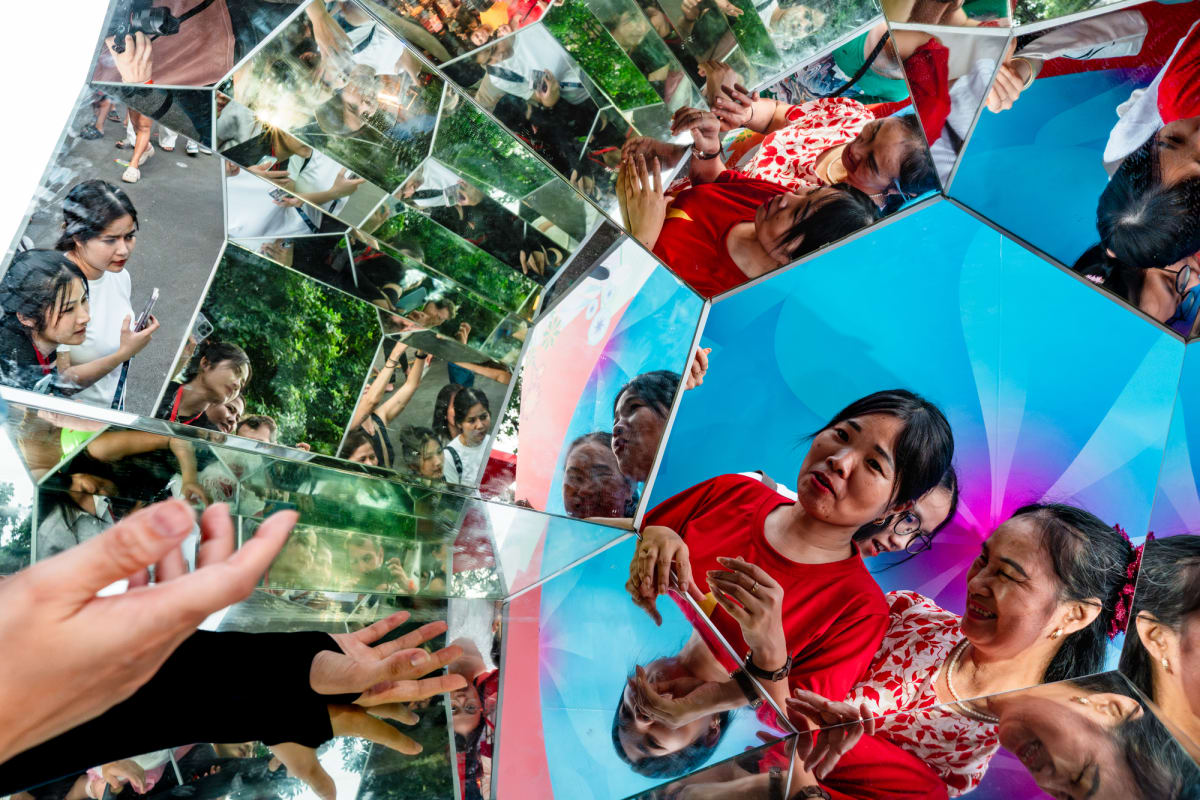
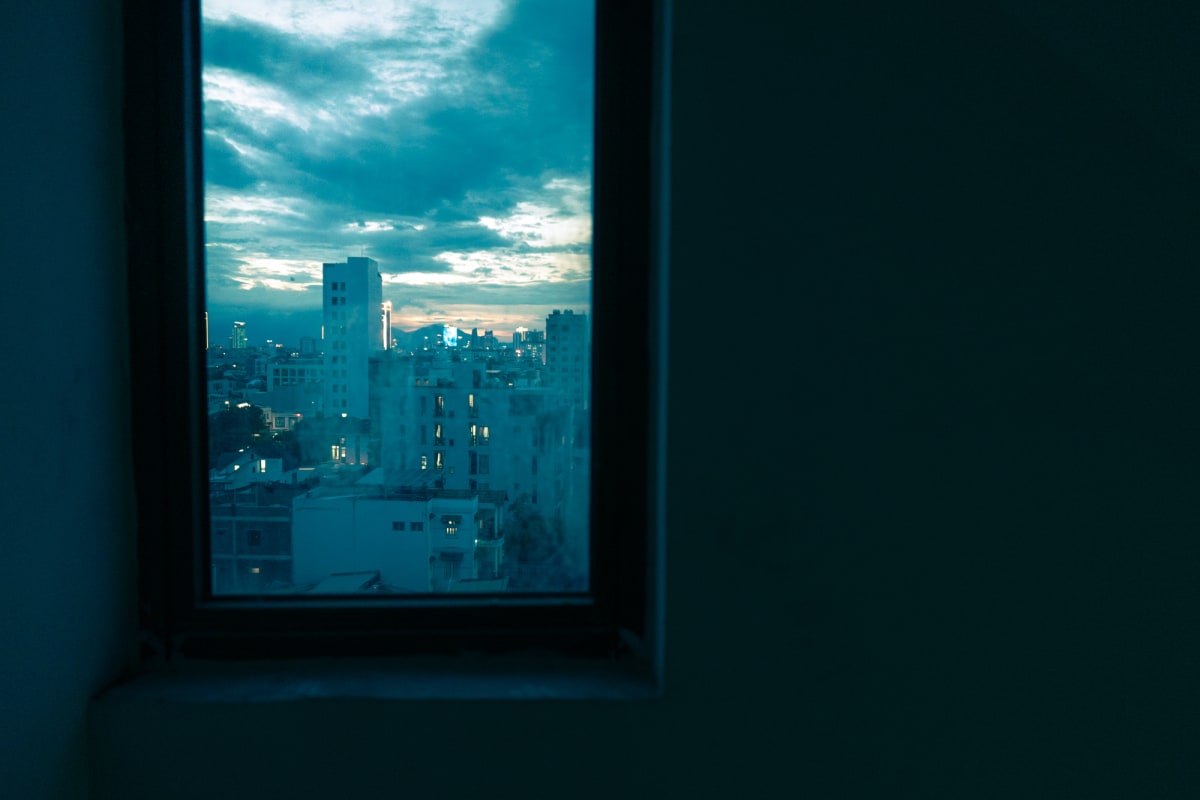
Vietnamese women in red crowd a mirrored kaleidoscope sculpture, their faces and reaching hands fractured into bright geometric reflectionsThrough a dark room's window, a teal dusk sky glows over Hanoi's low rooftops and lit apartment towers
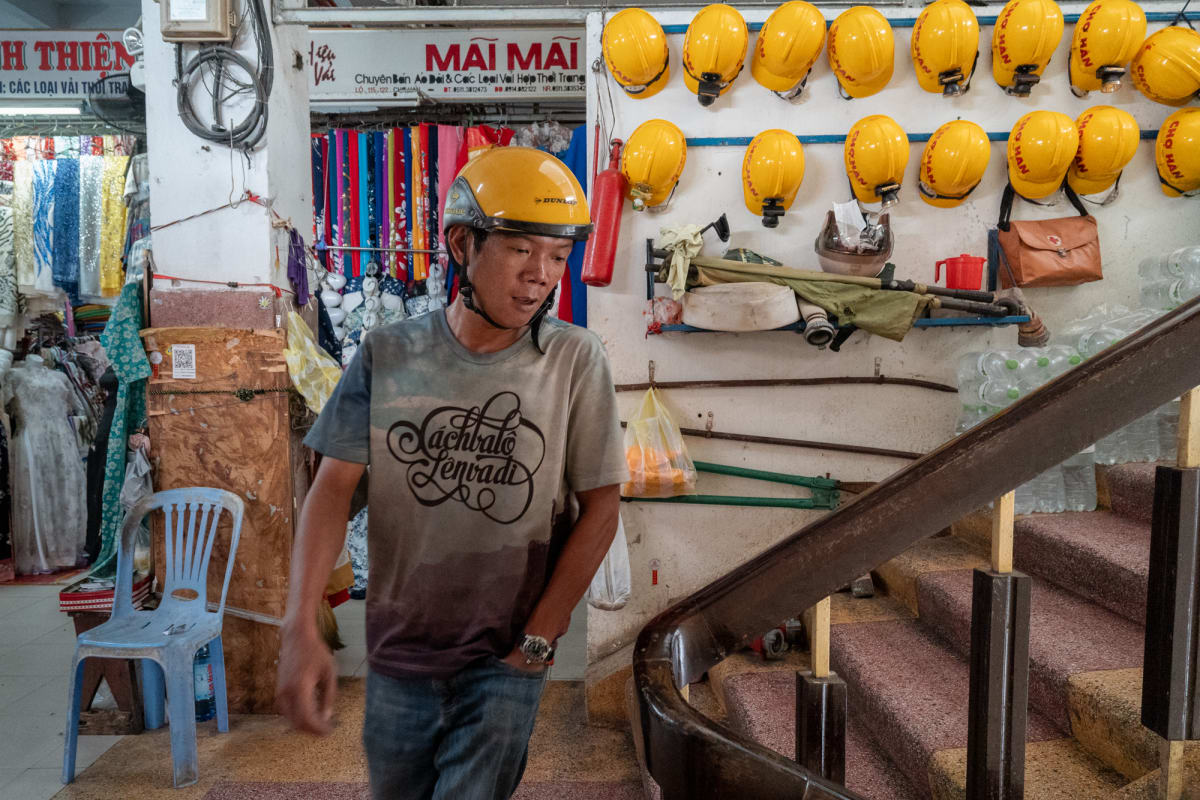
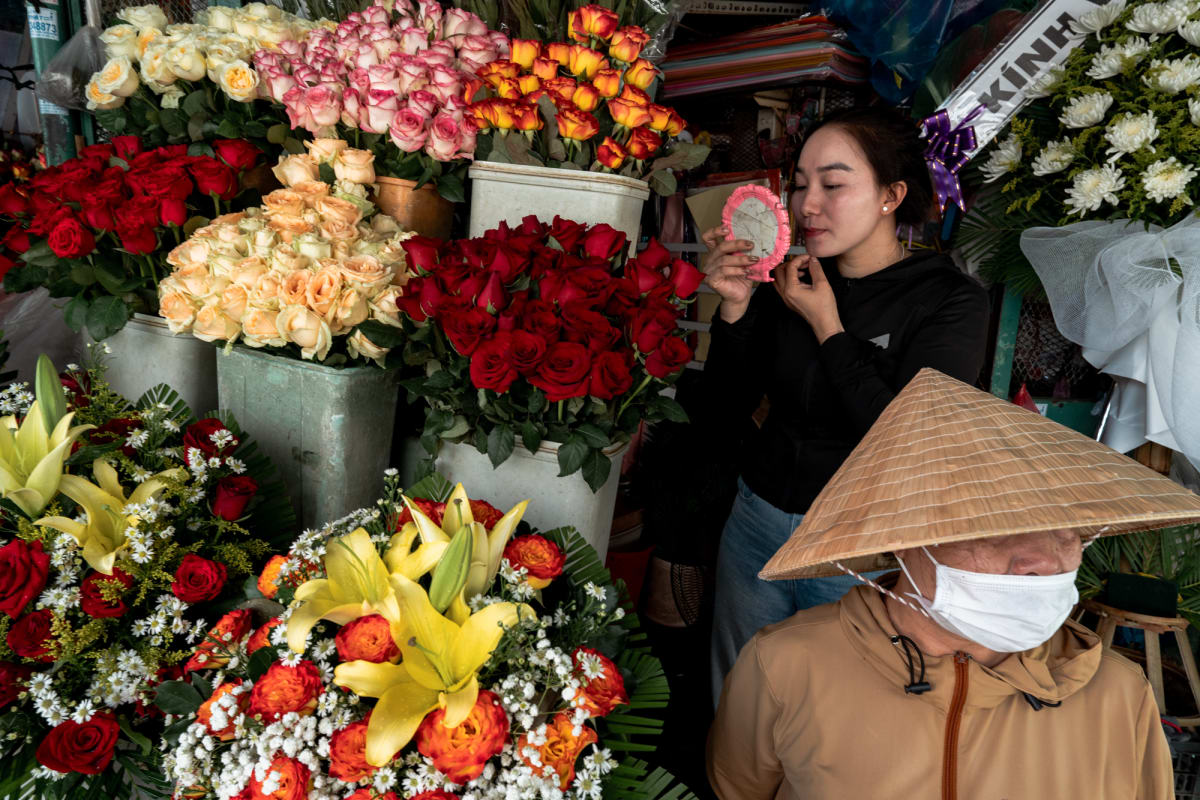
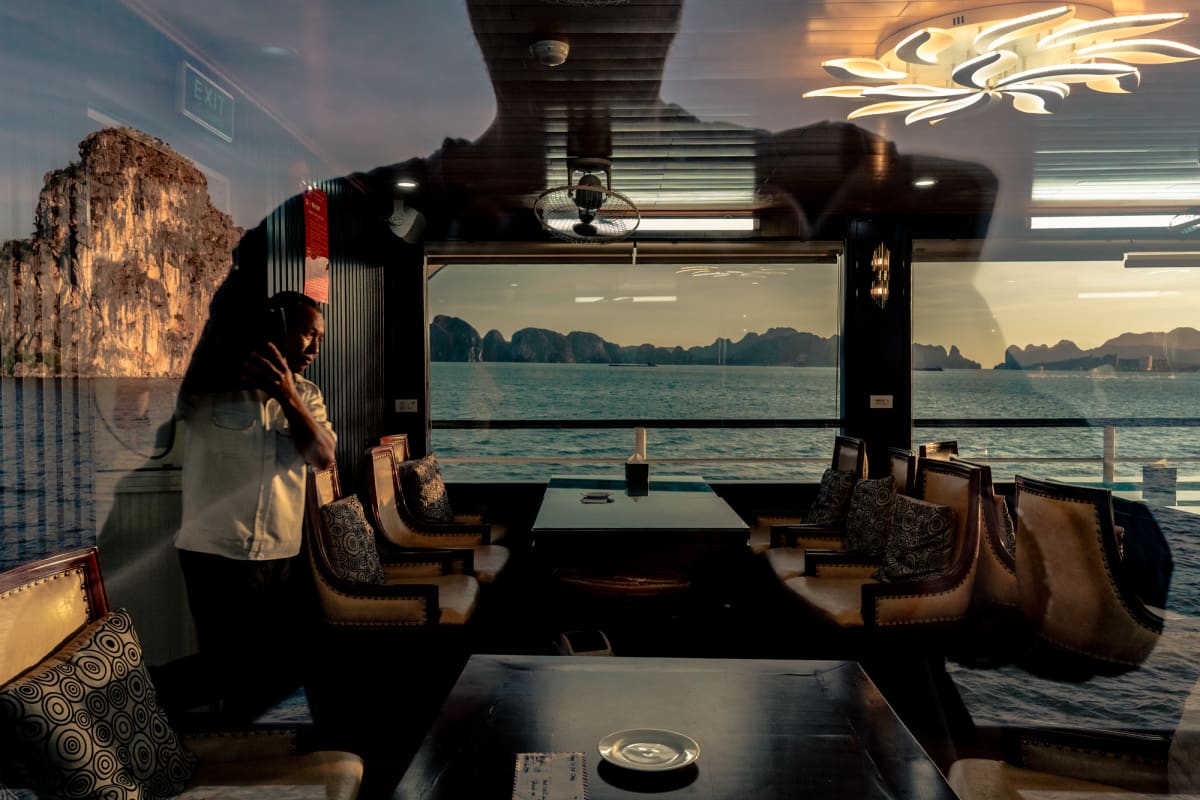
A man in a yellow Dunlop motorbike helmet walks past a fabric shop and a wall of yellow safety helmets beside a stairwellA woman checks a pink hand mirror amid buckets of red, pink, and orange roses and lilies as a masked vendor in a conical hat passesReflections layer a cruise boat's empty leather dining lounge over Ha Long Bay's karst islands, a headphoned crew member at left
Di Vico posts from his ongoing travels across Asia — documentary work made at close range, with the patience of someone who stays long enough to be forgotten.